

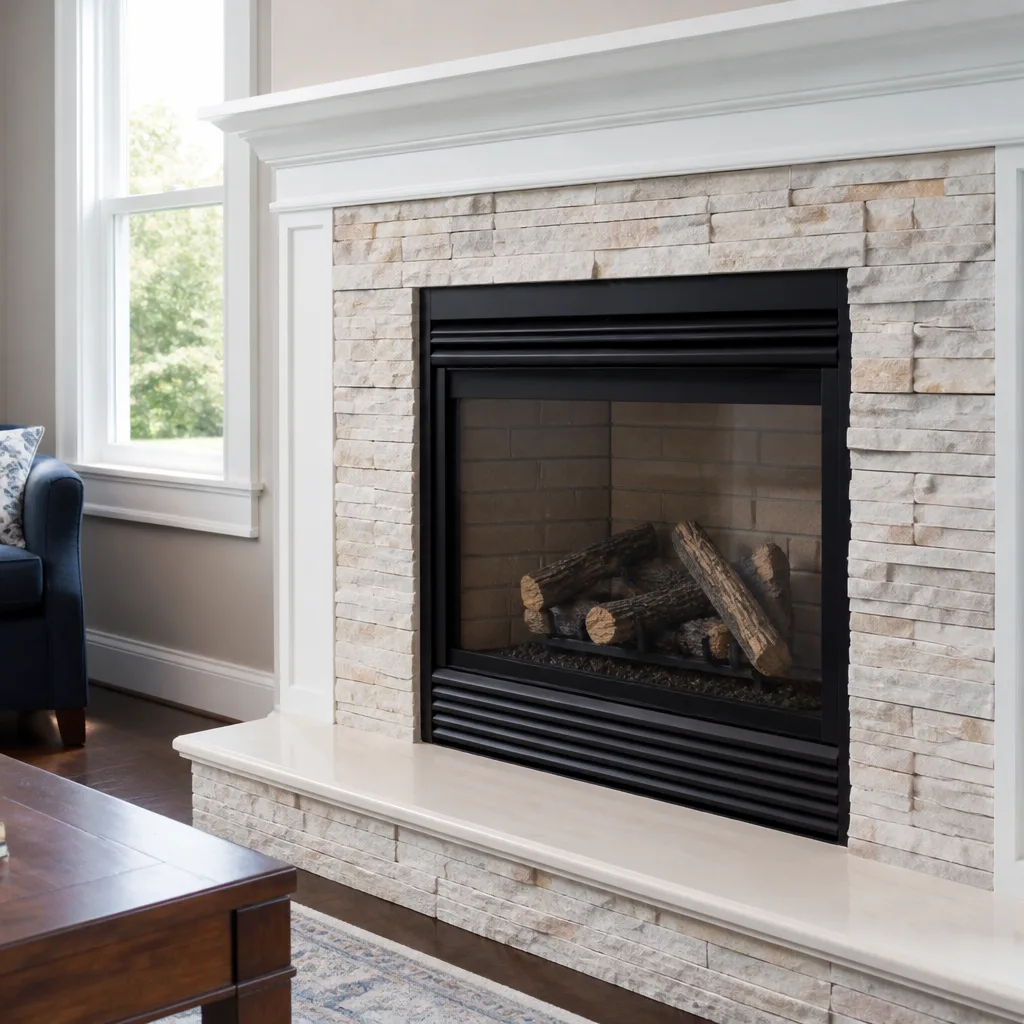
 Gas fireplace service
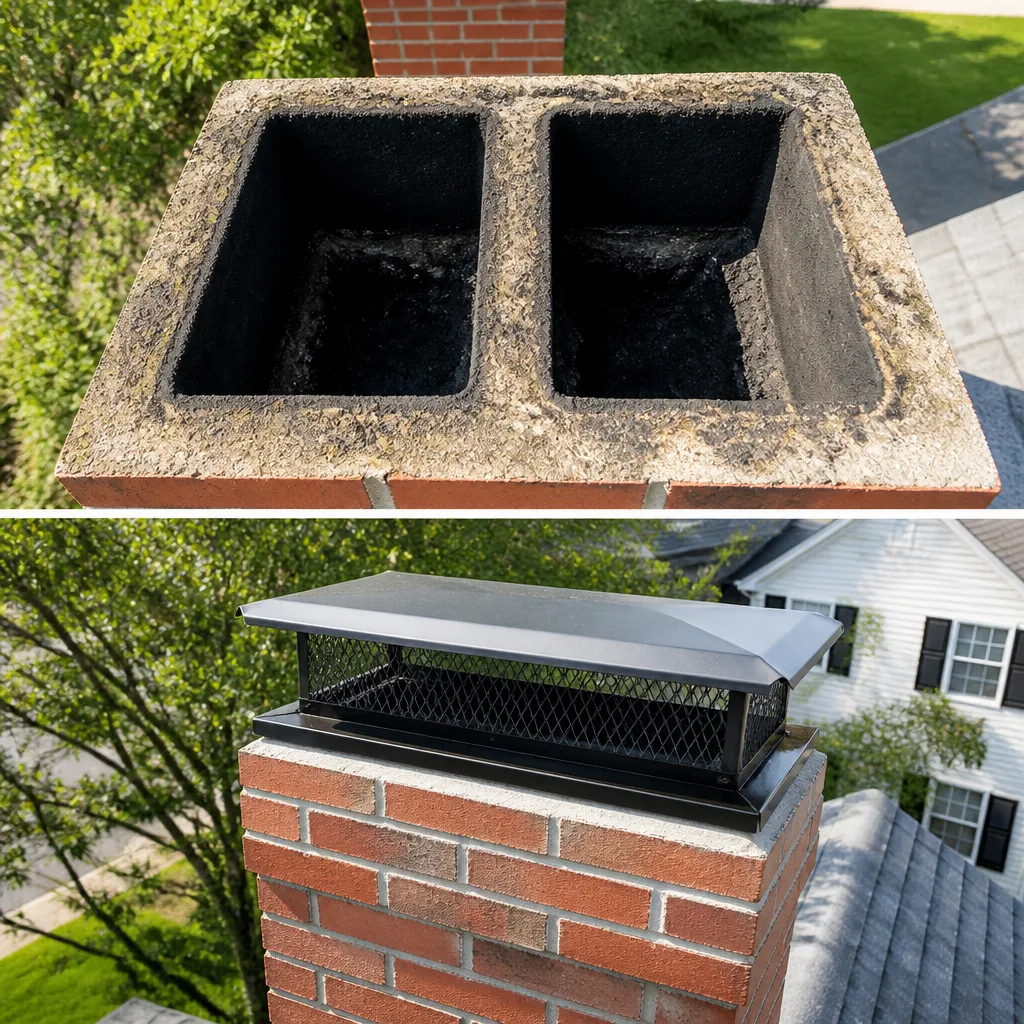 Sweep & inspection
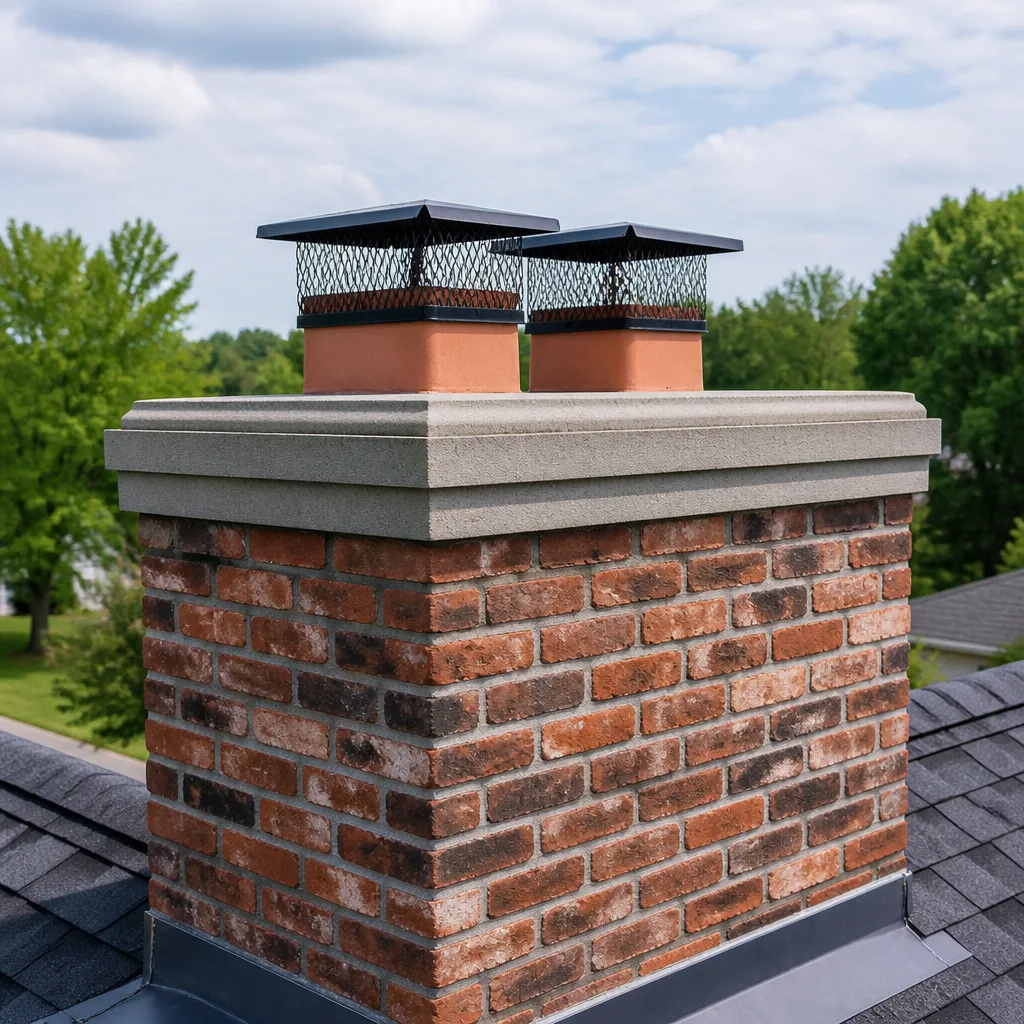 Caps & crowns
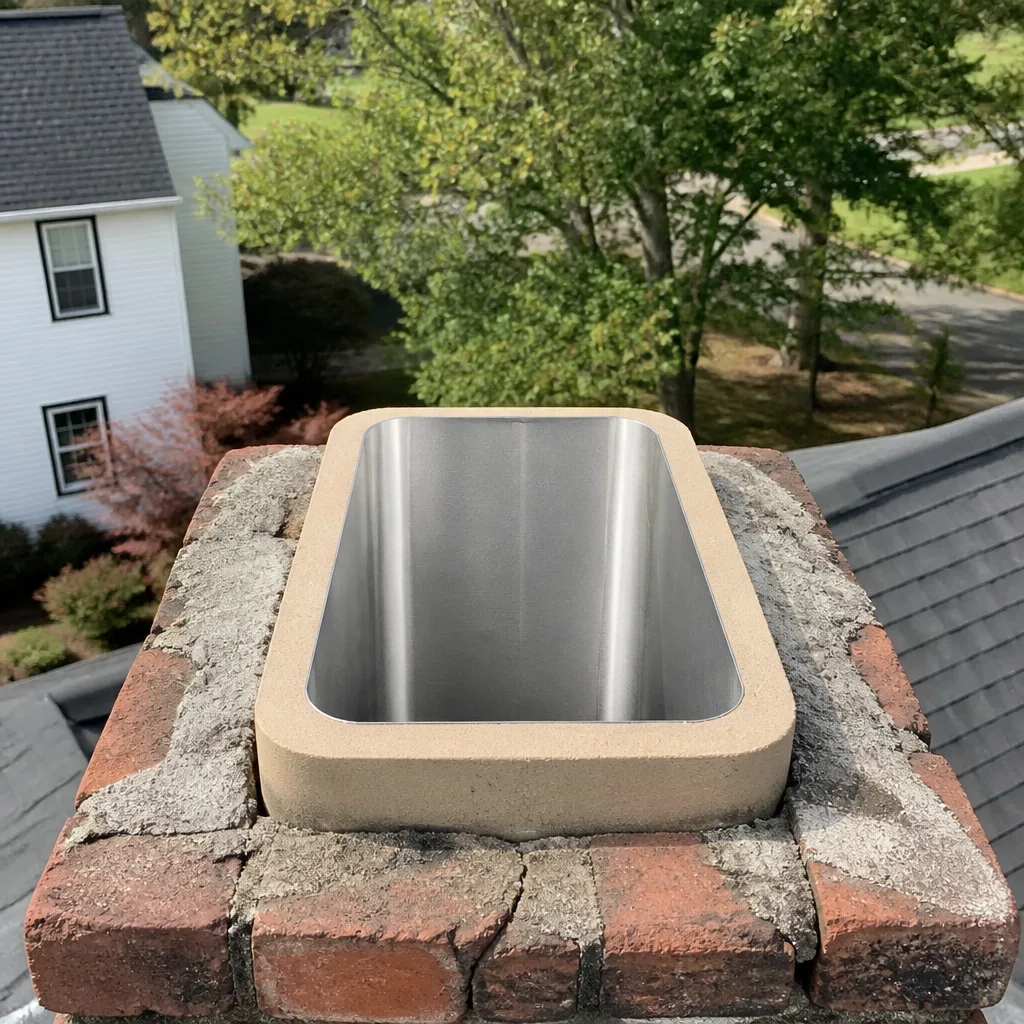 Flue relining
 Masonry repair
Level 1 sweep and inspection to the NFPA 211 annual standard - flue, crown, cap, and flashing checked and photographed
Chimney sweep logs do not sweep chimneys. They loosen some creosote - which then falls where a brush and vacuum still have to collect it.
Why Kent Homeowners Choose HeatShield Chimney Cleaning
We provide independent HeatShield chimney cleaning and service in Kent, WA. HeatShield is a flue resurfacing system, and our work with it starts with a Level 2 inspection and a camera scan of the flue interior, so we can tell you whether the surface is sound or whether resurfacing isn’t the honest answer for your chimney. That distinction is the whole job.
Kent Chimney Sweep is an independent service provider. We are not affiliated with, authorized by, or a dealer for HeatShield. We repair, install, and service HeatShield systems using quality parts that fit them, alongside DuraFlex and Gelco products when a different approach serves the chimney better.
Kent’s chimneys take a beating. The wet heating season runs from October into April, then the flue sits idle in humid air for months. That cycle is hard on any resurfaced surface, and it’s why so much of our HeatShield work in Kent starts with moisture, not with the liner itself.
Call (855) 658-3498 and we’ll set up a visit. We answer 24/7.
Why Trust Kent Chimney Sweep for Your HeatShield Chimney Cleaning?
HeatShield systems have specific failure modes, and knowing them is what separates a real diagnosis from a sales pitch. An Armor cast-in-place liner that delaminates almost always went in over clay tile that wasn’t properly cleaned and prepped first. A CeCure coating that blisters on an under-fired flue usually failed because condensation and creosote acidity ate at it from the inside. When we look at a HeatShield chimney in Kent, we’re checking for those exact things before we recommend anything.
Our technicians have up to 15 years of experience with flue systems, masonry and prefab alike. We work with professional-grade materials from brands chimney engineers trust, and for HeatShield work that means matching the correct proprietary resurfacing or coating formulation rather than substituting an aftermarket product that underperforms the system it’s supposed to protect. Same goes for the stainless cap and crown materials that sit on top of a HeatShield-lined flue. A mismatched cap or a cheap crown undoes good liner work.
We also keep the warranty question in view. Service done with the right materials and the right prep protects the life of a HeatShield installation. Improvised fixes put it at risk. We’ll tell you what we found before we tell you what it costs.
Styles & brands we work with
- Sweep & inspection
- Caps & crowns
- Flue relining
- Masonry repair
- Gas fireplace service
Common HeatShield Chimney Cleaning Problems We Fix in Kent
HeatShield products solve a very specific problem: restoring a damaged flue interior without a full tear-out. When they fail, they usually fail for one of a handful of reasons. Here’s what we see most often in Kent.
- Armor liner delamination or spalling. The cast-in-place mix needs a clean, correctly prepped clay tile surface to bond to. When the original flue wasn’t scrubbed down to sound tile before application, the liner can separate in sheets or spall away from the masonry. By the time a homeowner notices, the gap behind the liner is already trapping moisture and creosote.
- CeCure coating blistering in sections. Coatings fail first where they’re exposed to repeated condensation and creosote acidity. An oversized or under-fired flue is the classic setup, because the flue runs cool, the exhaust condenses on the coating, and the acid in that condensate works on it season after season. In Kent’s long damp heating season, that process runs longer than most owners expect.
- Cracked or shifting flue tiles hidden behind a resurfaced surface. This one is frustrating. The HeatShield surface looks intact from the top, but the masonry underneath was already failing before the liner went in. Movement in the chimney structure cracks the tile behind the liner, and then the liner has nothing solid to hold to. Only a camera scan of the interior tells you the truth here.
- Crown and flashing deterioration letting water in. A failing crown or pulled flashing lets rain into a HeatShield-lined flue, and the coating blisters or breaks down from the outside in. This is the most common cause of a resurfaced flue going bad early in Kent, where the wet season never really lets up. Crown repair and flashing work often matter more than anything done inside the flue.
- Draft problems after resurfacing. A resurfaced flue has a slightly different interior dimension and texture than the original. If the cap, the flue height or the appliance connection isn’t matched to the new surface, the chimney can smoke or draft poorly. It’s usually solvable, but it takes a proper look at the whole system rather than just the flue.
One maintenance reality worth knowing: a HeatShield lining doesn’t change how often the flue needs sweeping. Wood smoke still lays down creosote, and that creosote still needs to come out on a regular schedule. The liner protects the masonry. It doesn’t clean itself.
HeatShield Parts & Our Repair-vs-Replace Approach
With HeatShield work, the parts matter more than anywhere else in the trade. Matching the correct proprietary resurfacing or coating formulation and the right stainless cap and crown materials is the difference between a system that performs as designed and one that fails early. We don’t claim to stock OEM or genuine HeatShield parts, and we don’t need to. What we do is choose quality parts that fit HeatShield equipment correctly, and we tell you plainly what we’re using and why.
The repair-or-replace call is the honest part. A HeatShield resurface is the right answer when the underlying masonry is sound and the failure is in the surface itself. Redo the prep and resurface, and the flue is good for years. When the flue has real structural failure, when tiles have shifted or the masonry has cracked through, resurfacing is throwing money at a failing flue. In those cases the durable answer is a rebuild or a full stainless liner, and we’ll say so even when it’s the more expensive conversation.
Not sure which side of that line your chimney is on? Call (855) 658-3498 and we’ll take a look.
Our HeatShield Service Process – Step by Step
- 1
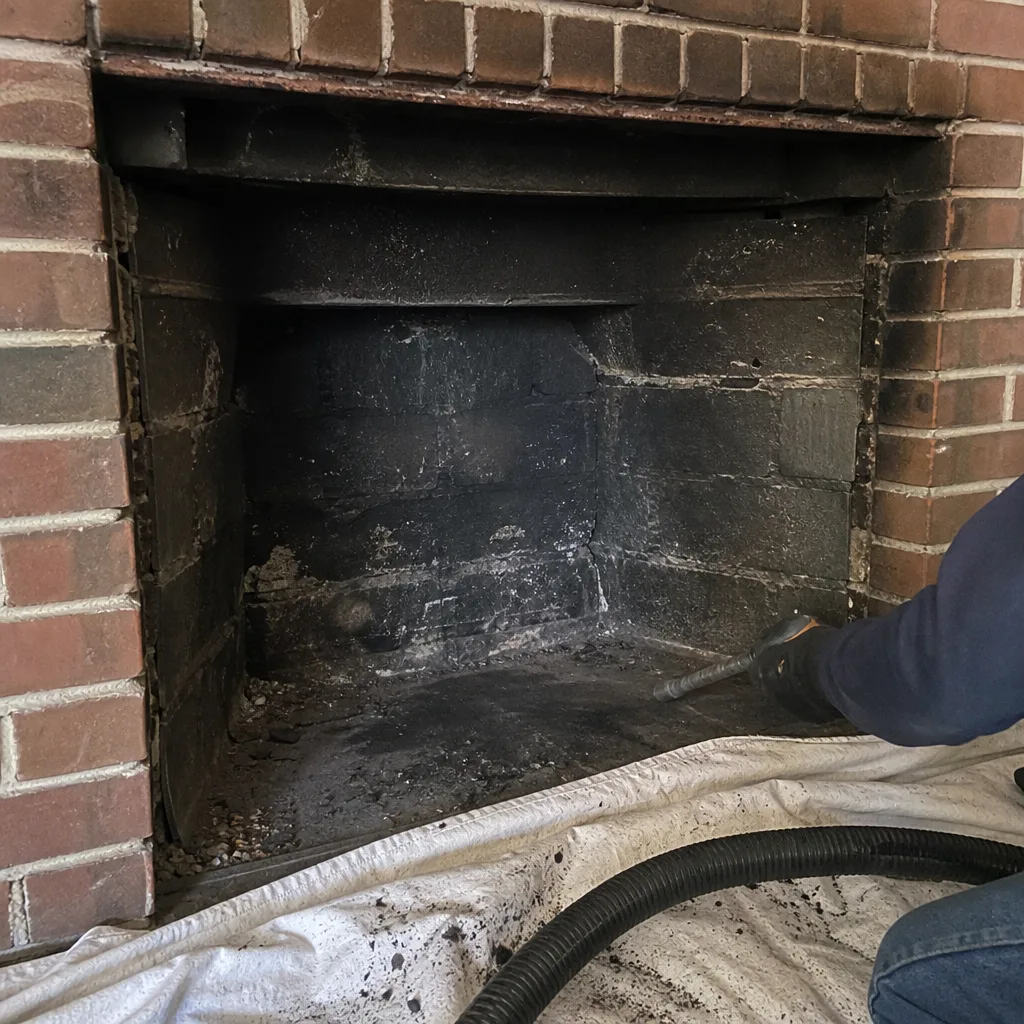
Diagnosis. Every HeatShield visit in Kent starts with a Level 2 inspection, which includes a camera scan of the flue interior. We measure the flue, check the surface for delamination or blistering, look at the crown and flashing, and confirm whether the masonry behind the liner is sound. You see the camera images with us.
- 2
Repair or install. If the HeatShield surface is intact and the problem is water or a component, we address the actual failure: crown repair, flashing work, cap replacement. If the surface itself has failed, we redo the prep properly and resurface, or we recommend a rebuild or full liner when the masonry won’t hold.
- 3
Test. Before we leave, we check draft, confirm the cap and crown are seated and sealed, and verify the connection to your appliance. A resurfaced flue that doesn’t draft right isn’t finished.
- 4
Warranty and records. We document what we found, what we did, and with which materials, so your HeatShield records stay accurate and any warranty question has a clean answer. That documentation is also what your next sweep needs.
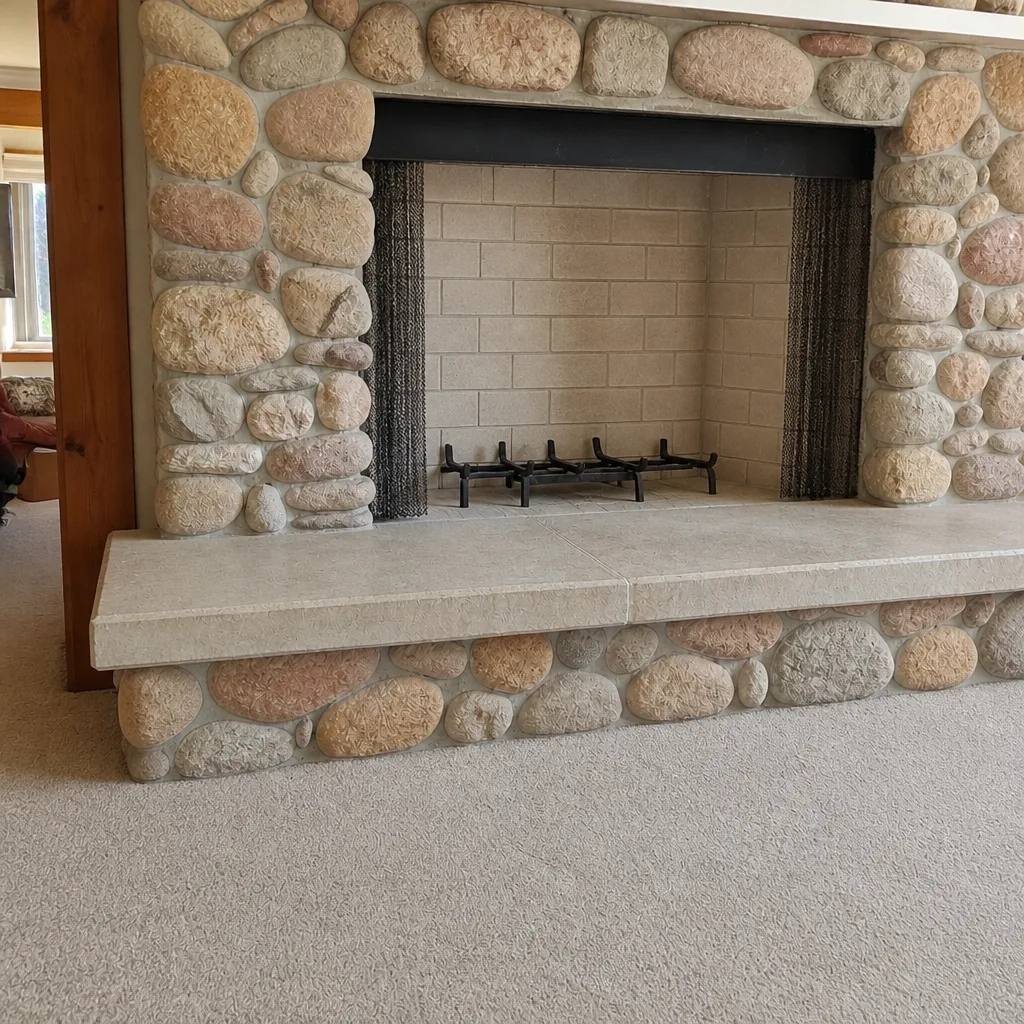
See the difference
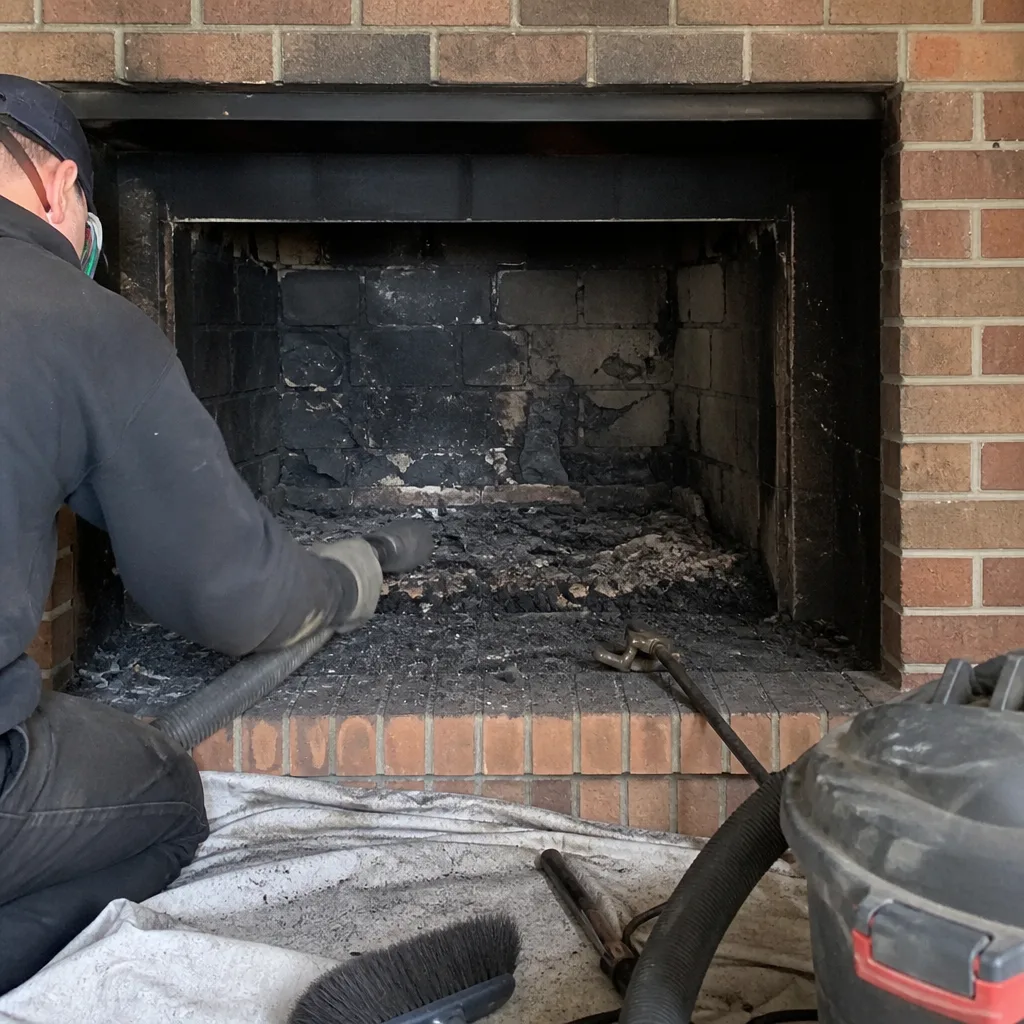 Before
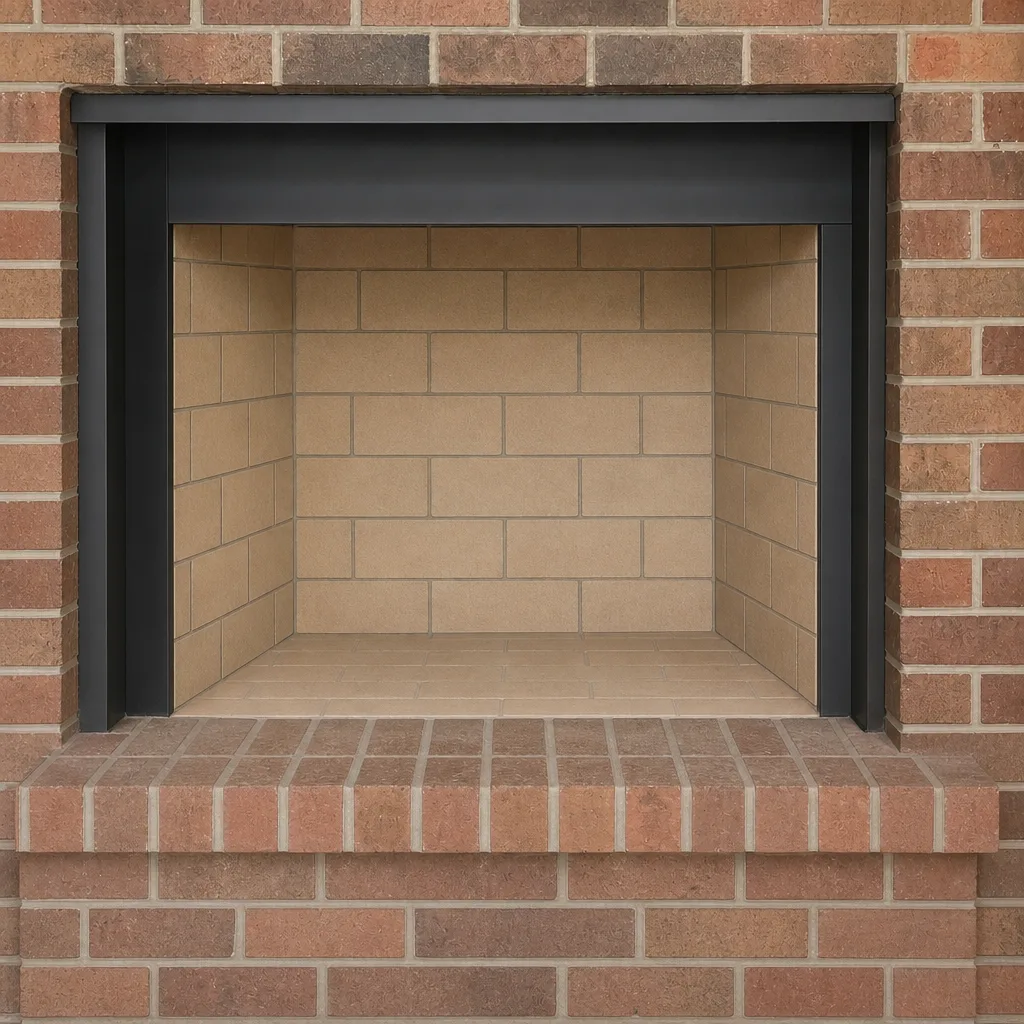 After
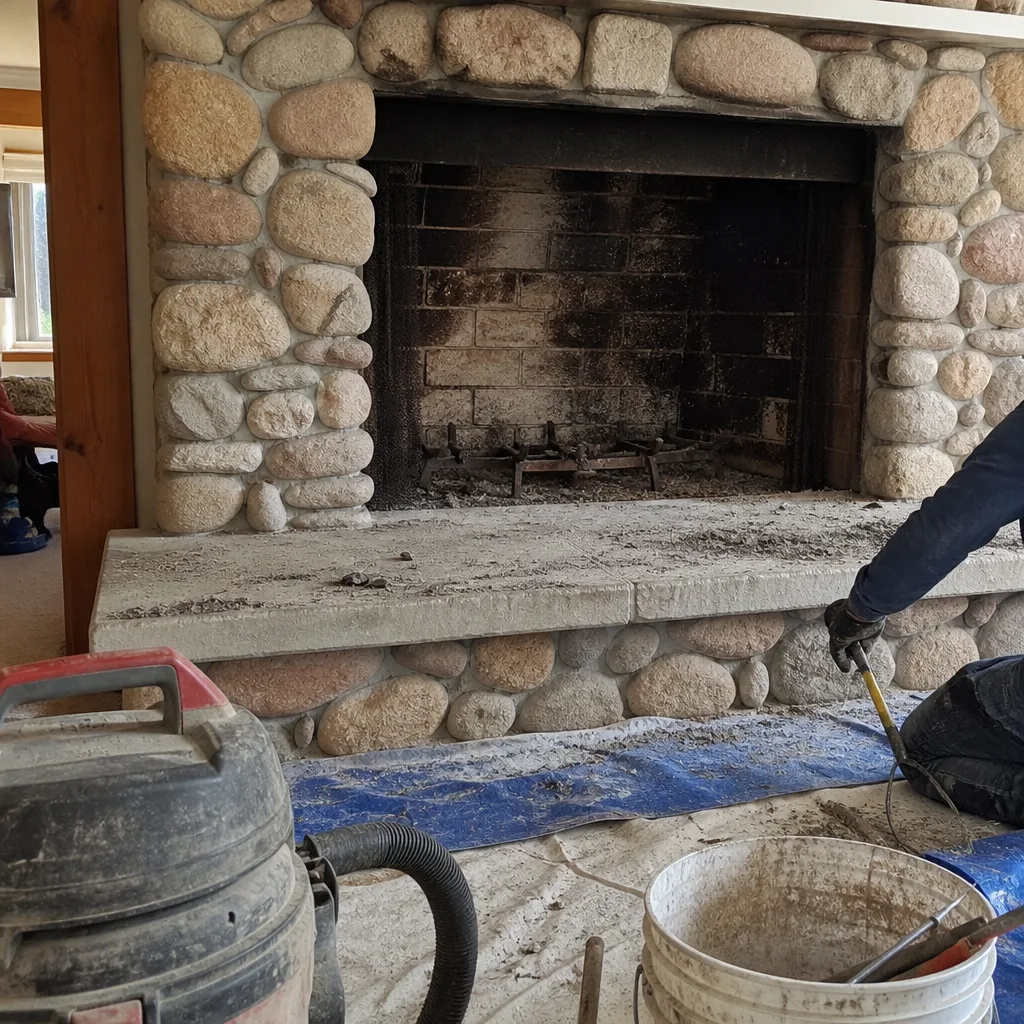 Before
 After
 Before
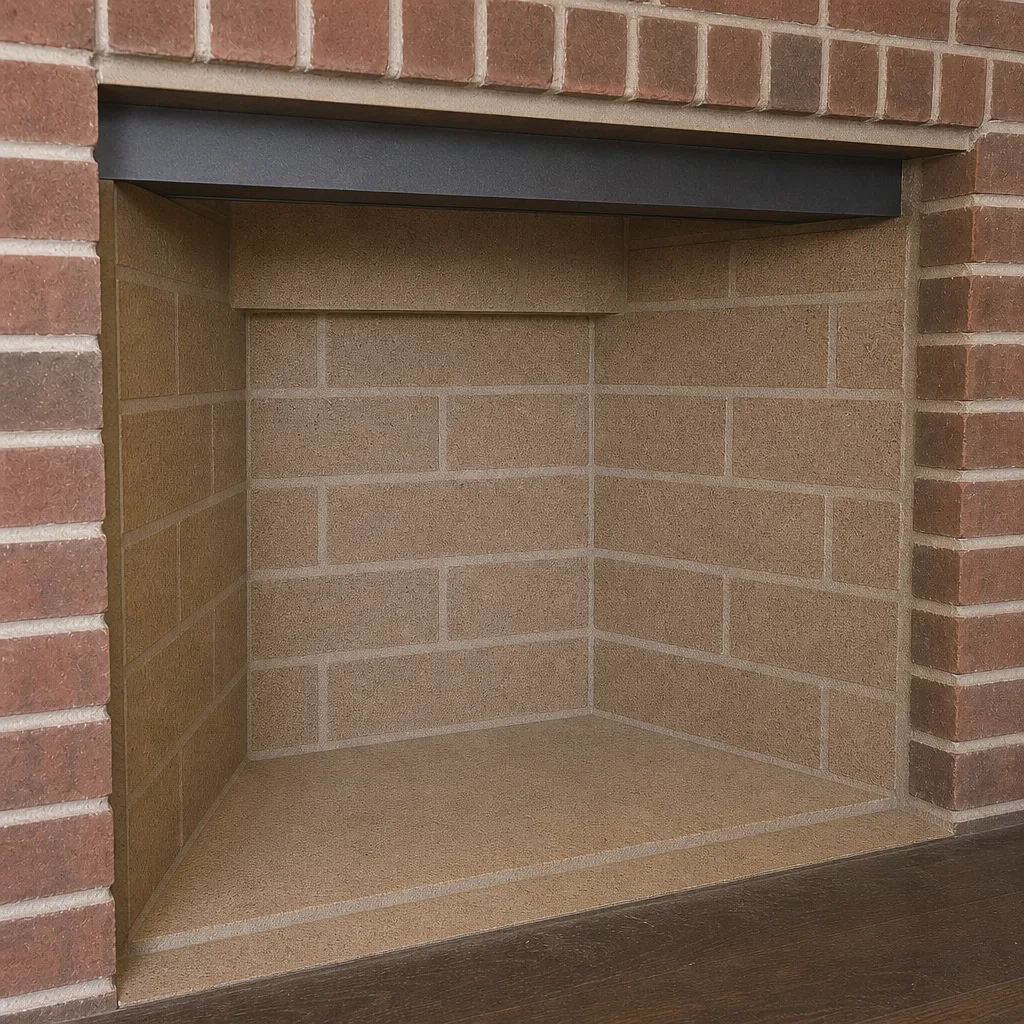 After
HeatShield Products We Service & Install in Kent
We service the HeatShield product types that show up on Kent chimneys most: cast-in-place flue resurfacing for damaged clay tile, ceramic coating and resurfacing systems, crown repair and coating products, and the stainless liners and caps that work alongside a resurfaced flue. Each one is only as good as the prep and the materials matched to it.
Kent’s split housing stock shapes which product makes sense. Valley-floor homes with original masonry fireplaces and clay-tile flues are the classic candidate for resurfacing, while East Hill homes with factory-built metal fireplaces and gas inserts usually call for a different approach entirely. We work across both, and we’ll tell you which one your chimney actually needs.
We Also Service These Brands
HeatShield is one tool, not the only one. We install and work with DuraFlex flexible liner systems, which suit older, irregular flues that rigid liners can’t serve, and with Gelco cap and cover products installed to spec. That breadth matters, because the right answer for your chimney might not be a HeatShield product at all, and an independent shop can say so.
FAQs – HeatShield Chimney Cleaning Service in Kent
No. We are an independent HeatShield service provider, not affiliated with, authorized by, or a dealer for HeatShield. We repair, install, and service HeatShield systems with quality parts that fit them, and we work with other professional-grade brands too.
In many cases, yes. If the underlying masonry is sound and the failure is in the surface, the fix is re-prepping the flue and resurfacing rather than a tear-out. If the masonry itself has moved or cracked, a rebuild or full liner is the durable answer and resurfacing won’t hold.
Blistering usually comes from one of two causes: a coating applied over a flue that wasn’t properly cleaned and prepped, or water getting in through a failing crown and flashing and breaking the coating down from the outside. In Kent’s wet heating season, that second cause is the one we see most.
No. A HeatShield lining protects the masonry, but wood smoke still lays down creosote, and the flue still needs regular sweeping on the same schedule as any other wood-burning chimney. Skipping it lets creosote build against the liner, which is exactly what the system is meant to avoid.
Usually not. Resurfacing bonds to sound masonry. When tiles have shifted or the structure has cracked through, a resurface just hides the problem for a while. Camera inspection tells you which situation you’re in, and we’ll tell you honestly when resurfacing isn’t the answer.
It depends on the flue. A HeatShield resurface preserves the original flue dimensions and is often the better fit for a chimney with sound masonry. A stainless liner is more durable when the flue has structural problems or irregular dimensions. We’ll measure and inspect first, then tell you which fits.
A standard sweep is a starting point, and HeatShield service is quoted per job after we’ve inspected and seen what’s there. You get a written estimate, and nothing gets recommended without camera evidence you can see for yourself. Call (855) 658-3498 for a free estimate.
Book Your HeatShield Service in Kent, WA
If your HeatShield-lined flue is drafting poorly, if a sweep found spalling, or if you just want to know whether the surface is holding, call us. We inspect first, show you what we found, and quote the work in writing. Call (855) 658-3498 for a free estimate. We answer 24/7. Fast dispatch from 7am to 7pm, Sunday through Friday.
Written by the team at Kent Chimney Sweep.