
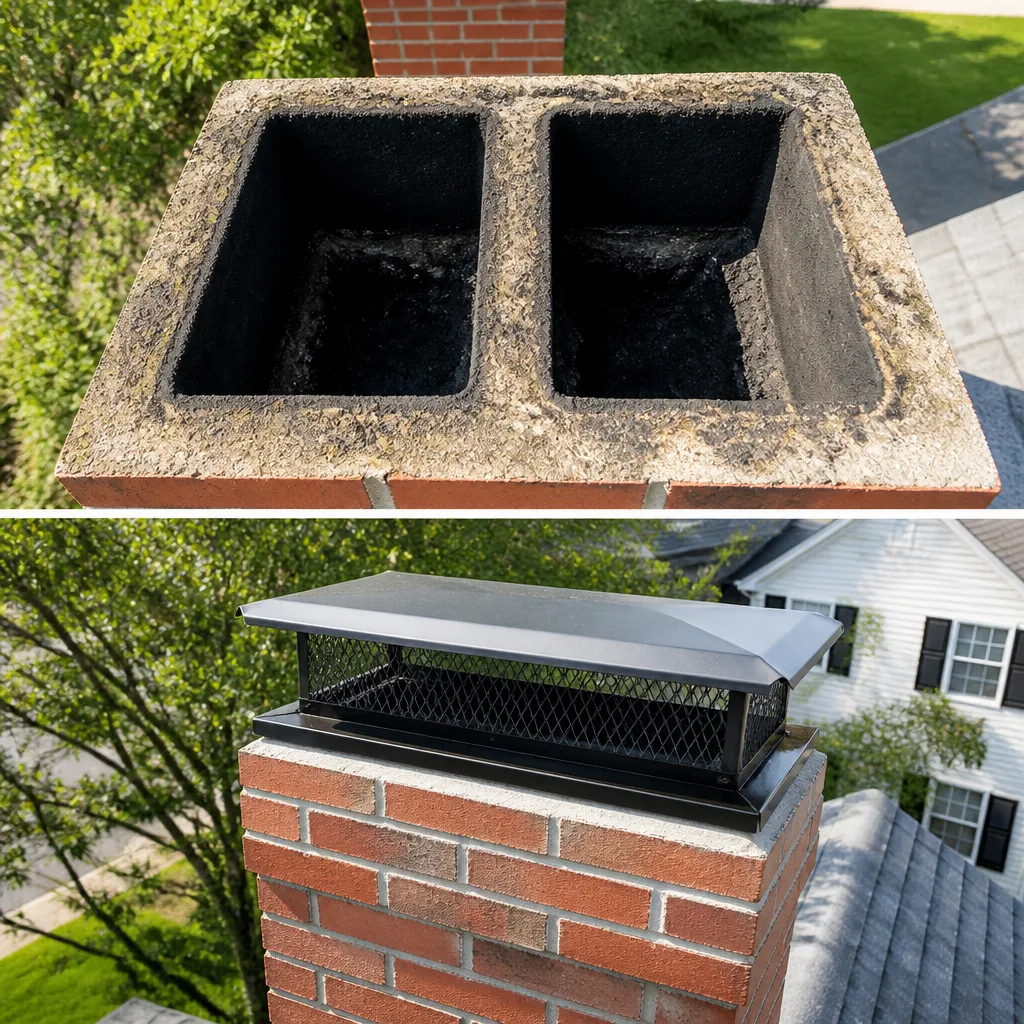
 Sweep & inspection
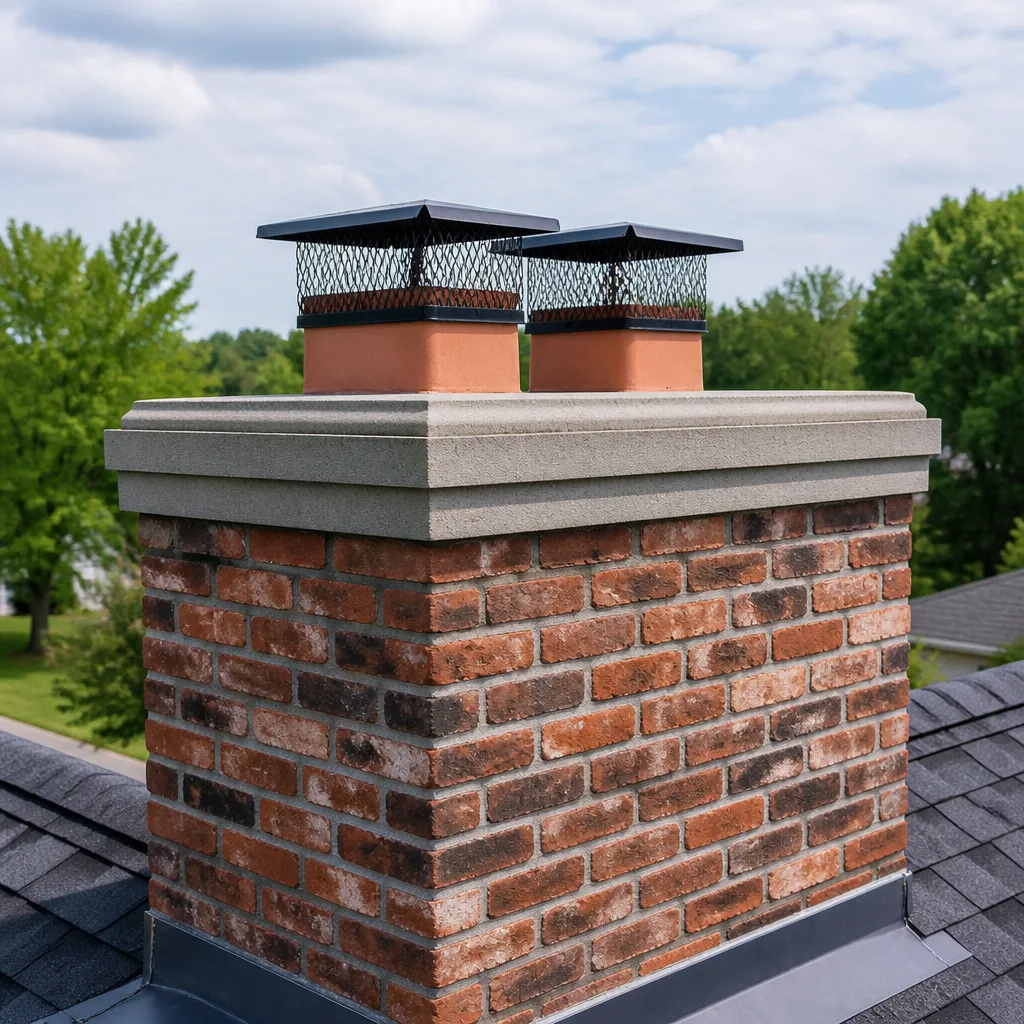 Caps & crowns
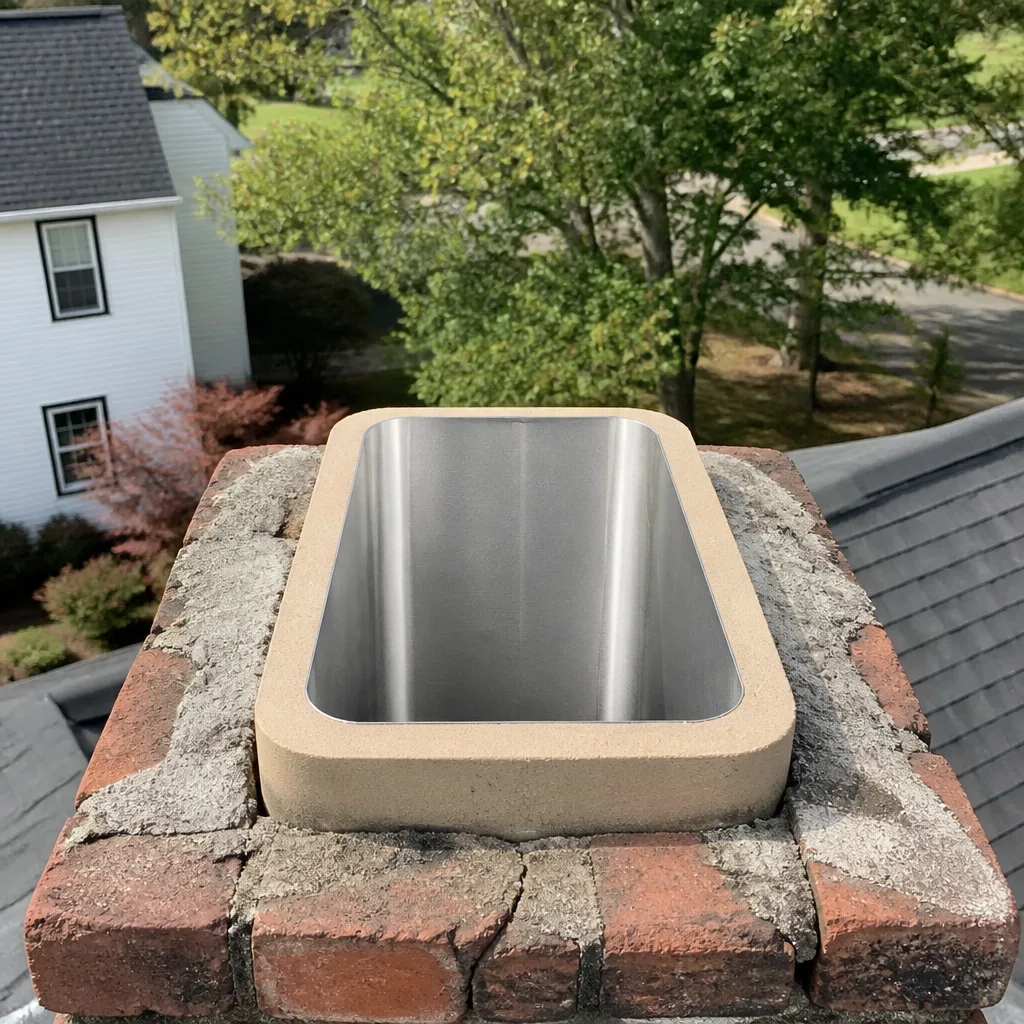 Flue relining
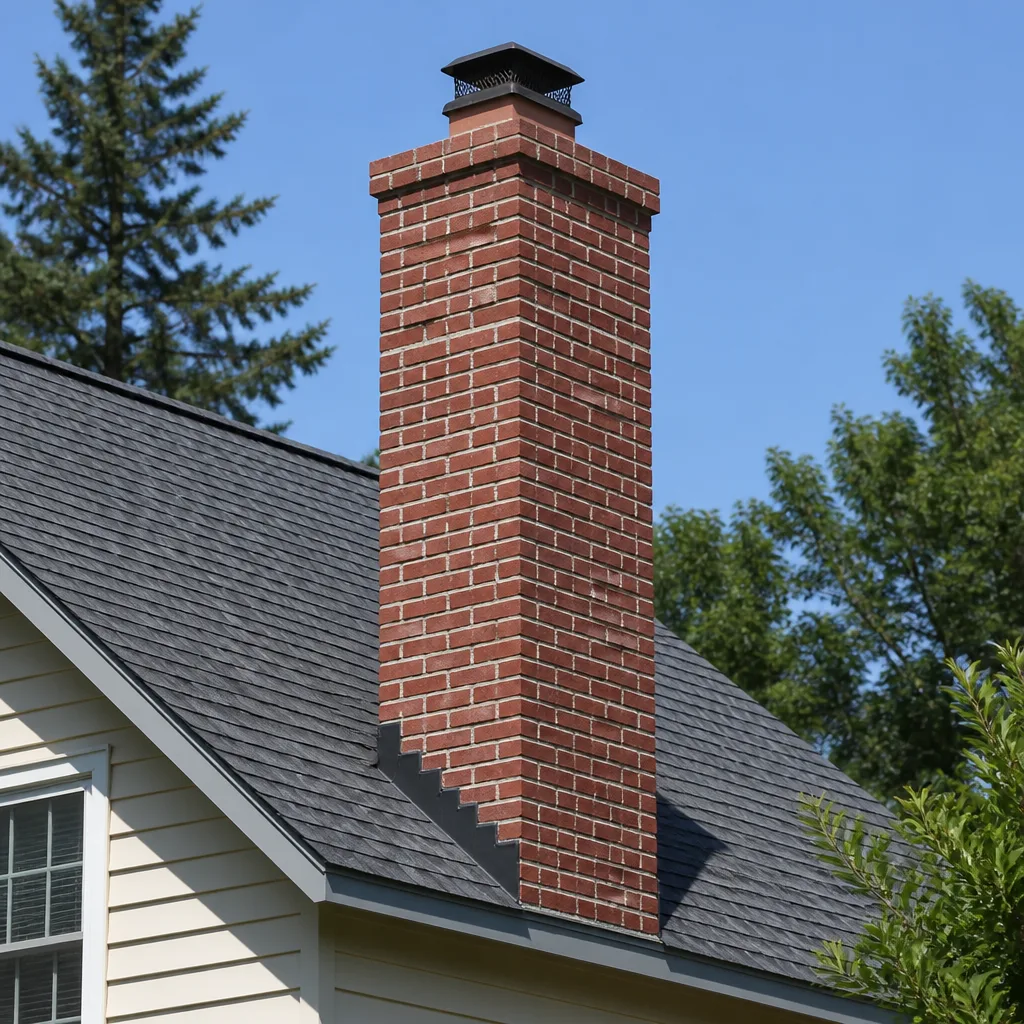 Masonry repair
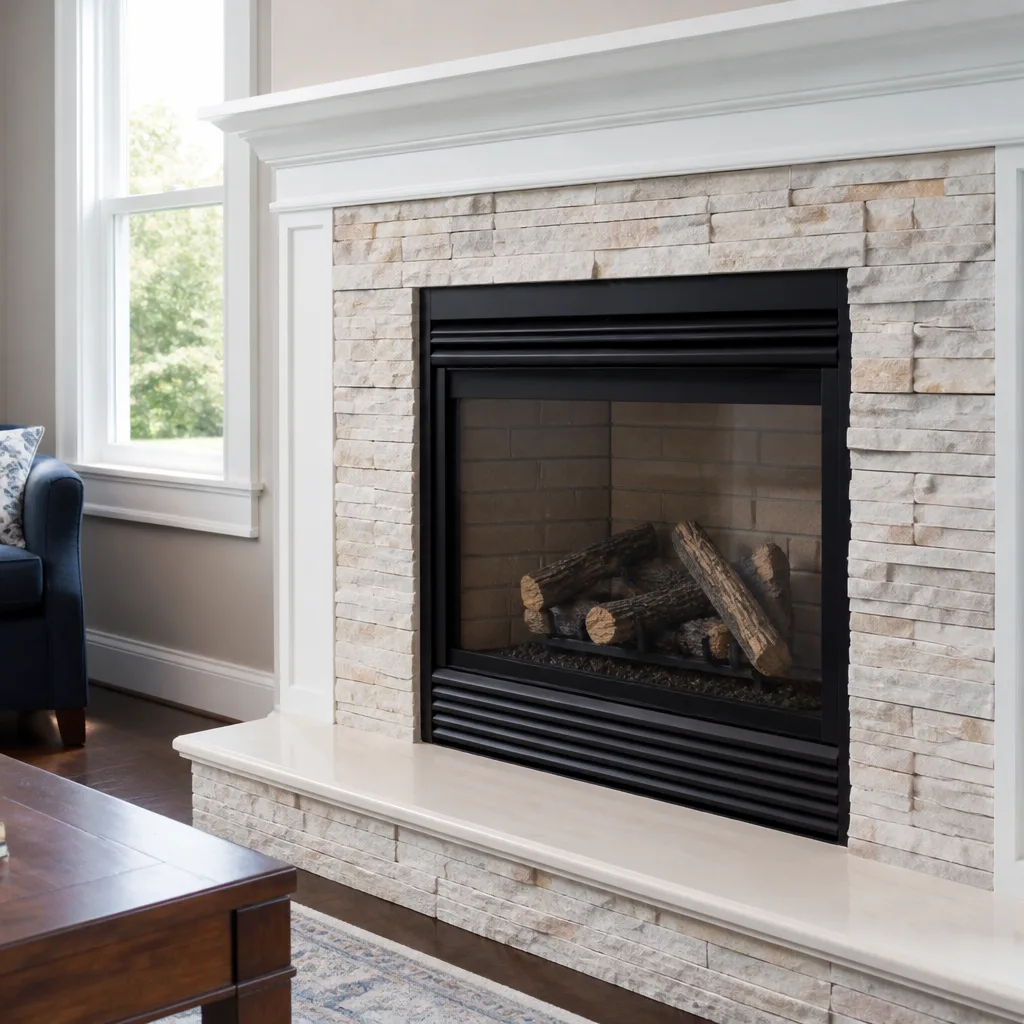 Gas fireplace service
Level 1 sweep and inspection to the NFPA 211 annual standard - flue, crown, cap, and flashing checked and photographed
Chimney sweep logs do not sweep chimneys. They loosen some creosote - which then falls where a brush and vacuum still have to collect it.
Styles & brands we work with
- Sweep & inspection
- Caps & crowns
- Flue relining
- Masonry repair
- Gas fireplace service
See the difference
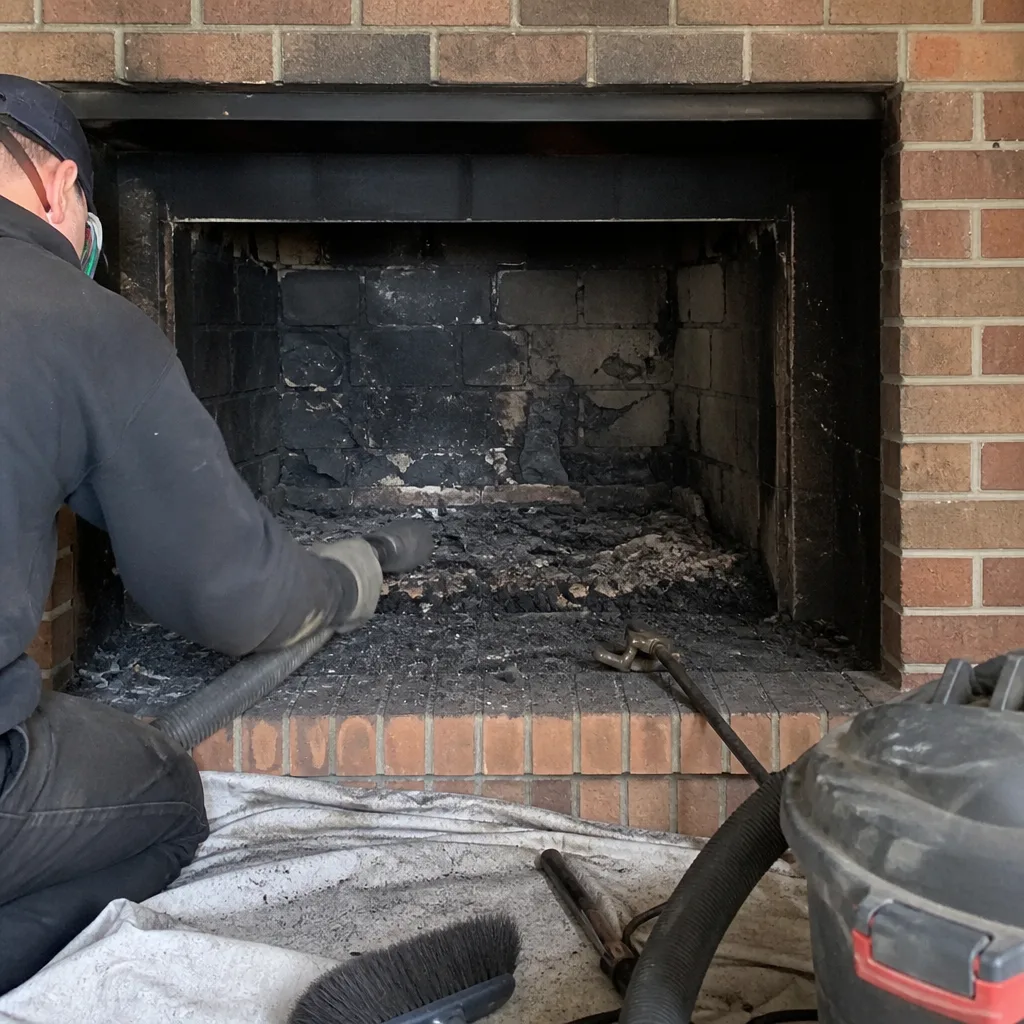 Before
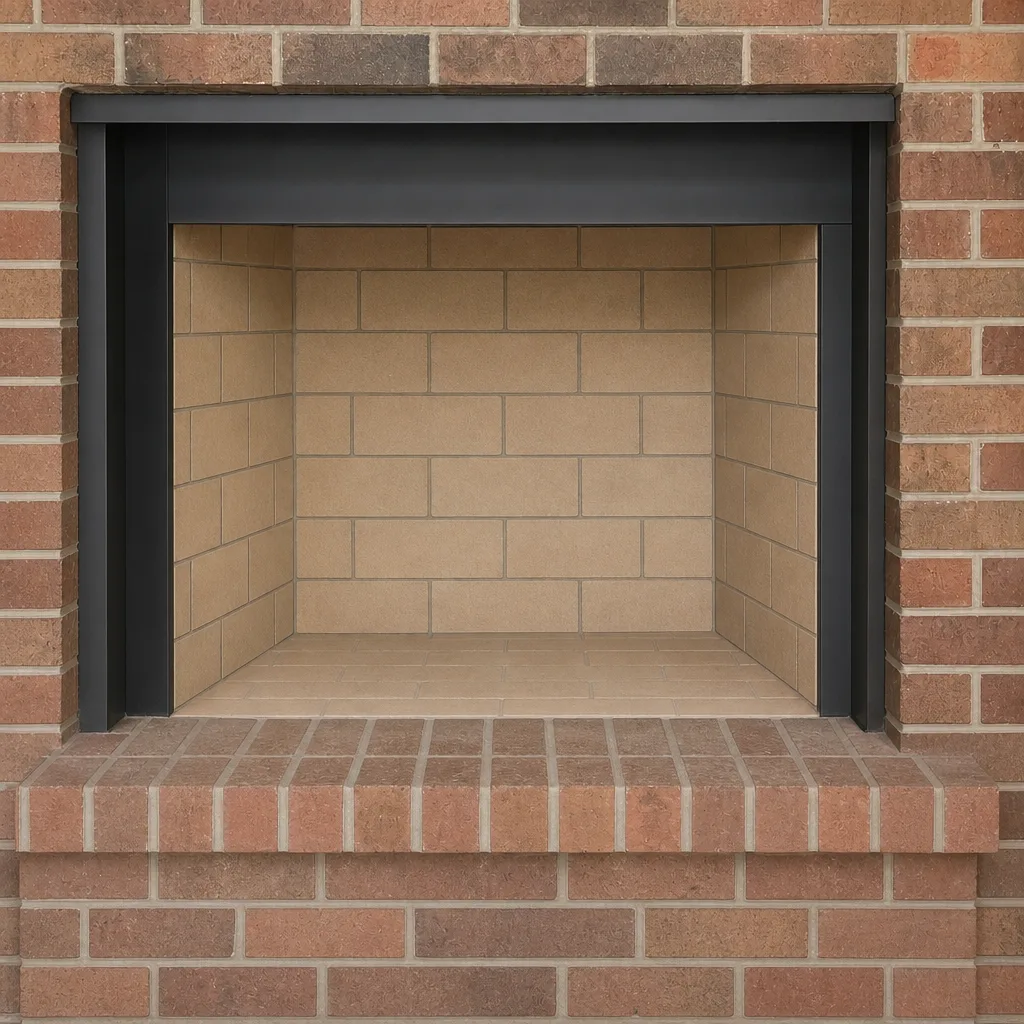 After
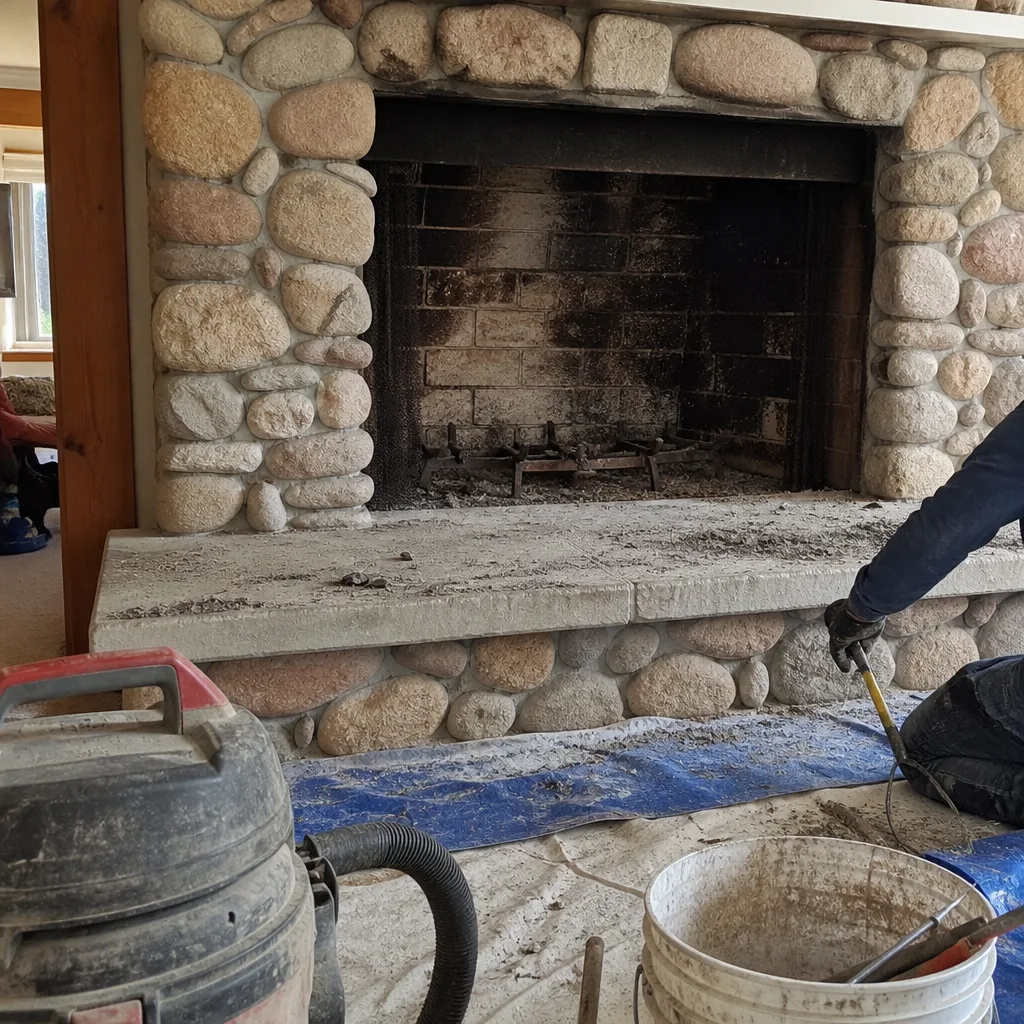 Before
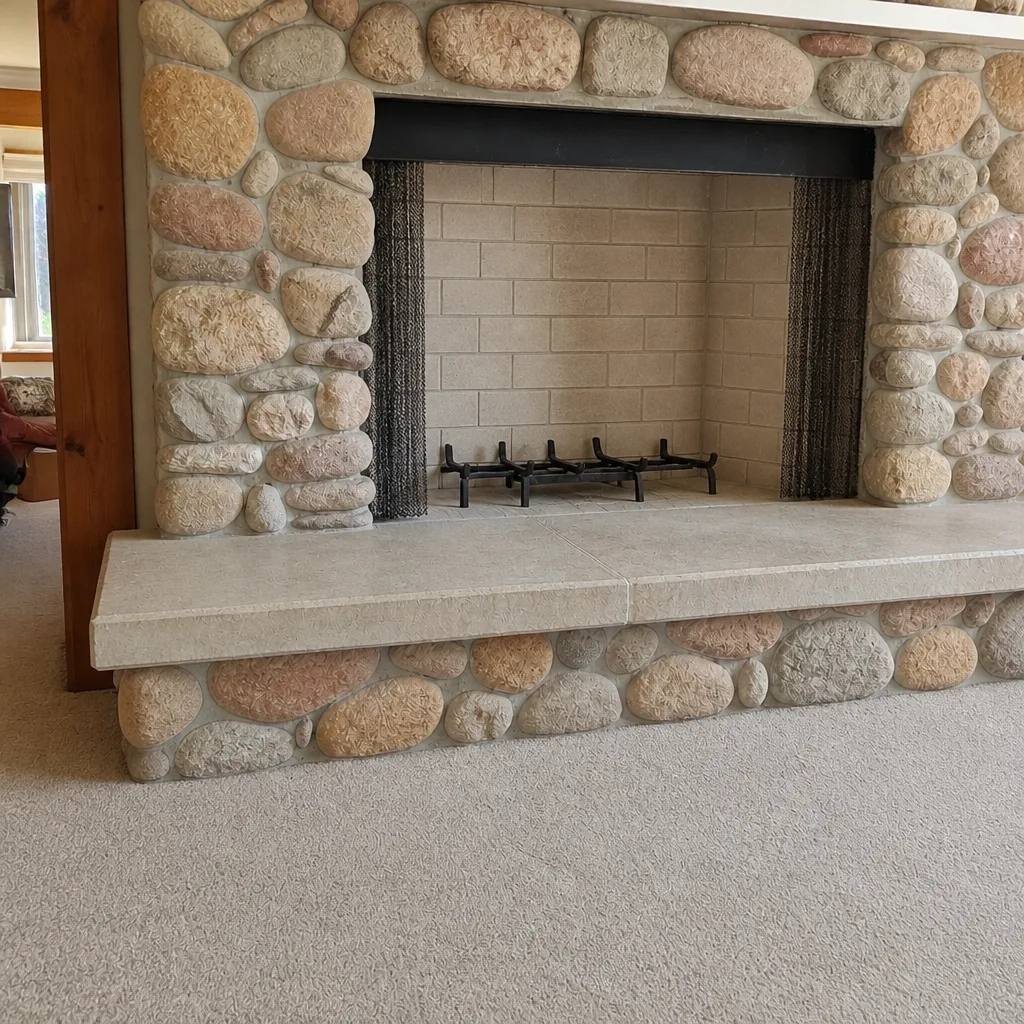 After
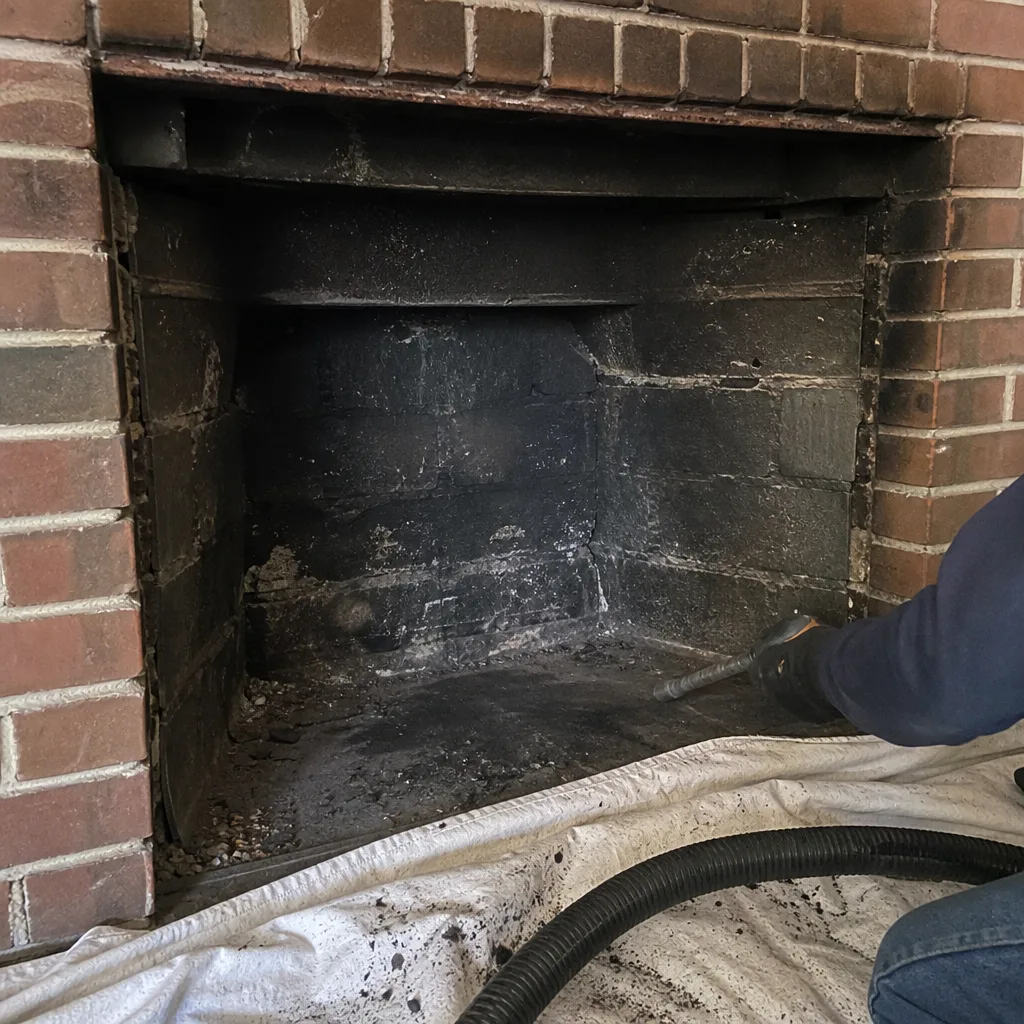 Before
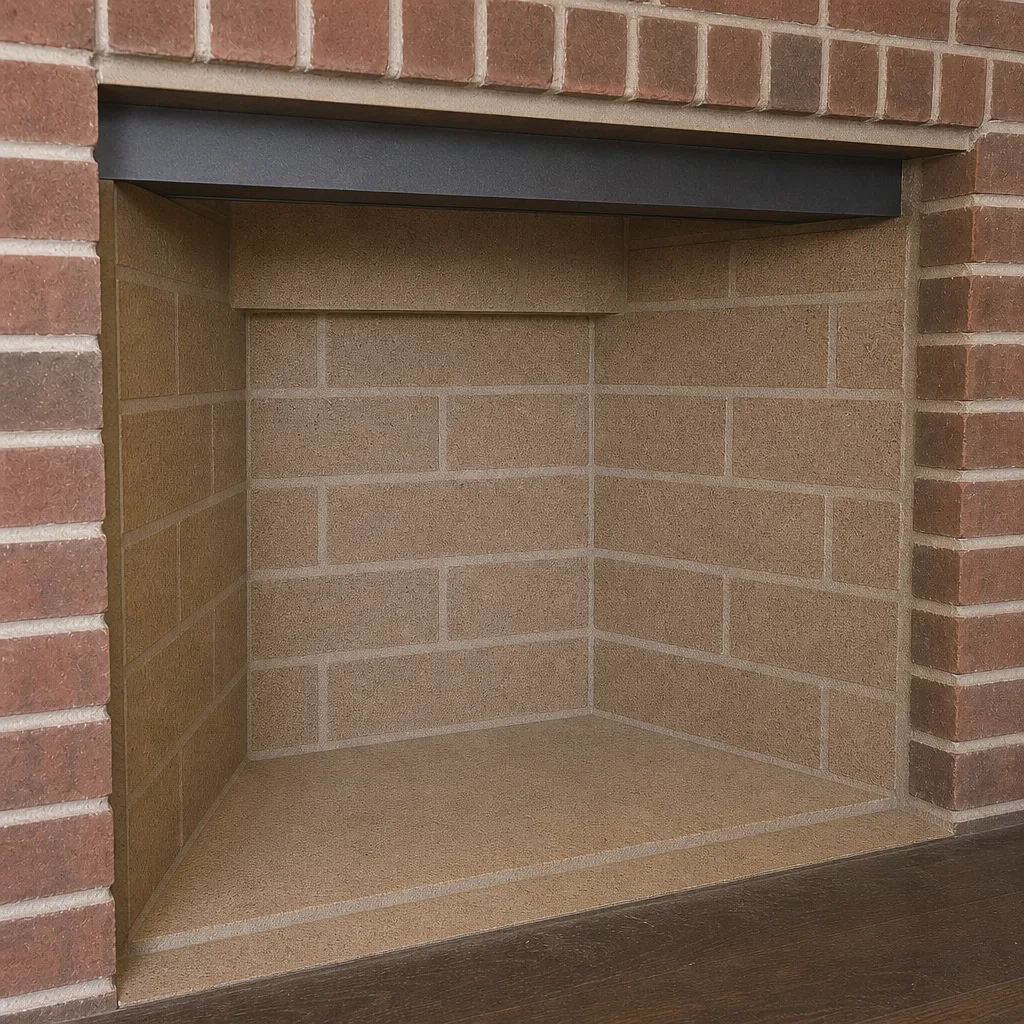 After
How Much Does Chimney Cap & Crown Cost in Kent?
A chimney cap installation in Kent typically runs $185 to $450, and a crown repair or rebuild usually falls between $300 and $1,200 depending on how much masonry has to be replaced. Both jobs protect the same opening at the top of your chimney, which is why we price them together so often. A cap keeps rain and animals out of the flue; a crown sheds water off the masonry itself.
Those ranges cover the materials and the labor, and the written estimate we hand you sets the final price. Our technicians have up to 15 years of experience reading crowns and fitting caps on the kinds of homes we see across Kent. If you’ve watched a crack widen through a wet winter, you already know what water does to masonry up here. Call (855) 658-3498 for a free estimate. We answer 24/7, with fast dispatch from 7am to 7pm, Sunday through Friday.
Key Takeaways
- Standard cap installation in Kent: $185 to $450, depending on cap style and flue count.
- Crown repair (crack sealing, patching): $300 to $650.
- Full crown rebuild: $650 to $1,200 or more, tied to the size and shape of the masonry.
- Custom multi-flue caps and copper caps sit at the top of the range.
- Rain is the main threat to a Kent chimney, not salt or storms, and a cap and crown are the first line of defense.
- Free estimates. The written estimate sets the final price.
Chimney Cap & Crown Cost Breakdown (2026)
Here’s how the numbers break down by line item for the Kent market. Treat these as typical estimates, not quotes. A short inspection of your flue and crown is what turns a range into a real figure.
| Job | Typical Range | What It Covers |
|---|---|---|
| Single-flue cap (stock size) | $185 – $300 | Galvanized or stainless cap, mesh spark arrestor, install |
| Single-flue cap (premium stainless) | $275 – $400 | Heavier gauge stainless, tighter mesh, longer service life |
| Multi-flue cap | $350 – $650 | One cap covering two or more flues, custom fit |
| Copper cap | $450 – $900 | Copper body and lid, custom sizing, premium finish |
| Crown crack sealing and patching | $300 – $650 | Cleaning cracks, flexible sealant, minor masonry patching |
| Partial crown rebuild | $500 – $850 | Removing damaged sections, re-forming the overhang |
| Full crown rebuild | $650 – $1,200+ | Removing the old crown, forming a new one with proper slope and overhang |
| Crown with stainless liner tie-in | Quoted with the liner | When a crown rebuild is bundled with liner work |
| Cap and crown together | $450 – $1,400 | Most common combined job we price |
The spread inside each range comes down to a few things. A cap on a single flue is a quick fit; a cap that has to bridge three flues on a wide masonry chimney is custom work. Crowns are the same story. Sealing a hairline crack is a fraction of the labor of tearing out a failed crown, forming a new one with the right slope, and finishing it so water runs off instead of soaking in. Height and access matter too. A chimney that’s easy to reach from a ladder prices differently than one tucked behind a steep roofline.
One more thing worth saying plainly: we don’t sell on price alone, and we don’t run the cheap-cap-then-upsell routine. We tell you what we found before we tell you what it costs. If your crown is fine and only the cap is missing, that’s what the estimate will say.
What Affects Chimney Cap & Crown Pricing in Kent
Kent sits in the lowlands south of Seattle, and the climate here shapes chimney work in specific ways. We get steady rain from fall through spring, mild winters that rarely hold a deep freeze, and enough moss and moisture on roofs to keep gutters and flashing in constant need of attention. That wet cycle is what wears out crowns. Water gets into a hairline crack, sits there, and works at the masonry through the freeze-thaw nights that do come. By the time a crown looks bad from the ground, it’s usually been leaking for a season or two.
Here’s what moves the price on a Kent chimney:
- Cap style and material. A galvanized stock cap is the least expensive option and works fine on a sheltered chimney. Stainless lasts longer in wet weather, and copper is the premium pick for homes where the chimney is visible from the street or the roofline is a design feature.
- Number of flues. A single flue takes a single cap. A chimney with two or three flues, common on older Kent homes with a furnace flue and a fireplace flue side by side, needs a wider cap or a custom multi-flue cover.
- Crown condition. Sealing, patching, or rebuilding are three very different jobs with three different price points. The inspection tells us which one you actually need.
- Crown size and shape. A rectangular crown over a wide masonry chimney has more surface area and edge to form than a small round one. More material, more labor.
- Access and roof pitch. A chimney on a low-slope roof or near a valley is quicker to reach than one set back on a steep pitch. Access sets labor time, and labor time is most of the bill on crown work.
- Related repairs found during inspection. A cracked crown often comes with a cracked flue tile or a loose flashing collar. We flag those on the estimate rather than discovering them halfway through the job.
We work on the whole system, not just the flue, so the inspection that precedes a cap or crown estimate also looks at the flashing, the flue tiles, and the firebox. That’s how you avoid paying twice for the same visit. Full details of what the work involves are on our chimney cap & crown page if you want the scope before you call.
Cap vs. Crown: What’s the Difference and Why Does It Matter?
The cap sits on top and covers the flue opening. The crown is the masonry slab at the top of the chimney that sheds water away from the brick or stone below it. They do different jobs, and a chimney needs both working to stay dry.
A missing or rusted-out cap lets rain straight down the flue. It also lets birds, squirrels, and raccoons in, which is a problem in Kent’s tree-heavy neighborhoods where wildlife has plenty of routes onto a roof. A failed crown lets water into the masonry itself. That water works down through the brick, shows up as efflorescence (the white staining on the chimney face), and eventually finds its way into the attic or the ceiling below.
In our experience, the crown is the part homeowners forget. The cap is visible from the ground and easy to notice when it’s gone. The crown is a thin slab on top of the chimney, and a crack in it is invisible from the driveway. That’s why we look at both together and price them together when the job calls for it.
When a repair is enough and when a rebuild makes sense
If the crown is sound except for a few cracks, sealing and patching it is the sensible call. If the crown has separated from the flue, is crumbling at the edges, or has lost its slope so water pools on top, patching just delays the problem. A rebuild forms a new crown with the proper overhang and slope, so water runs off the edge instead of soaking in. That distinction is the single biggest factor in what your estimate says.
How to Save on Chimney Cap & Crown in Kent
Most of the savings on this work come from timing rather than shopping. A crown sealed while the cracks are small costs a fraction of a rebuild. A cap installed before the flue takes on water saves you the liner and firebox work that wet flues eventually need. Here’s what actually helps:
- Catch the crown early. If you see white staining on the chimney or a crack you can spot from the ground, get it looked at before the next wet season. Sealing beats rebuilding every time.
- Bundle cap and crown in one visit. If both need attention, pricing them together usually costs less than two separate calls, because the access and setup happen once.
- Choose the right cap for the flue. A stainless cap on a single flue is a sound, long-lasting choice at a mid-range price. Copper is worth it where the chimney is a visible feature, but you don’t need it on a chimney nobody sees.
- Get the inspection first. A proper inspection tells you whether you need a cap, a crown, or both, and whether the flashing or flue tiles need attention at the same time. It’s the difference between a targeted repair and a guess.
- Ask for the written estimate. Our estimates are free, and the price you’re quoted is the price the job runs, set by that written estimate. Call (855) 658-3498 to book one. We answer 24/7, with fast dispatch from 7am to 7pm, Sunday through Friday.
What Materials Do We Use for Caps and Crowns in Kent?
We source and install caps from Gelco, Famco, Olympia Chimney, and Copperfield, all trade-grade manufacturers rather than hardware-store stock. That matters more than it sounds. A generic cap with thin mesh and light gauge metal rusts through in a few wet seasons. A properly spec’d cap from a name chimney engineers know lasts considerably longer.
For crown work, we use masonry materials suited to the wet Pacific Northwest climate and form the crown with the slope and overhang the flue needs. Where the crown work ties into liner repair, we install DuraFlex flexible liner systems for older, irregular flues that rigid liners can’t serve, and we use HeatShield for flue resurfacing when the liner is sound enough to restore rather than replace. HeatShield resurfacing is a non-invasive alternative to full relining that extends chimney life without the cost of a demolition. If your crown work uncovers a flue problem, you’re already talking to the people who can fix it, not getting handed off to someone else.
Do You Need a Cap and Crown Inspection Before You Price the Job?
Yes, and it’s the most useful thing you can do before spending money on this work. A cap and crown estimate without an inspection is a guess. The inspection tells us the crown’s condition, the flue’s condition, the flashing, and whether the cap needs to be sized for one flue or several. It also surfaces anything else the chimney needs, so you get one clear picture instead of three separate estimates over a season.
Our technicians have up to 15 years of experience with chimney inspections, so they’re reading the whole system, not just the top. You’ll get a plain explanation of what we found and a written estimate for the work that follows. That’s the order it should happen in.
If you want a broader look at what we cover, our Kent Chimney Sweep page outlines the full-service side of the business: sweeps, inspections, repairs, fireplace work, and cap and crown installation under one relationship.
FAQs – Chimney Cap & Crown Cost in Kent
How much does a chimney cap cost in Kent?
A single-flue cap in Kent typically costs $185 to $300 for a stock size, $275 to $400 for premium stainless, and $450 to $900 for a custom copper cap. Multi-flue caps usually run $350 to $650. The final price depends on the flue count and the cap material. Call (855) 658-3498 for an exact quote, since estimates are free.
How much does chimney crown repair cost in Kent?
Crown repair in Kent typically costs $300 to $650 for sealing and patching, and $650 to $1,200 or more for a full rebuild. Most crowns fall into the repair range if the cracks are caught early. A crown that’s separated from the flue or lost its slope needs a rebuild. Call (855) 658-3498 to find out which one your chimney needs, since estimates are free.
Is it cheaper to repair or replace a chimney crown?
Repair is cheaper up front: $300 to $650 for sealing versus $650 to $1,200 for a rebuild. Whether repair is the right call depends on the crown’s condition. If the cracks are surface-level and the crown is still bonded to the flue, sealing it is the sensible move. If it’s crumbling or separated, patching just delays the rebuild, and you’ll pay for both. Call (855) 658-3498 for an inspection and a straight answer, since estimates are free.
Can you come today?
In many cases, yes. We offer same-day service when the schedule allows, and a missing cap or a leaking crown is the kind of job we try to fit in quickly. Call (855) 658-3498. We answer 24/7, with fast dispatch from 7am to 7pm, Sunday through Friday, and we’re closed Saturday. A call outside dispatch hours is booked into the next opening, Sunday through Friday, 7am to 7pm.
How long does a cap and crown job take?
A single-flue cap installation usually takes under an hour. Crown repair runs a few hours depending on access and the extent of the cracks. A full crown rebuild typically takes most of a day because the old crown has to come off, the new one formed, and the masonry allowed to set. Your written estimate will say what your particular job involves, and estimates are free, so call (855) 658-3498.
Why the Cap and Crown Matter More Than Most Homeowners Think
A swept chimney is a starting point, not a finish line. The sweep clears the flue; the cap and crown keep it clear and dry. Every year a crown sits cracked, water works deeper into the masonry, and the repair gets more expensive. That’s not a scare tactic, it’s just how wet masonry behaves in a climate that rains as much as Kent’s does.
We handle the whole job under one roof, from the inspection through the finished cap and crown, using professional-grade materials from brands chimney engineers trust. Built to last the next season and the next decade. If you’ve been putting off a look at the top of your chimney, now’s a good time to get it priced.
Call (855) 658-3498 for a free estimate. We answer 24/7, with fast dispatch from 7am to 7pm, Sunday through Friday. Our technicians have up to 15 years of experience, and the written estimate sets the final price, so there are no surprises once the job starts.
Pricing reflects the Kent market as of 2026. Kent Chimney Sweep offers free estimates – call (855) 658-3498.
Written by the team at Kent Chimney Sweep.
What Our Customers Say
"Creosote buildup was worse than I realized. He measured it, showed me the glazing on the flue with the camera, and was honest that we were closer to a chimney fire than I wanted to hear."
- Nisha Mehta"Crown was cracked and taking water. Repaired it rather than quoting a rebuild, which the previous company had pushed hard for."
- Tracy Mercer"Swept it, capped it, and installed a proper damper. The downdraft smell in the summer that we'd lived with for years is gone."
- Norma Ramirez