
Last updated November 25, 2026
 Sweep & inspection
 Caps & crowns
 Flue relining
 Masonry repair
 Gas fireplace service
Level 1 sweep and inspection to the NFPA 211 annual standard - flue, crown, cap, and flashing checked and photographed
Chimney sweep logs do not sweep chimneys. They loosen some creosote - which then falls where a brush and vacuum still have to collect it.
Chimney Sweep Maintenance Checklist for Kent Homeowners
The chimney problem that causes most emergency calls in October was visible in April. Homeowners walk past the same cracked crown, the same rusted damper, the same loose cap all summer without knowing what they’re looking at. Then the first cold snap arrives, the fireplace gets its first fire of the season, and the whole thing announces itself at once.
What follows is a maintenance checklist built around Kent’s actual calendar: our wet season, our burning season, and the dry stretch in between when problems are cheap to fix. We’ll show you the tasks for each month, the five checks you can safely do from inside, how to keep a chimney log a sweep can actually use, and when a homeowner item turns into a code issue. If you’re searching for a chimney maintenance checklist in Kent, WA, this is the one to keep.
Quick Answer
A Kent chimney needs three things every year: a professional sweep and inspection before the burning season starts in October, a homeowner check of the firebox, damper, and cap in spring after the last fire, and a water-damage walkaround before the fall rains settle in. Between visits, log what you see and hear so your sweep can track deterioration over time. Everything else on this checklist is either a seasonal detail or something to hand off to a professional.
Styles & brands we work with
- Sweep & inspection
- Caps & crowns
- Flue relining
- Masonry repair
- Gas fireplace service
Table of Contents
- Why Kent’s Climate Sets the Maintenance Calendar
- The Month-by-Month Maintenance Calendar
- Five Chimney Checks You Can Do From Inside the House
- Damper Drag: The Easiest Early Warning You’ll Ever Detect
- How to Log Your Chimney’s History So Each Visit Builds on the Last
- When a Maintenance Item Becomes a Code Issue in Washington
- Sweep vs. Inspection: What Each One Actually Covers
- What a Full-System Chimney Professional Handles
Why Kent’s Climate Sets the Maintenance Calendar
Kent sits in the Green River Valley, which means two things for a chimney: a long, wet stretch of weather from roughly October through April, and a summer dry season that concentrates moisture damage into a narrow window you can actually act on. A chimney in Kent doesn’t dry out gradually over the year. It spends most of the calendar soaked, then dries fast in summer heat, and the freeze-thaw and wet-dry cycling is what opens cracks in masonry, crown, and mortar joints.
That’s the physical reason the maintenance calendar matters more here than in a dry climate. Water gets into the masonry all winter. It finds a hairline crack in the crown, sits in the brick, and when temperatures drop it expands. That expansion widens the crack, which lets more water in next season. The cycle is invisible from the ground and obvious from the roof, which is why a professional inspection belongs in the schedule and a homeowner roof walk doesn’t.
The second local reality is the burning season itself. Most Kent households start their first fire somewhere around October and stop in March or early April. That gives you a clear rhythm: inspect and sweep before the first fire, do the post-season homeowner checks in spring, and handle repair work over the dry months when a mason isn’t fighting rain.
- Wet season (roughly October through April): Masonry absorbs moisture, caps and crowns get tested, and water tracks down the flue.
- Burning season (October through March): Creosote builds up with every fire, fastest with slow-burning or green wood.
- Dry season (roughly May through September): The window for crown repair, cap replacement, and liner work that cures or sets properly.
If you’re new to maintaining a fireplace in this part of the state, the seasonal timing is the first thing to get right. A chimney swept in July just sits clean until October and collects nothing. A chimney swept in late September gets you into the season with a clean flue and a fresh set of eyes on the system. If you want to understand why the timing beat matters so much, our guide to scheduling a chimney sweep lays out the before-and-after-season logic in detail.
The Month-by-Month Maintenance Calendar
Here’s the piece most checklists skip. Instead of a generic “do these things once a year” list, this calendar assigns each task to a month when it actually makes sense in Kent. Print it, stick it on the fridge, and work through it.
Spring (April through June)
- April: After your last fire of the season, do a visual check of the firebox, damper, and glass doors. Note anything that looks off in your chimney log. This is also the month to schedule your professional inspection if you didn’t do it in fall; problems are cheapest to fix before the dry season busy period.
- May: Walk the exterior of the chimney from the ground. Look at the crown for cracks, the cap for rust or loose screening, and the flashing where the chimney meets the roof. You’re not getting on the roof. You’re noting what you can see from the lawn.
- June: If your inspection flagged masonry repair, crown work, or cap replacement, book it now. Dry-season scheduling means mortar and sealants cure without rain fighting them.
Summer (July through September)
- July: Clean out the firebox completely. Ash left in a damp flue over summer draws moisture and corrodes metal components. Sweep the hearth, vacuum the firebox, and wipe down glass doors.
- August: Check the damper operation by hand. Open and close it a few times and note any dragging, sticking, or rattling. This is the month when a professional can address a stiff damper without rushing before the season.
- September: Book your pre-season sweep and inspection. This is the month with the highest demand, so get on the schedule early. A chimney swept in September is ready for the first fire in October.
Fall (October through December)
- October: First fire of the season. Before you light it, confirm the damper opens fully, the flue drafts correctly, and smoke goes up rather than out. If anything is off, stop and call a professional.
- November: This is peak rain in Kent. Check the firebox and hearth for signs of water: dampness, rust streaks, white staining on masonry. Any of those mean water is getting past the crown, cap, or flashing.
- December: Mid-season check. Look up the flue from the firebox with a flashlight. If you see heavy, shiny, glazed creosote, stop burning and schedule a sweep before your next fire.
Winter (January through March)
- January: Confirm your carbon monoxide detectors are working. Chimneys are one source of CO risk if the flue is blocked or damaged, and a working detector belongs on every homeowner’s list regardless of the season.
- February: Note in your log how many fires you’ve had this season and roughly what you’ve burned. Wood type and burn frequency drive how fast creosote accumulates.
- March: Last fires of the season. Watch for changes in draft. A chimney that suddenly won’t pull could have a partially blocked flue or a failing liner.
One thing this calendar doesn’t include is the roof. We don’t recommend homeowners walk a wet Kent roof in November to inspect a cap, and we don’t recommend it in July either. Height work on a steep or wet roof is genuinely dangerous, and it’s a task for a trained professional with fall protection. The five checks below are the ones you can safely do from inside.
Five Chimney Checks You Can Do From Inside the House
You don’t need a ladder to catch most chimney problems early. These five checks take about ten minutes total, and any of them can flag an issue worth a professional inspection. Do them before the first fire of the season and again in spring.
- The flashlight-up-the-flue check. Open the damper, get low, and shine a strong flashlight straight up the flue. You’re looking for three things: smooth interior walls, no visible cracks or gaps in the liner, and no heavy buildup of dark, shiny, or crusty deposits. If the walls look glazed and shiny, that’s creosote and it needs a sweep.
- The damper drag test. Open and close the damper by hand. It should move smoothly and seat snugly when closed. Any scraping, catching, or looseness is damper drag, and we’ll get to why that matters in the next section.
- The firebox and mortar inspection. Look at the firebrick and the mortar joints. Spider-web cracks in the firebrick are usually fine. Wide cracks, missing mortar, or gaps between bricks are not, and they let heat and gases past the firebox wall. If you can fit a nickel into a mortar joint, that’s a call.
- The smoke test. Light a small fire or a candle in the firebox with the damper open. Smoke should travel straight up. Curling back into the room means the draft is weak, the flue is partially blocked, or the chimney isn’t drafting properly. Don’t burn a full fire if this happens; get it checked.
- The water-scent check. After a heavy rain in Kent, smell near the firebox. A damp, musty, or smoky-mildew smell means water is getting in somewhere. Also check for rust on the damper, white efflorescence on masonry, and damp spots on the hearth. All of those mean the crown, cap, or flashing is letting rain in.
Why These Five and Not Others
Most chimney problem categories either live inside the house where you can reach them, or on the roof where you can’t. These five checks cover everything the flue-side of the system reveals: buildup, liner condition, damper function, firebox integrity, and water intrusion. The roof-side checks – crown, cap, flashing, mortar – belong in your visual walkaround from the ground and in the professional inspection, not on your personal to-do list.
Damper Drag: The Easiest Early Warning You’ll Ever Detect
If a homeowner learns one mechanical signal, make it this one. Damper drag is the feeling you get when you open or close the damper and it doesn’t move the way it used to. It catches. It scrapes. It needs a deliberate push to seat. The movement that used to be smooth and silent now has a rough edge to it.
Damper drag matters because the damper is a moving metal part in a wet, hot, corrosive environment. It’s the single easiest component for a homeowner to test by hand – no tools, no ladder, no risk. And when it starts to drag, it’s telling you something. Usually one of four things:
- Rust and corrosion: Moisture has been getting into the firebox, and the damper pivot or frame is rusting. In Kent, this frequently points to a water-entry problem higher up.
- Soot and creosote buildup: Deposits are catching on the damper edges and pivot, which means the same thing is happening in the flue.
- Warping from heat: The damper plate has begun to warp, which means it won’t seat flush and won’t seal when the fireplace isn’t in use.
- Failed hardware: A pivot, bracket, or linkage is worn out or loose, which puts stress on the plate and can eventually cause the damper to fail open.
A damper stuck open is worse than it sounds. It’s basically a permanent open hole into your home for cold air in winter and for the chimney’s own draft otherwise. A damper stuck closed is simpler: your fireplace won’t work at all. Either way, damper drag is the warning you get before either of those. Test it monthly during the burning season. It costs nothing and it’s the homeowner check most likely to catch a problem before it strands you mid-winter.
Damper drag is also a good entry point into a broader conversation about your fireplace. If the damper itself is failing, or if opening it reveals a broken firebox panel or a damaged grate, that’s a fireplace repair issue, not just a sweep. The damper check is the moment when you decide whether the next conversation is a sweep, an inspection, or a repair.
How to Log Your Chimney’s History So Each Visit Builds on the Last
Here’s the gap almost every homeowner and every sweep falls into: each service call gets treated like the first one. The technician shows up, does the work, tells you what they see, and leaves. Next year a different technician shows up and does the same thing fresh. Nobody has any idea whether the hairline crack in the crown was there last year, whether the creosote level is higher or lower than the last sweep, or whether the damper drag has been getting worse or has stayed the same.
A chimney log closes that gap. It turns a pile of separate visits into a record that lets a sweep spot trends instead of snapshots. Two chimneys might both have a small crack in the crown, but one is stable and one is actively growing, and only the log tells you which is which. Here’s what to record:
- Date of each service and what was done. A sweep, an inspection, a repair, a cap install. Note the technician’s key findings in plain language, not just the invoice line.
- Creosote level and description. If the sweep mentions a stage or just describes the buildup, write it down. “Light soot, no glazing” and “heavy glazed creosote in upper third” are different data points you’ll want to compare across seasons.
- Condition notes on each component. Crown, cap, flashing, damper, firebox, liner. Note condition and whether anything was flagged as “watch this.” Then next year you can check whether it changed.
- Repairs made and materials used. If a HeatShield liner resurfacing was applied, note the date. Those materials have service lives, and knowing when they were installed tells you when to check them again.
- Homeowner observations from the season. Draft quality, smoke smells, water stains, damper feel, number of fires, wood type. These are the details a technician can’t otherwise see.
- Photos. Take a smartphone photo of the firebox interior, the damper, and the crown from the ground each year. Comparison photos catch changes faster than memory.
Any binder or notes app works. The point isn’t format, it’s consistency. When you call for your pre-season sweep, mention you keep a log and offer to share the recent entries. A chimney professional who sees the history arrives already primed to compare, and that’s how a specific problem gets caught a season earlier than it would have otherwise.
When a Maintenance Item Becomes a Code Issue in Washington
Most of your chimney checklist is maintenance advice. But a few items cross the line from “should fix” to “code requires.” Washington’s residential fire code and the standards it adopts describe specific conditions where a chimney or venting system is no longer considered safe to use. We’re not going to quote section numbers – local code officials are the right source for that – but we can tell you which maintenance findings typically trigger a code conversation.
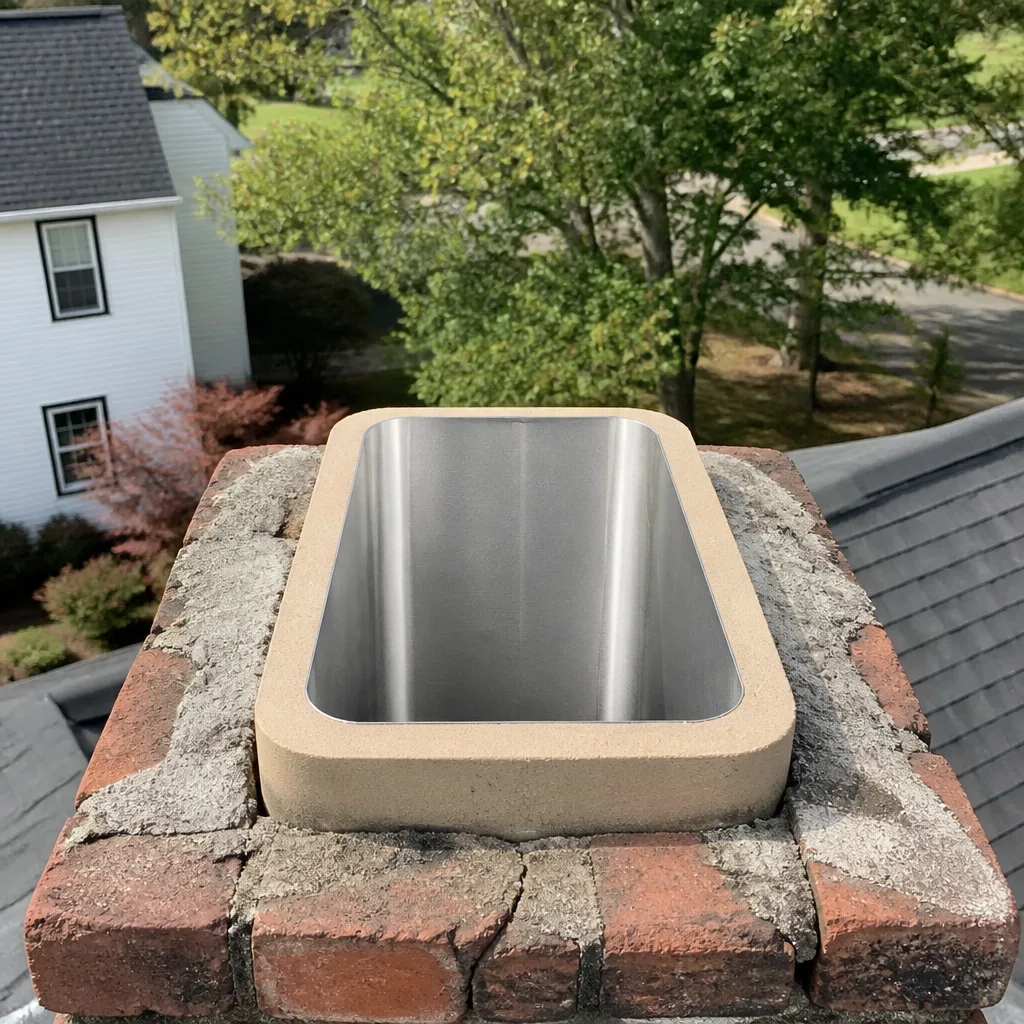
- Damaged or missing flue liner. A chimney serving a wood-burning appliance needs a continuous, undamaged liner. A liner that has cracked, separated, or fallen away is a code compliance issue, not a maintenance preference. This is where HeatShield liner resurfacing or a full DuraFlex flexible liner install comes in, depending on the extent of the damage.
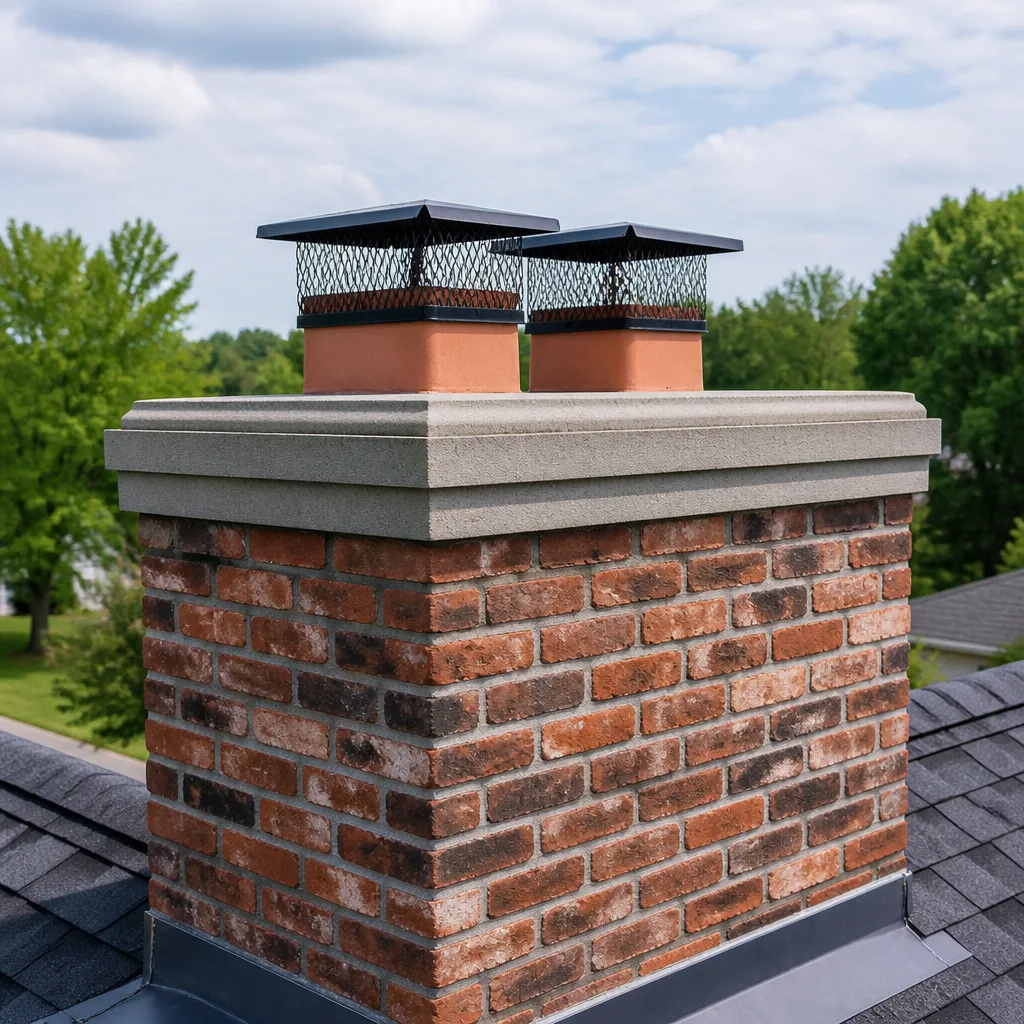
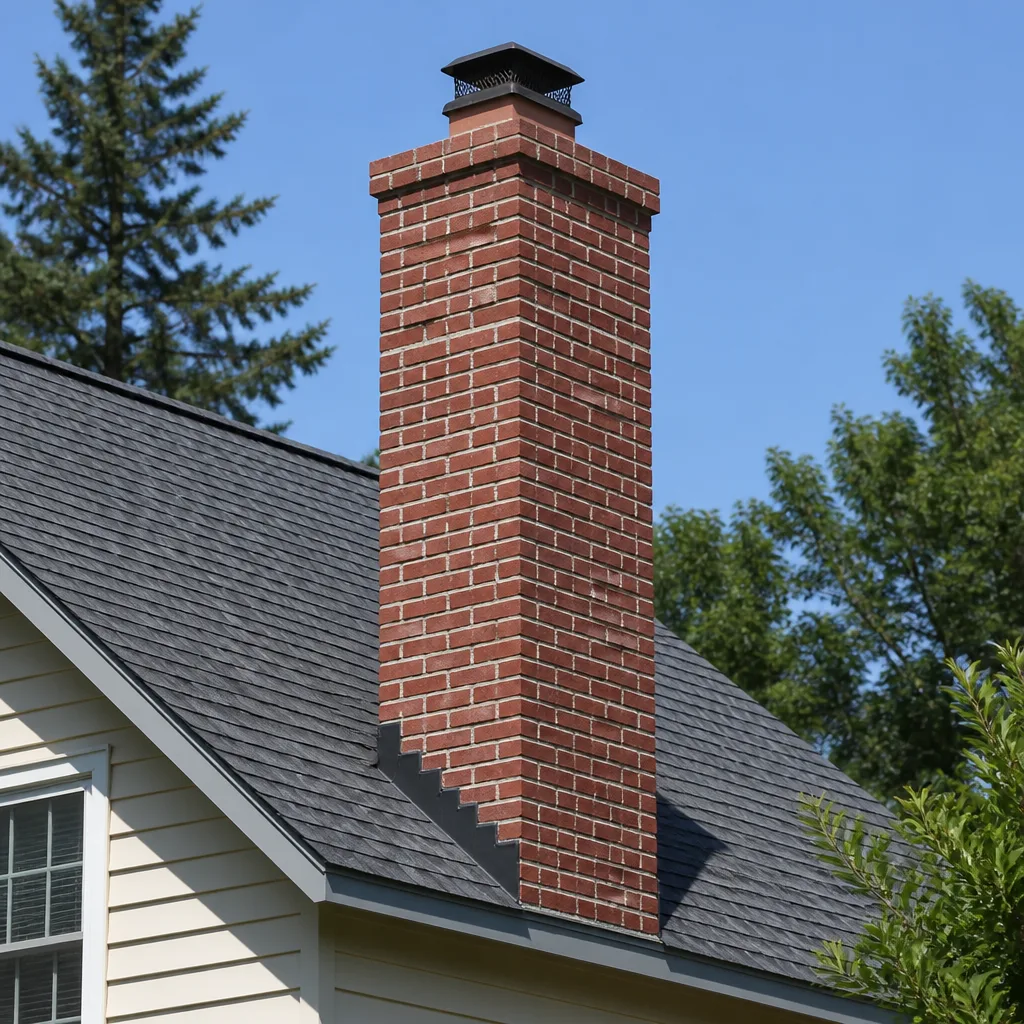
- Missing or inadequate chimney cap. An uncapped flue is an open path for rain, animals, and debris. Many installations also need a listed, properly sized cap to meet code and to keep the flue dry. Gelco and Famco caps are the manufacturer-grade products we install to spec.
- Cracked crown or deteriorated masonry at the flue top. A crown that no longer sheds water lets moisture into the masonry all winter. In some cases, the fix is sealing. In others, the crown has failed enough that replacement is the only workable option.
- Chimney separated from the structure. A chimney that’s pulling away from the house isn’t a cosmetic issue, and it’s rarely a simple maintenance item. That needs a structural evaluation.
- Unlined flue serving a wood appliance. An unlined flue is one of the classic code-triggering conditions. If you’re buying a home in Kent with an older fireplace, this is one of the first things to verify.
For Kent homeowners, the code question usually surfaces at two moments: buying or selling a home, and switching fireplace types. If you’re in either situation, ask your city’s building department for the current residential requirements and get a professional inspection that documents what’s actually there. Our page on chimney repair covers the common structural findings in this part of the state and what each one usually involves.
Sweep vs. Inspection: What Each One Actually Covers
Homeowners use these terms interchangeably, and that’s the source of a lot of confusing pricing conversations. A sweep and an inspection are different services, and the difference matters for what your chimney actually needs.
What a Sweep Covers
A sweep is a cleaning service. It removes creosote, soot, and debris from the flue and firebox so the chimney can be used safely. It’s the physical clearing of the passage. Most sweeps also involve a visual check while cleaning, because a technician who’s got a brush in the flue will notice obvious problems. But a sweep isn’t a documented inspection, and it doesn’t substitute for one.
What an Inspection Covers
An inspection is a documented evaluation of the whole chimney system: firebox, damper, flue and liner, cap, crown, flashing, and the exterior structure. The technician evaluates each component, records what they found, and gives you a written summary of any issues and their severity. In our experience, this is where the value sits. A lot of chimney problems are quiet. They don’t make noise, they don’t create smoke, and they don’t show up as a smell. A documented inspection catches them before they become expensive.
| Component | Included in Sweep | Included in Inspection |
|---|---|---|
| Flue and firebox cleaning | Yes | No |
| Creosote and soot assessment | Yes | Yes |
| Liner condition | Visual glance | Documented |
| Damper operation | Incidental | Documented |
| Crown and cap condition | No | Yes |
| Flashing and exterior | No | Yes |
| Written findings | No | Yes |
The practical upshot: for most Kent homes, you want both, and they pair naturally in a single visit. A chimney that gets swept without being inspected is cleaned for the season but evaluated only in passing. If you’re setting up a maintenance rhythm, a sweep plus a documented inspection once a year is the standard we recommend. For a closer look at which components need attention when, our chimney repair service page goes deeper into structural issues once they’re identified.
What a Full-System Chimney Professional Handles
A chimney is one system, but it’s several different trades pretending to be one. Cleaning it is different work from repairing it, which is different from capping it, which is different from relining it. When you’ve been burned before by a contractor who specialized in one piece and referred the rest out, that fragmentation is the problem to solve.
The full-system scope covers five core categories of work, and it’s genuinely useful to understand which category your chimney needs before anyone shows up:
- Sweep. Cleaning the flue and firebox of creosote, soot, and debris. The routine service in your annual rhythm.
- Inspection. A documented evaluation of every component, with findings you can read and compare against last year’s log.
- Repair. Structural work on the chimney itself: masonry, crown, flashing, liner, and flue. This is where product choices start to matter.
- Fireplace repair. Work on the firebox and the fireplace assembly: damper, firebox panels, grate, glass doors.
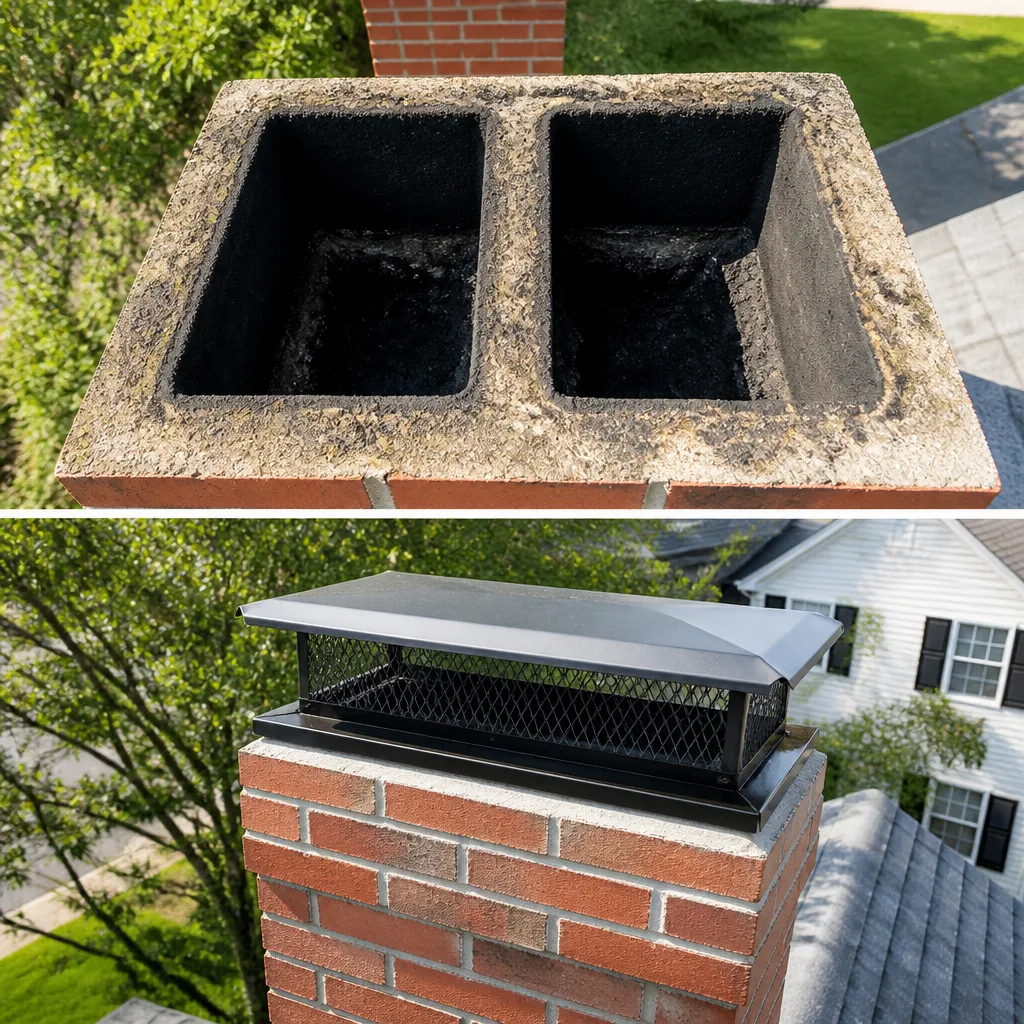
- Chimney cap and crown. The top of the system – the two components that keep water out of everything below.
Where material choices live: HeatShield liner resurfacing is a non-invasive alternative to full relining that can extend a chimney’s working life without the demolition cost of a full replacement. DuraFlex flexible liner systems handle older, irregular flues that rigid liners can’t serve, which is a real limitation for a lot of Kent homes with older chimneys. Gelco and Famco manufacture the cap and crown products we install to spec, and Olympia Chimney and Copperfield round out the professional-grade lineup. These aren’t big-box substitutes. They’re the same materials specified by chimney engineers, and they’re the reason a well-installed system lasts the next season and the next decade.
If you’re curious how the sweep fits into the rest of the list, our main Kent Chimney Sweep page walks through the full-service scope in more depth. The important point for a Kent homeowner working their way through this checklist: the sweep is a starting point, not a finish line. A swept chimney is one that can be used safely. A chimney with a proper cap, a sound crown, and a verified liner is one you don’t have to think about until the next inspection.
Common Mistakes to Avoid
- Waiting for the first cold snap to call. In Kent, the first cold stretch in October brings the same wave of calls across the whole region. Booking in August or September gets your chimney in order before the rush, and it gives you time to fix anything the inspection uncovers without rushing the repair.
- Skipping the sweep because you “burn clean wood.” Seasoned wood still produces creosote, just more slowly. The buildup is measured in years of fires, not in what kind of wood you’re burning, and the only way to know the level is to look.
- Treating a clean flue as a finished job. A swept flue with a cracked crown still lets water into the masonry all winter. Cleaning doesn’t protect the structure. Cap and crown work does, and skipping that step is what turns a small repair into a larger one two seasons later.
- Climbing on the roof to “just take a look.” A wet Kent roof in November is one of the least safe surfaces a homeowner can stand on. Ground-level visual walkarounds and professional inspections cover the roof-side checks safely. Leave the ladder alone.
- Not writing anything down. A homeowner who can’t answer “when was the last sweep?” or “has the crown crack changed?” has no way to help a technician spot a trend. Fifteen minutes of logging once a year makes every subsequent visit more useful.
- Assuming a damper that opens is a damper that works. A damper that opens but doesn’t seal is a chimney that leaks air and heat all year. If the drag test feels off, say so. It’s a cheap fix early and a replacement job later.
- Calling a sweep when you actually need an inspection followed by a repair. These are different services. A sweep cleans. A repair fixes. If the flue reveals damaged liner or a failing crown, a cleaning alone won’t fix it, and you’ll be back on the phone in a month.
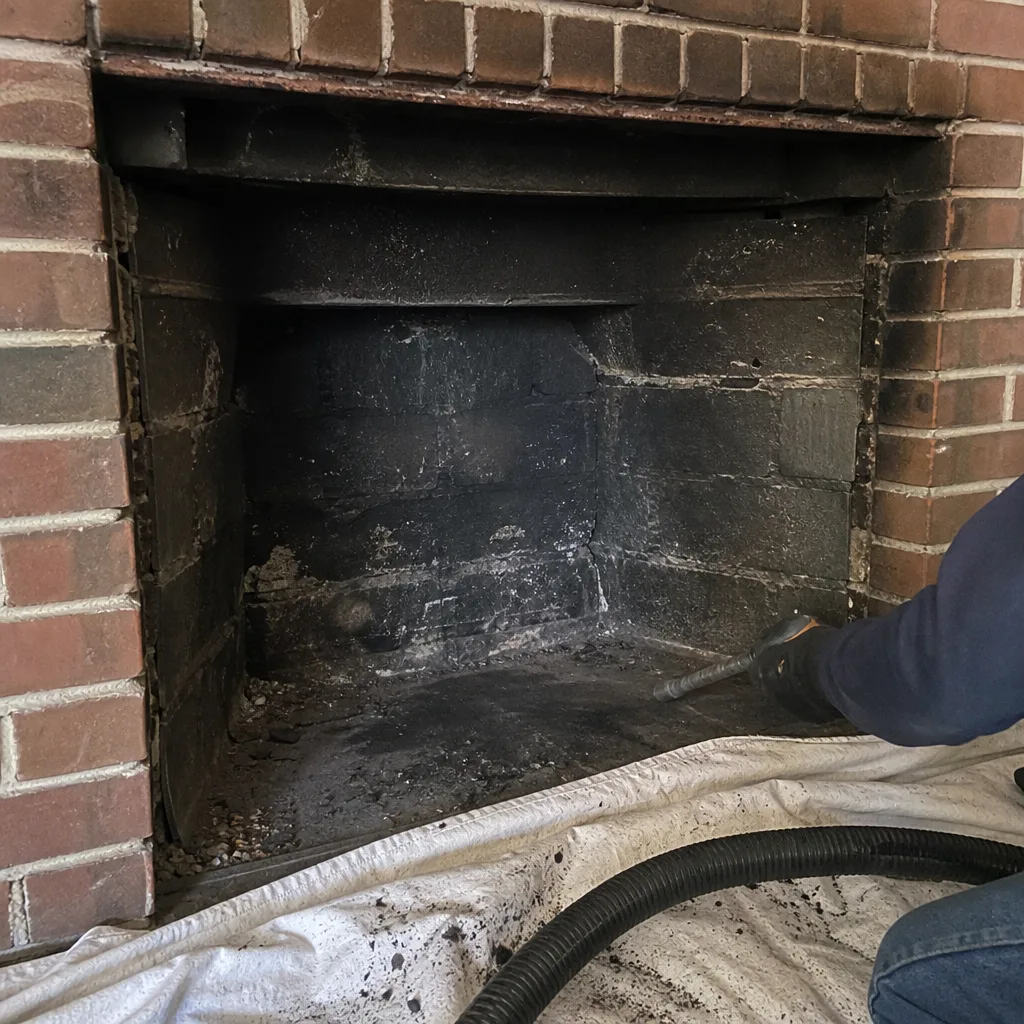
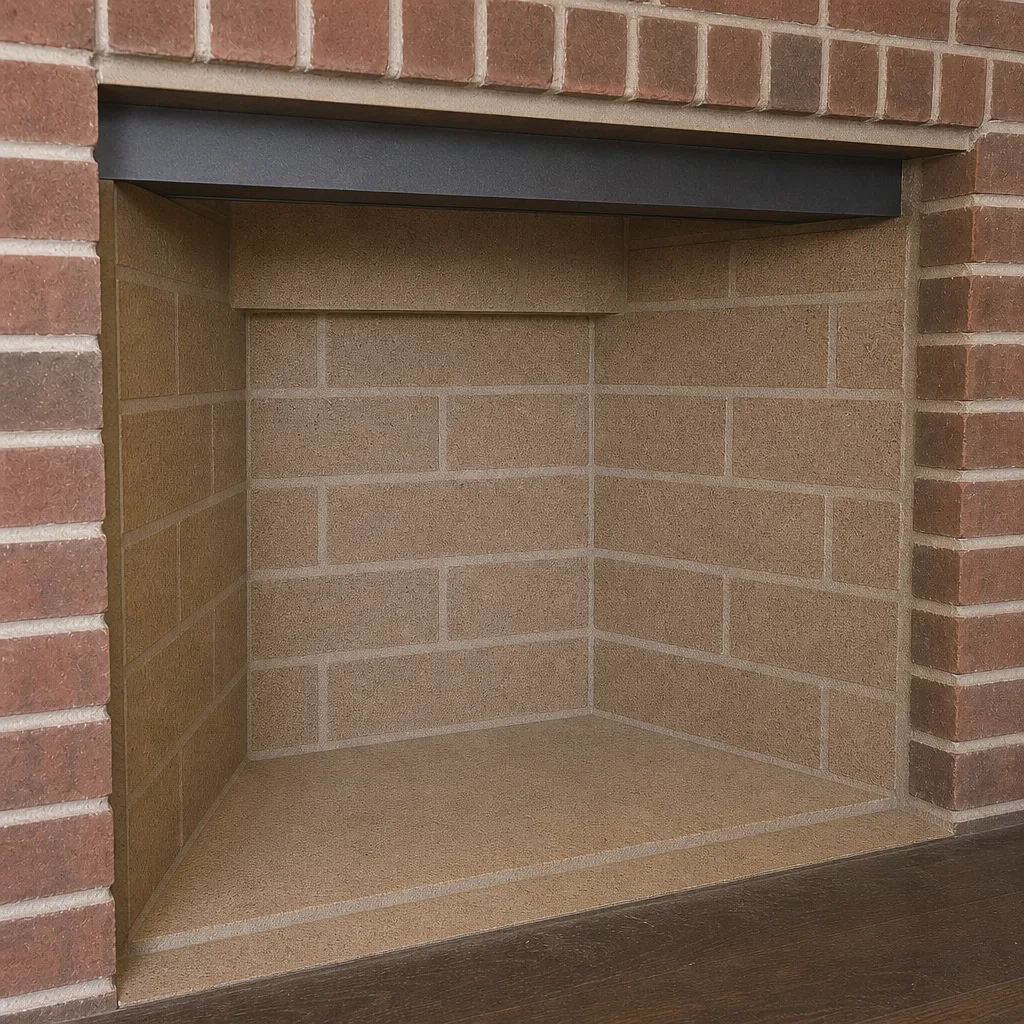
See the difference
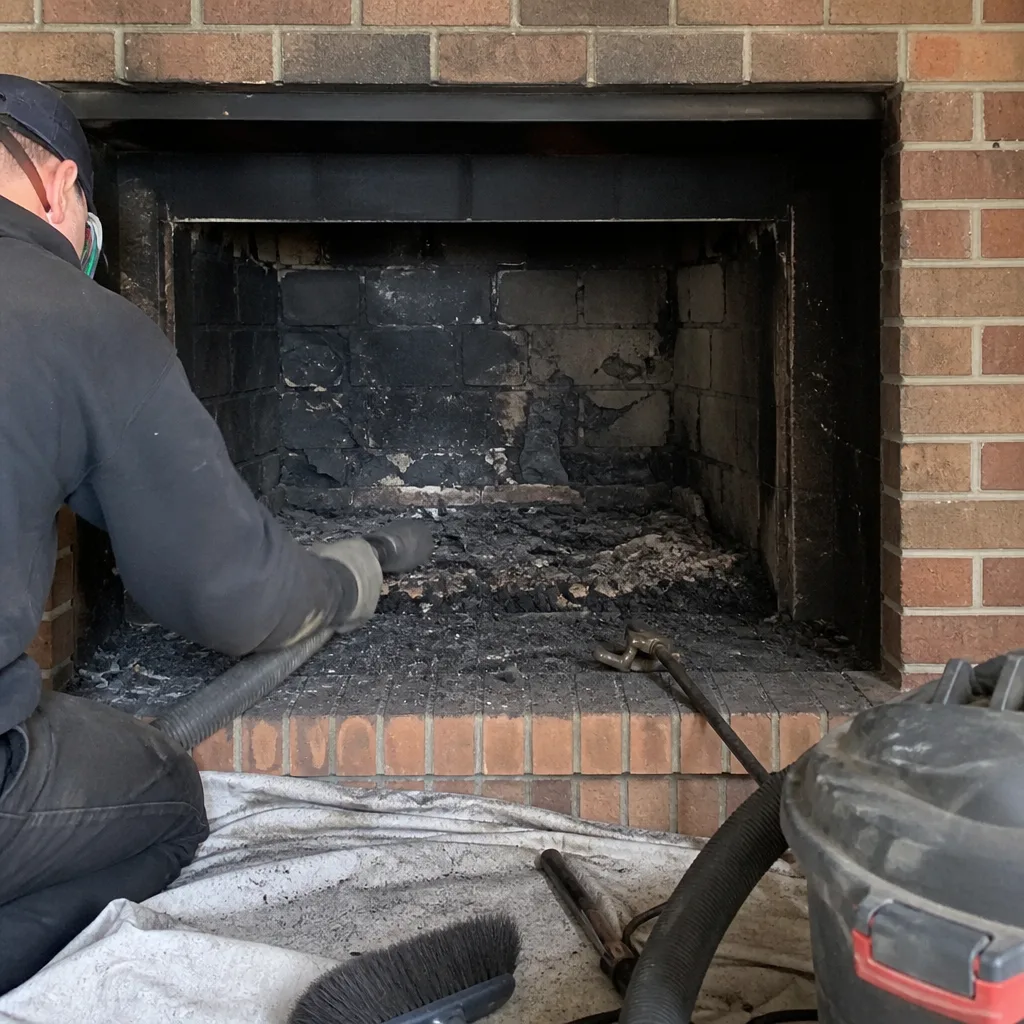 Before
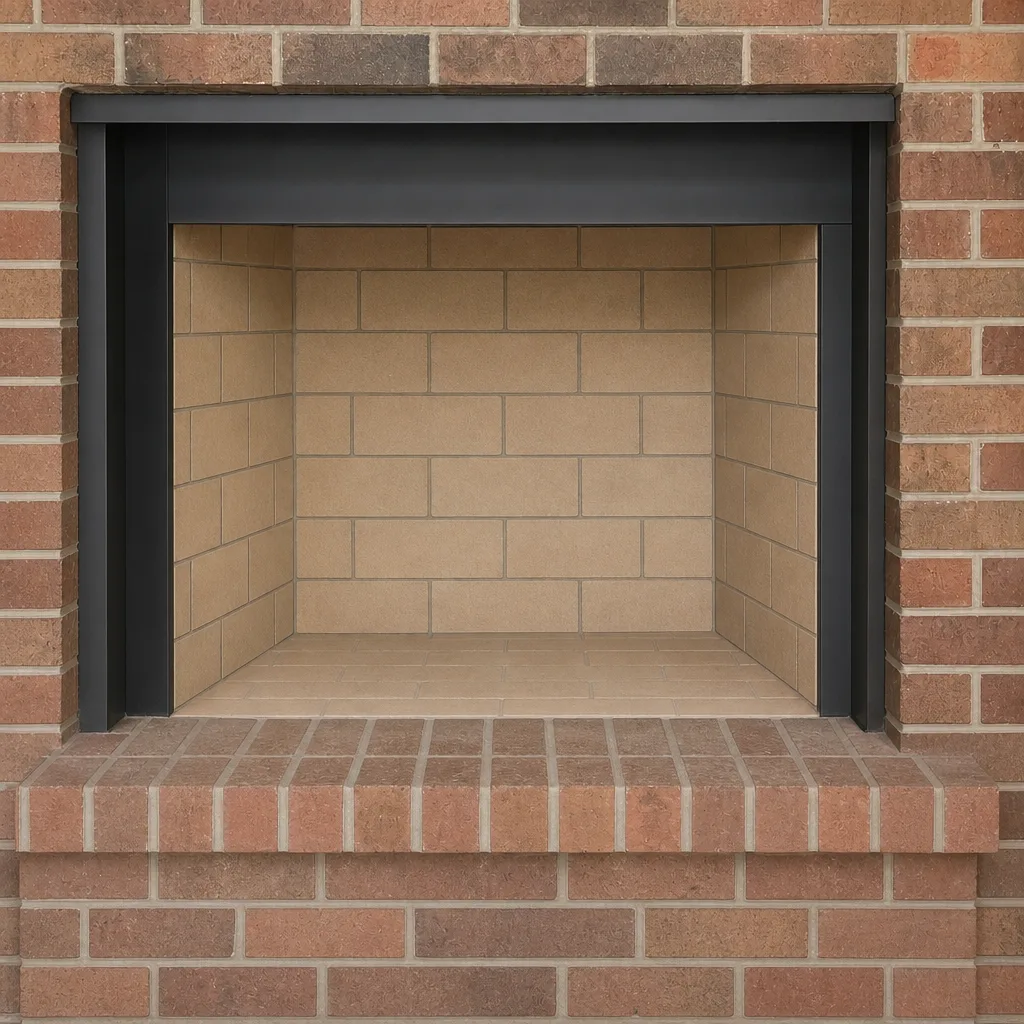 After
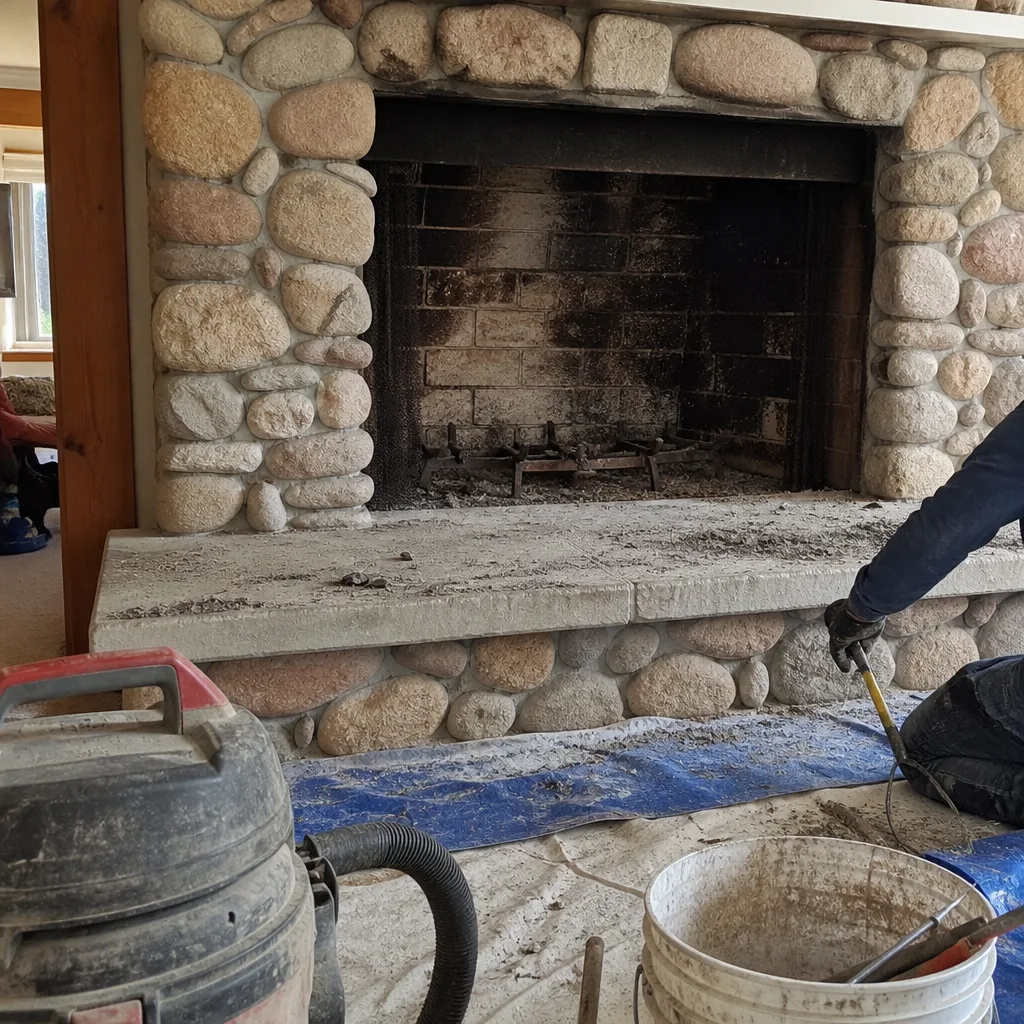 Before
 After
 Before
 After
When to Call a Professional
Some checklist items a homeowner can handle. Others are a professional call the moment they turn up. Get a professional involved if you find glazed or heavily crusted creosote during a mid-season flue check, if your damper drag has gotten noticeably worse, if the firebox mortar has cracked wide enough to fit a nickel, if you smell damp or smoke after rain, if the smoke test shows draft curling back into the room, or if the chamney crown shows cracks visible from the ground. Also call if you’re buying a Kent home with an older chimney and no documentation on file – an inspection is the right starting point. Kent Chimney Sweep offers free estimates in Kent. Call (855) 658-3498. We answer 24/7. Fast dispatch from 7am to 7pm, Sunday through Friday. Our technicians have up to 15 years of experience, and we tell you what we found before we tell you what it costs.
Frequently Asked Questions
Once a year for most households, ideally just before the burning season starts in October. That timing lets a sweep assess the flue after a full season of use and get you clean before the first fire. Households that burn more frequently, or burn slower-smoldering fires that produce more creosote, may benefit from an additional mid-season check. If you’re burning daily through the winter, ask during your pre-season visit whether a mid-season sweep makes sense for your usage pattern.
No. Even light use builds creosote, and the layer that matters isn’t the one you can see from the firebox – it’s the one that builds up in the upper flue where you can’t see it. Skipping a sweep also skips the inspection that comes along with it, and most chimney problems in Kent are found during that annual look rather than through any obvious symptom. Call (855) 658-3498 to schedule a pre-season visit.
Call a professional. A cracked crown lets water into the masonry all winter, and the damage compounds each season. During Kent’s dry months a crack can be sealed or the crown replaced outright, and it’s straightforward work. In the middle of the wet season, it’s a race against the weather. Get it on the schedule as early in the dry season as you can. Call (855) 658-3498 for an estimate.
Every year is the standard we recommend. Most chimney deterioration happens quietly – no smoke, no smell, no noise – and the annual inspection is the only way to see it early. A yearly documented inspection also builds the log that lets a sweep spot trends across seasons rather than starting fresh each call. If you’d rather do the inspection every other year, pair it with a sweep in between so you’re still looking at the flue annually. Call (855) 658-3498 to book either.
A cap is one of the highest-value components on the whole system. It keeps rain, snow, animals, and debris out of the flue, extends the working life of the liner, and prevents the moisture damage that leads to most masonry repairs. Gelco and Famco caps are the manufacturer-grade options we install to spec, sized to the actual flue opening. If your chimney doesn’t have one, it’s worth scheduling. Call (855) 658-3498 for an estimate.
A sweep cleans the flue and firebox of creosote and soot. An inspection is a documented evaluation of every component: firebox, damper, flue, liner, cap, crown, flashing, and exterior structure. They’re different services and most homes benefit from both each year, paired in a single visit. If your flue hasn’t been cleaned in a while, ask for a sweep and inspection together so the technician can evaluate the system after cleaning. Call (855) 658-3498 to schedule.
The Bottom Line
Chimney maintenance in Kent follows the local calendar more than the homeowner’s instincts. Inspect and sweep in September. Do the post-season interior checks in spring. Handle crown, cap, and masonry work over the dry months. Test the damper every month of the burning season – it’s the cheapest warning signal you have. And keep a log so each visit builds on the last instead of starting over. A cleaner chimney is a starting point; a well-maintained system is the finish line. We work on the whole system, not just the flue, and the materials we install are the same ones specified by chimney engineers. If it’s time to get your Kent chimney on a maintenance rhythm, we’re ready to help.
Call (855) 658-3498 for a free estimate. We answer 24/7. Fast dispatch from 7am to 7pm, Sunday through Friday. The price is set per job by the written estimate, and we tell you what we found before we tell you what it costs. If your chimney is overdue for a sweep, an inspection, or cap and crown work, get it on the schedule before the season turns.
Written by the team at Kent Chimney Sweep.