
Last updated November 25, 2026
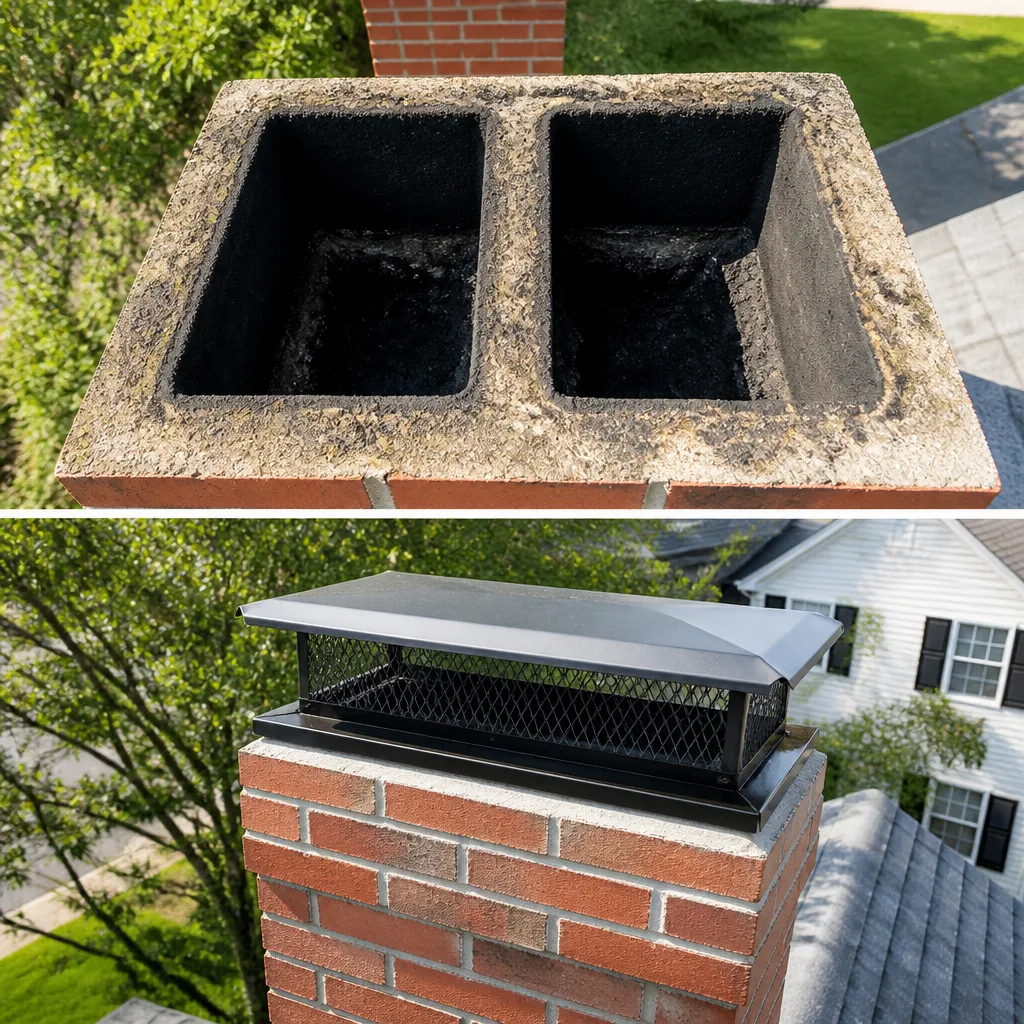 Sweep & inspection
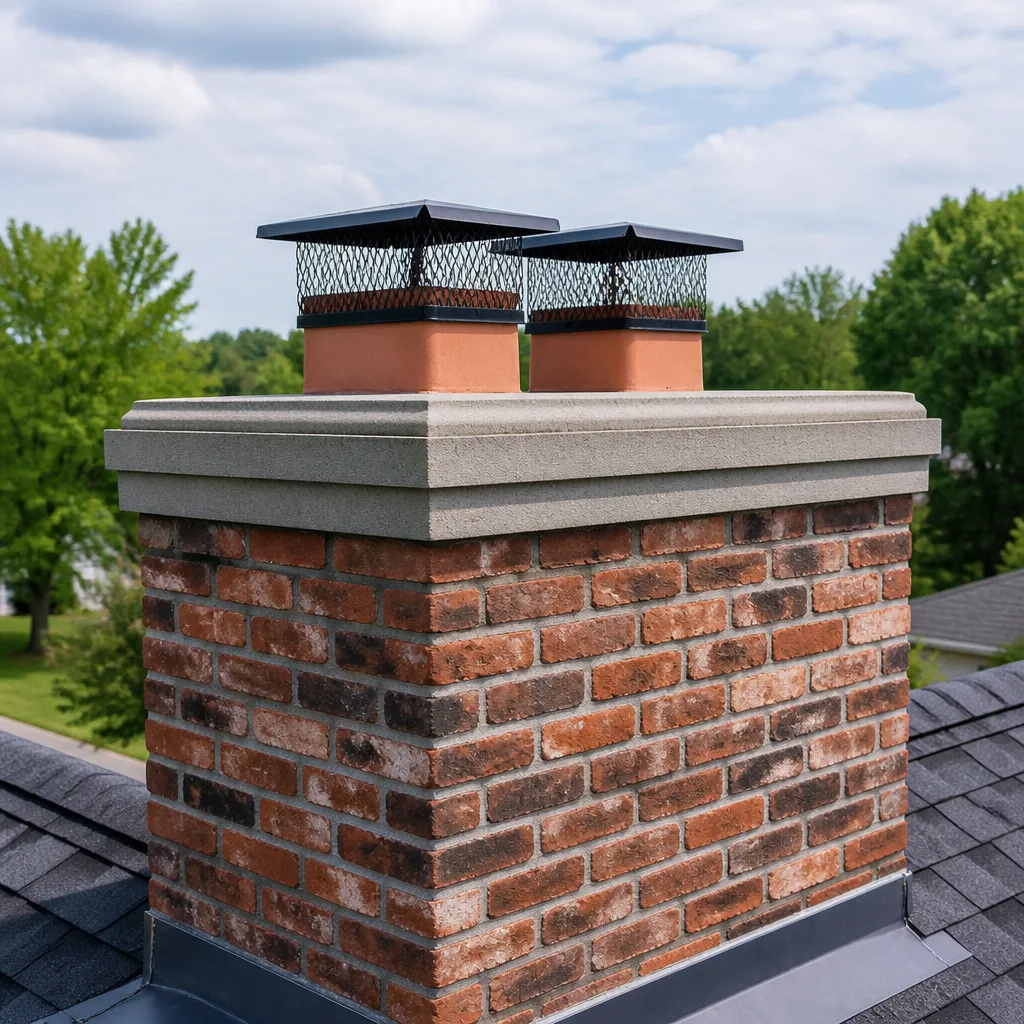 Caps & crowns
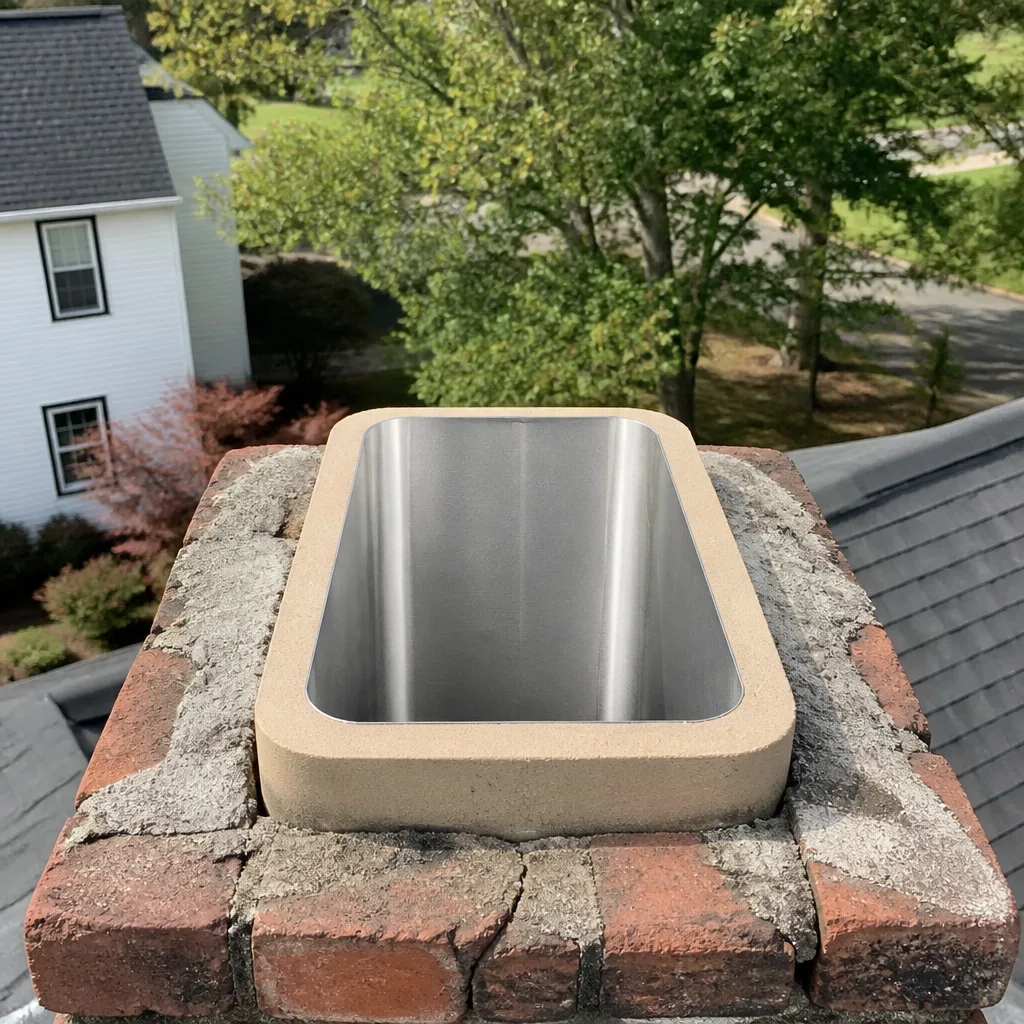 Flue relining
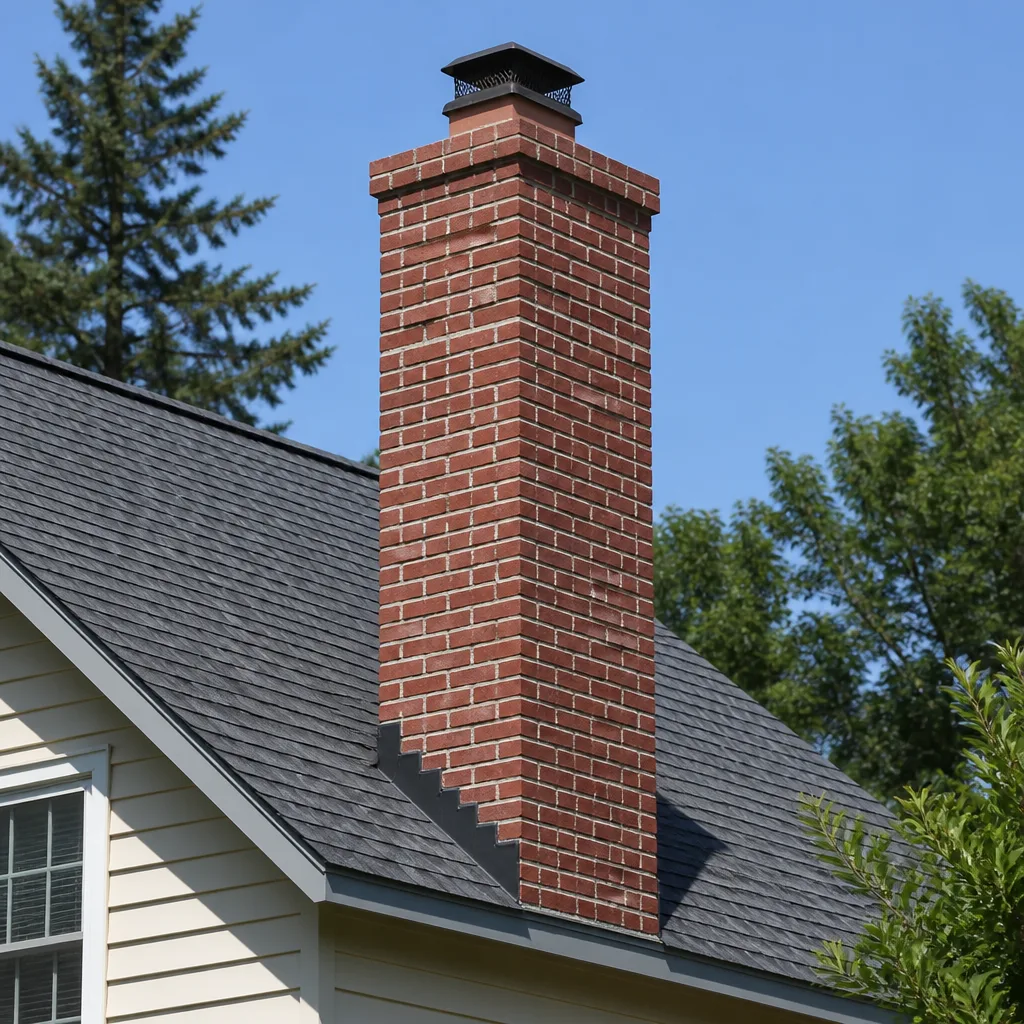 Masonry repair
 Gas fireplace service
Level 1 sweep and inspection to the NFPA 211 annual standard - flue, crown, cap, and flashing checked and photographed
Chimney sweep logs do not sweep chimneys. They loosen some creosote - which then falls where a brush and vacuum still have to collect it.
Chimney Sweep Troubleshooting in Kent: Common Problems and How to Fix Them
If smoke backs into your living room only on cold starts but clears after ten minutes, that’s not a dirty flue. That’s a cold-stack draft problem, and sweeping it won’t fix anything. Most homeowners in Kent call us convinced they need a cleaning when the real issue is pressure, moisture, or a cap that’s been letting rain in for years. A chimney is a system: firebox, flue, crown, cap, and the air in your house all work together. When one piece fails, the symptom shows up somewhere else. This guide maps the symptoms you can see and smell to the causes behind them, so you can tell a two-hundred-dollar fix from a two-thousand-dollar one before anyone climbs on your roof.
Quick Answer
Most chimney problems in Kent trace back to one of six causes: a cold flue that won’t draft in our damp Pacific Northwest air, a blocked or animal-nested flue, a damaged crown or missing cap letting water into the masonry, glazed creosote from smoldering fires, a cracked flue liner, or a house that’s sealed too tight to feed the fire enough air. You can safely check your damper, look inside the firebox, and note what your smoke and odors are telling you. Anything on the roof or inside the flue needs a professional with a camera and a draft gauge. A proper troubleshooting visit finds the cause before anyone quotes a repair.
Styles & brands we work with
- Sweep & inspection
- Caps & crowns
- Flue relining
- Masonry repair
- Gas fireplace service
Table of Contents
- Symptom Map: What Your Chimney Is Telling You
- Cold-Stack Draft: The Pacific Northwest Problem
- Reading Creosote: What Your Deposits Say About Combustion
- Water Stains, Odors, and the Crown and Cap Connection
- What You Can Safely Check Yourself vs. What Needs a Pro
- What a Real Troubleshooting Visit Looks Like
- Repair, Resurface, or Reline: Choosing the Right Fix
- Common Mistakes to Avoid
Symptom Map: What Your Chimney Is Telling You
Chimneys don’t fail silently. They give you a signal, usually weeks before anything serious happens. The trick is knowing which signal points to which part of the system. Here’s how we read the most common symptoms homeowners in Kent describe when they call.
- Smoke rolls back into the room on start-up, then clears. This is almost always a cold flue or a pressure problem, not a blockage. The flue is dense cold air that the fire has to push out before it can draft upward. A sweep won’t change it. What helps is preheating the flue, opening a nearby window a crack, and checking that the house isn’t running exhaust fans that pull air down the chimney.
- Smoke comes back the whole time the fire burns. That points to a real blockage, a flue that’s too small for the firebox, or a cap that’s been crushed or clogged. This one needs a camera inspection.
- A sharp, acrid smell in summer or on warm days. That’s creosote off-gassing, often with a bit of moisture mixed in. It’s a sign deposits have built up and the flue is drawing damp air from outside.
- A musty, earthy smell, worse after rain. Water is getting in somewhere. Usually the crown or the cap, sometimes flashing at the roofline.
- White chalky stains on exterior brick. That’s efflorescence, minerals pushed out by moisture moving through the masonry. It’s a water problem, not a cosmetic one.
- Dark streaks below the cap or down the exterior. Soot or tar washing out of the flue. Often means a cracked flue tile or heavy glazed creosote.
- Rust on the damper or firebox metal. Condensation, usually from a flue that stays cold and damp between fires. Common in Kent’s wet winters.
Two or three of these together tell a story. A musty smell plus efflorescence plus a rusted damper points to a crown or cap failure letting water in, not a cleaning issue. Smoke rollback on cold starts plus a smell of exhaust in the room points to pressure, not blockage. When you can match the symptom to the cause, you stop paying for the wrong fix.
Cold-Stack Draft: The Pacific Northwest Problem
Cold-stack draft is the single most misdiagnosed chimney problem in Kent, and it’s a direct result of our climate and how our homes are built. Here’s what’s happening. A masonry chimney is a heavy column of brick and clay tile that stays cold and damp through our long wet season. When you light a fire, you’re asking the fire to push that cold, dense air out of the flue before it can establish an upward draft. In summer, the flue is closer to the outdoor temperature and lights easily. In a wet January, the flue could be thirty degrees colder than the room, and the fire just can’t push through it on the first ten minutes. Add a tightly sealed modern home and the problem gets worse: your house is so airtight that the only place for air to come in is down the chimney, so the smoke has nowhere to go but into the room.
The fix is not a sweep. Cold-stack is a draft problem, and it needs a draft solution.
- Preheat the flue before you light. Roll up a sheet of newspaper, light it near the open damper, and hold it there for thirty seconds to warm the flue air. It sounds fussy, but it works on the majority of cold-start complaints we hear about in Kent.
- Crack a window on the same side of the house. That gives the fire a fresh air source and stops the chimney from pulling air down from a leaky attic or a dryer vent.
- Turn off exhaust fans while lighting. Bathroom and kitchen fans, and a clothes dryer running, all compete for the same air. On a tight house, they can beat the chimney.
- Check your damper is fully open. A damper that’s stuck three-quarters open is a cold-stack problem disguised as a dirty flue.
- Have a pro test the draft. If preheating helps but the problem keeps coming back, the real fix could be a taller flue, a different cap, or in older homes an outside air source for the firebox.
We work on the whole system, not just the flue, so when we test a cold-stack complaint we look at the cap, the crown, the firebox opening, and the house’s air balance together. A chimney visit for a cold-stack problem in Kent should always include a smoke test or a draft gauge reading, not a guess.
Reading Creosote: What Your Deposits Say About Combustion
Creosote is the tar-and-soot residue left when wood burns incompletely, and the type of creosote in your flue is a diagnostic signal, not just a cleaning problem. Chimney sweeps categorize deposits by stage because the stage tells you how the fire has been running and how hard the flue will be to clean. In Kent, where damp wood is common because homeowners stack firewood outside through the rainy season, we see more glazed creosote than you’d expect for a mild climate.
- Stage one: dry, flaky, soot-like. Easy to brush off. It means the fire is burning reasonably hot and the wood is reasonably dry. Regular annual cleaning keeps this under control.
- Stage two: crusty, flaky but with a harder tar layer underneath. Fire is running a bit cool, wood may be a little damp, or the fire is being dampered down too much at night.
- Stage three: glazed, shiny, tar-like. The dangerous stage. It coats the flue like varnish, brush bristles barely touch it, and it ignites at a lower temperature than the dryer deposits. This is the stage tied to chimney fires, and it needs a chemical treatment or mechanical removal, not a routine sweep.
If you’re seeing glazed creosote, the fix isn’t just a cleaning. It’s a change in how you burn, plus a proper removal. Here’s what a sweep looks for that tells you your fire is running cool:
- Wood hissing or bubbling at the ends when it first goes on. That’s moisture. Seasoned wood is under twenty percent moisture and shouldn’t hiss.
- Smoke curling down at the top of the firebox when the fire is burning. That means the fire is starved for air or the flue is too cool.
- A glass door sooting up black on the inside within an hour. Combustion isn’t hot enough.
- Large, lazy flames with a lot of smoke. You want bright flames with very little visible smoke above the fire.
Our technicians have up to 15 years of experience reading deposits, and the deposit stage shapes the whole visit: sweep alone, sweep plus chemical treatment, or a full inspection to check for flue damage underneath. If a sweep tells you it’s glazed creosote and then brushes it for thirty minutes and leaves, they haven’t solved anything. Glazed deposits need a specific treatment plan.
Water Stains, Odors, and the Crown and Cap Connection
Water is the most common cause of chimney damage we see in Kent, and it almost always enters at the top. The crown is the concrete slab across the top of the chimney that sheds water off the brick. The cap is the metal or mesh cover that sits over the flue opening. When either one fails, water runs down the inside of the flue or soaks through the brick, and by the time you see it at the bottom, it’s been working its way down for a season.
Here’s what to look for from the ground:
- A crowned or cracked crown. Any split across the concrete lets water into the top of the brickwork. Freeze-thaw over a wet Kent winter opens the crack wider each season.
- A missing, rusted, or damaged cap. Rust holes let in rain and, worse, let in birds and squirrels. Famco and Gelco cap and cover products are the brands we install to spec, because a cap that clips on loosely doesn’t stop water or animals.
- Efflorescence or spalling brick. White powdery stains mean moisture is passing through the masonry. Spalling brick is when the face of the brick flakes off. Both are water problems that get worse with each rainy season.
- A musty smell in the firebox in summer. That’s damp air moving up from a wet flue or a wet smoke chamber. In a wet Kent summer it can smell genuinely unpleasant.
- Staining on the ceiling next to the flue. Water traveling down the outside of the flue. It could also be a flashing failure where the chimney meets the roof.
The key insight most homeowners miss: a bad crown and a missing cap don’t just cause a water problem, they cause a cost problem that compounds. A cracked crown lets water into the masonry all winter, and repeated freeze-thaw cycles delaminate the brick from the inside. What could have been a crown repair becomes a rebuild. In Kent, our wet climate makes this a seasonal certainty, not a maybe. We install Gelco and Famco caps to spec and rebuild crowns properly sloped to shed, because capping and crowning is the single highest-value repair per dollar you can make on a chimney.
What You Can Safely Check Yourself vs. What Needs a Pro
We want homeowners to know their own chimney, but we also want them to stay off ladders and out of flues. Here’s the honest line, in our experience.
Safe for you to check
- The damper. Open and close it. Does it move freely and seat properly when closed? A damper that doesn’t close all the way is a leak and a cold-stack cause. A damper that’s stuck open wastes heat all winter. Simple to check, safe to look at.
- The firebox interior. Shine a flashlight in. Look for cracked firebrick, crumbling mortar joints, or rusted metal. This is safe to inspect visually and very useful to know before you call anyone.
- The smoke shelf and smoke chamber. Look up into the firebox with a flashlight. You can see the smoke shelf. Heavy soot buildup here is common and tells you about the fire’s burn quality.
- Exterior from the ground. Binoculars are your friend. Look for cracked crown, damaged cap, leaning chimney, stained brick, or missing mortar. You can see the whole chimney from the ground with a decent pair of binoculars and save yourself a phone call if nothing looks wrong.
- The woodpile. Check the wood. Split it and check moisture. Seasoned wood is darker inside, dry to the touch, and light to lift. Wet wood is heavier and hisses on the fire.
Needs a trained professional
- Anything on the roof. Ladders, steep pitches, and wet shingles are the leading cause of homeowner falls during chimney work. No repair is worth a fall.
- Anything inside the flue. Brush, camera, and chemical treatments all happen inside the flue. You can’t see glazed creosote or a cracked tile from the firebox without a camera.
- Draft testing. A proper draft test uses a smoke test or a manometer and tells you what’s happening inside a flue you can’t see. It’s a diagnostic tool, not a DIY step.
- Any repair involving the crown, cap, liner, or firebox rebuild. These are structural repairs on a component that handles fire and carbon monoxide. Compromised work here is genuinely dangerous. A liner that fails to contain a flue fire, or a crown that lets water into a firebox, is not a small problem.
- Any smoke or carbon monoxide alarm triggered by the fireplace. Turn the fire out, open the windows, and call. Do not keep burning.
The bottom line: you can diagnose the symptom safely, and often narrow down the cause. You can’t do the fix safely without training and equipment, and the risk isn’t just cost, it’s fire and carbon monoxide. If a firebox is cracked or a flue tile is failed, burning a fire in it is genuinely unsafe.
What a Real Troubleshooting Visit Looks Like
A troubleshooting visit is different from a routine sweep. A routine sweep cleans and inspects. A troubleshooting visit starts with a complaint and works backward to a cause. If a technician arrives, sweeps for twenty minutes, and tells you what you need without showing you why, that’s not troubleshooting. Here’s what a proper visit should involve.
- Listening first. We ask what symptom brought you to call, when it happens, whether it correlates with cold weather, wind direction, or rain. That conversation narrows the cause before anyone opens a flue.
- A visual inspection of the firebox, damper, and smoke chamber. Flashlight and mirror, looking for cracks, gaps, and creosote patterns.
- A camera inspection of the flue. A camera goes down the flue and shows you what’s actually there. Glazed creosote, broken tiles, animal nests, voids in mortar, a liner that’s failing at a joint. You see the picture on the monitor with the technician.
- A draft test or smoke test. We check the draft with the pressure the fire actually fires under, and diagnose the cold-stack cases that a sweep alone can’t touch.
- An exterior check from the roof. Crown, cap, flashing, and mortar joints are checked on the roof.
- A written summary of what we found. The findings go in writing, with a photo report and a recommendation. We tell you what we found before we tell you what it costs.
A proper troubleshooting visit takes longer than a sweep, and it’s worth it. The difference between a good visit and a rushed one is whether you walk away knowing what’s happening in your flue. If the diagnosis is a full liner or masonry rebuild, we want you to know why, with the camera evidence in front of you, so you can trust the recommendation. This is what we do in Kent: we work on the whole system, not just the flue, so a single visit covers the sweep, the inspection, the flue condition, and the top-of-chimney issues that let water in.
For a baseline check on the sweep itself, our chimney sweep service covers the clean, the visual inspection, and the photo report. If you need to compare what a real visit looks like before you book, that page lays it out.
Repair, Resurface, or Reline: Choosing the Right Fix
Once you know what’s wrong, the question is what fixes it without replacing the whole chimney. Here’s how the repair decision breaks down.
- Cracked crown. Rebuild the crown. A proper crown is sloped to shed water and sealed at the edges. Small fix, huge payoff in a wet climate.
- Missing or damaged cap. Install a proper cap. Gelco and Famco caps and covers are spec-grade products, not generic hardware-store mesh. A quality cap keeps water, birds, and debris out for years.
- Dry soot and soot deposits, flue intact. Routine sweep. That’s the clean.
- Glazed creosote, flue structurally sound. Chemical treatment and mechanical removal. If the flue tiles are intact but the surface is pitted, liner resurfacing is often the fix rather than a full reline.
- Cracked or deteriorated flue tiles, but mortar joints mostly intact. HeatShield liner resurfacing. This is a non-invasive option that extends chimney life without a full demolition cost. We’re HeatShield-certified, and for a lot of older Kent homes it’s the right answer.
- Failed or missing liner, or irregular older flue. Full reline. DuraFlex flexible liner systems are the right call for older, irregular flues that rigid liners can’t serve. That’s a capability many local competitors lack, and it matters in Kent’s older housing stock.
- Cracked firebox, damaged firebrick. Firebox rebuild. This is a separate job from the flue and belongs in our fireplace repair workstream.
The right answer is never “reline because the technician prefers relining.” The right answer is the one the camera evidence supports. We install and work with DuraFlex, HeatShield, Olympia Chimney, Famco, Gelco, and Copperfield because they’re the professional-grade brands that certified chimney engineers specify. When we recommend a fix, we name the product and the reason so you can judge the recommendation for yourself. If your flue is failing at the joints and the tiles are shot, we’ll tell you. If it’s a cracked crown and a badly seated damper, we’ll tell you that too, and you’ll save the difference.
For structural repair that goes beyond the flue, our chimney repair page covers crown rebuilds, mortar work, and liner installation in more detail. If you want the broader picture of how a sweep, inspection, and repair fit together, the overview on our Kent Chimney Sweep home page covers the five core services.
Common Mistakes to Avoid
- Treating smoke rollback as a cleaning problem. If smoke rolls back on cold starts and clears, sweeping won’t fix it. The cause is cold-stack or pressure, and a sweep who doesn’t test the draft will take your money and leave you with the same problem next winter.
- Burning wet wood to “get through” the season. Wood stacked uncovered through a Kent rainy season holds moisture, burns cool, and deposits glazed creosote. Season it under cover, and test a split piece for moisture before it goes on the fire.
- Ignoring a cracked crown because it’s “just cosmetic.” A cracked crown lets water into the masonry all winter. The repair is small compared to a rebuild. In our wet climate the crack never has a chance to heal itself.
- Installing a big-box hardware-store cap. A cap that clips on loosely doesn’t stop water or wildlife, and often fails in the first storm. Install a spec-grade cap from a real manufacturer. We install Gelco and Famco to spec for exactly this reason.
- Dampering the fire down to save wood. Shutting the air down at night saves wood and smolders the fire, and smoldering fires are the leading cause of glazed creosote. You trade a little wood for a much bigger cleaning bill later.
- Relying on a chimney that’s never been camera-inspected. A torch and a mirror can’t see inside the flue. If your chimney has a firebox that looks fine but you’ve never had a camera inspection, you don’t know what’s in it, and neither does anyone else.
- Burning fires after a chimney fire and hoping it’s fine. A chimney fire can crack the flue tile without any sign at the top. Reigniting a fire before an inspection is a real carbon monoxide risk. Have the flue inspected before the next fire.
See the difference
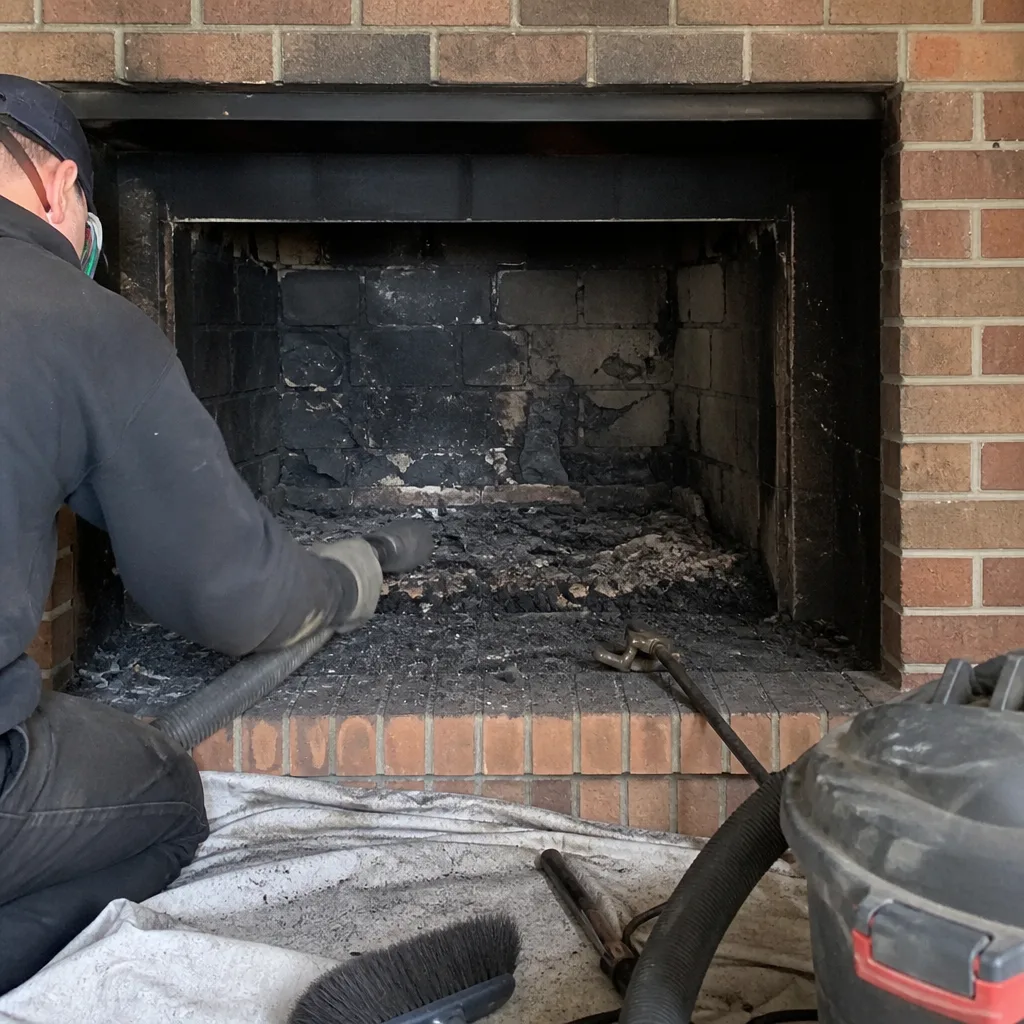 Before
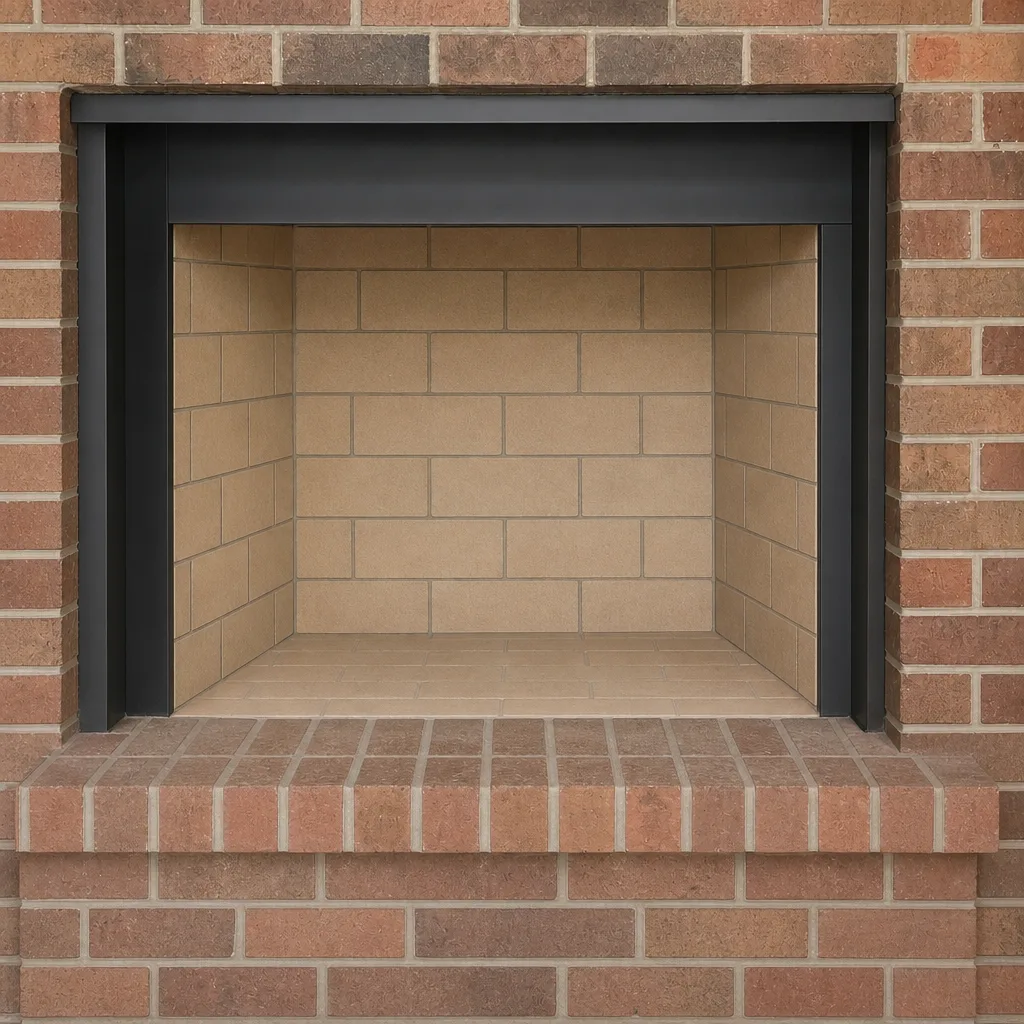 After
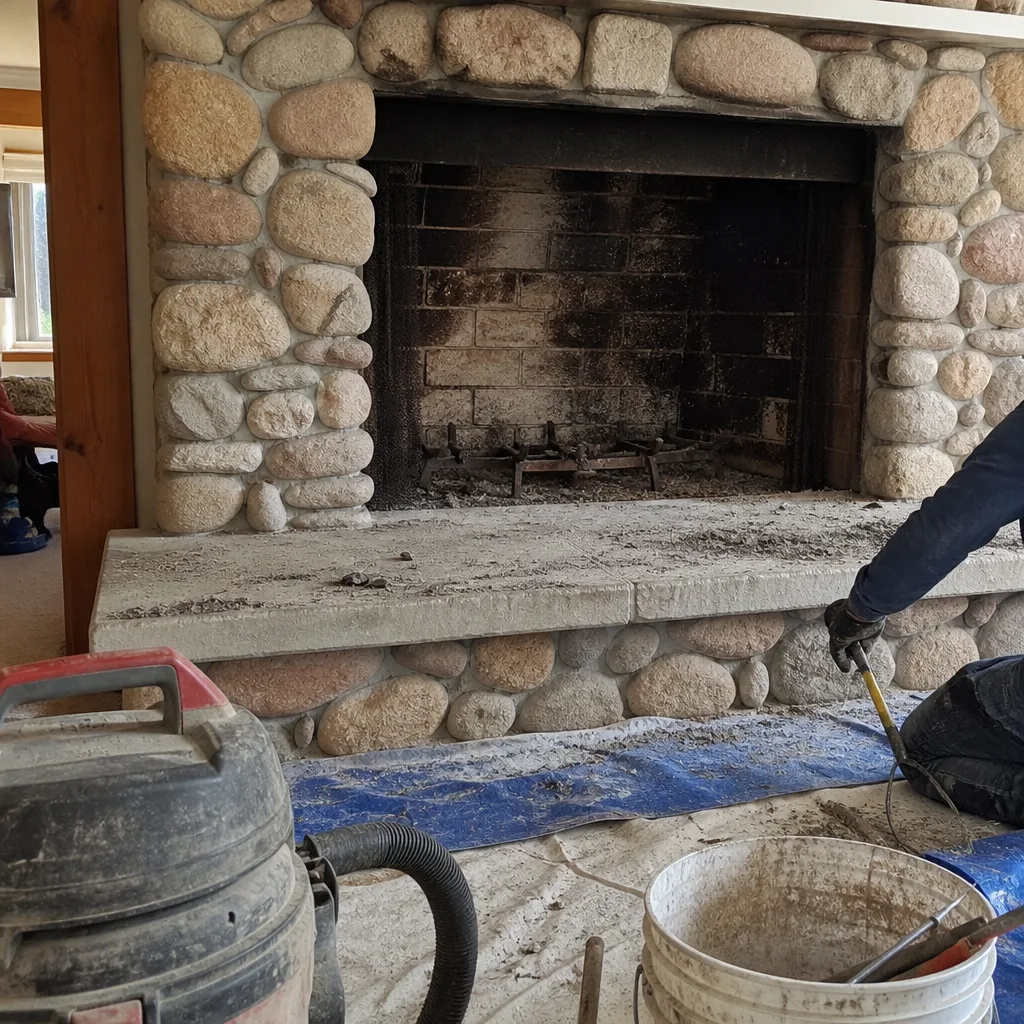 Before
 After
 Before
 After
When to Call a Professional
Call a professional if you’re seeing any of the following: smoke that enters the room while a fire is burning, a smell of exhaust or smoke in the house when no fire is lit, white staining or spalling on exterior brick, dark streaks below the cap, rust on the damper, or any smoke or carbon monoxide alarm triggered by the fireplace. Call if your chimney hasn’t been inspected and you can’t remember the last time it was swept. Call before you light the first fire of the season if you haven’t had the flue looked at. And call if a previous “repair” needs a second pair of eyes, because a camera inspection gives you the evidence to check the recommendation. Kent Chimney Sweep offers free estimates in Kent. Call (855) 658-3498. We answer 24/7, with fast dispatch from 7am to 7pm, Sunday through Friday.
Frequently Asked Questions
Once a year if you burn regularly, and at least once every couple of years if you rarely use the fireplace. In Kent’s wet climate, a flue that sits unused all summer draws damp air and can develop deposits and moisture problems even with light use, so the annual check is worth keeping even in a low-burn year. A sweep is a starting point, not a finish line, and the annual visit is where a technician catches a crown or cap problem before it becomes a rebuild.
That’s cold-stack draft, not a dirty flue. The flue is full of cold, dense air that the fire has to push out before it can establish upward draft, and in a tightly sealed modern home the problem is worse because air can only come down the chimney. Preheating the flue with a lit roll of newspaper and cracking a window on the same side of the house helps most cases. If the problem persists after that, a professional should test the draft, because it’s the fix, not the sweep, that’s needed.
It depends on the diagnosis. A routine sweep and inspection is at the low end; a crown rebuild or a cap installation is a mid-range repair; a full reline or firebox rebuild is the high end. We don’t quote a price until we’ve seen inside the flue, because the camera evidence is what sets the recommendation. Call (855) 658-3498 for a free estimate, and the estimate is written so you can compare the products and the work.
That comes down to the condition of the flue. If the flue tiles are cracked or deteriorated but the mortar joints are mostly intact, HeatShield liner resurfacing is often the right call, and it’s a non-invasive option that extends chimney life without the cost of a full demolition. If the lining is failed, or the flue is an older irregular shape that a rigid liner can’t serve, a DuraFlex flexible liner is the better fit. The camera inspection tells you which, and we show you the evidence before recommending either.
Yes, that’s stage-three glazed creosote, and it’s the deposit associated with chimney fires. It ignites more easily than the flaky stages and it’s harder to remove. A routine brush won’t clear it, so it needs chemical treatment or mechanical removal, and it’s a signal that the fire has been running cool. Never burn a fire in a flue you know has a heavy glazed deposit. Have it inspected and treated before the next fire.
You can check your damper and look inside the firebox safely, but cleaning and inspecting the flue requires working on the roof and inside the flue. The risk isn’t just a bad cleaning, it’s a fall or a missed cracked flue tile. A missed crack is a carbon monoxide and chimney fire risk, and a homeowner can’t see it without a camera. The safe split is: you check, we clean and inspect with the camera.
The Bottom Line
Most chimney problems in Kent start small and announce themselves clearly: smoke on cold starts, a musty smell in summer, white stains on the brick, rust on the damper. Each symptom points to a different part of the system, and the fix is only as good as the diagnosis. The cost of stopping at a sweep when the real problem is a cold-stack draft, a cracked crown, or glazed creosote is a bigger repair next season. Our approach is the one this guide walks through: find the cause with a camera and a draft test, show you what we found, then recommend the fix the evidence supports. If a repair can safely wait, we’ll tell you. If the flue is a genuine hazard, we’ll tell you that too, and why. A swept chimney is a starting point, and a chimney that’s swept, inspected, capped, and crowned is one that’s built to last the next season and the next decade.
Call Kent Chimney Sweep at (855) 658-3498 for a free estimate. We answer 24/7, with fast dispatch from 7am to 7pm, Sunday through Friday. Written by the team at Kent Chimney Sweep.