
Last updated November 25, 2026
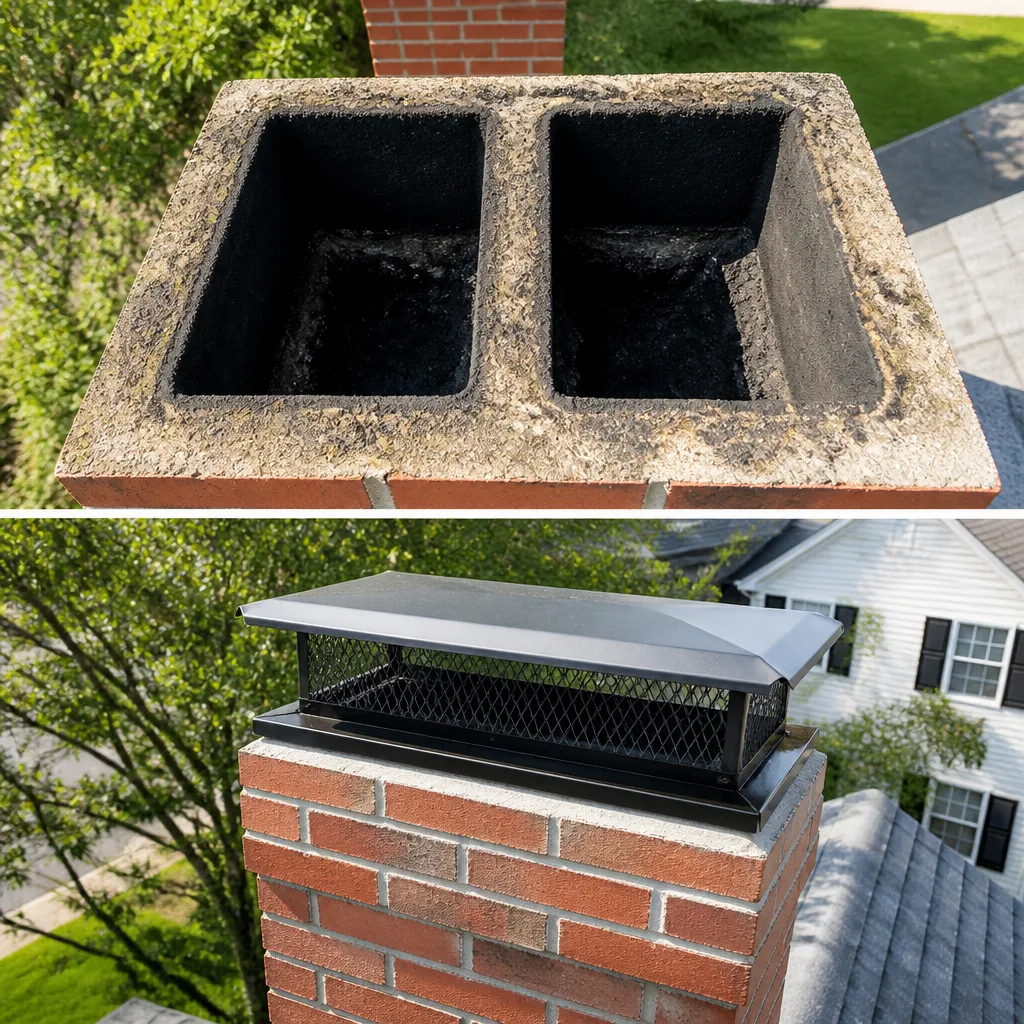 Sweep & inspection
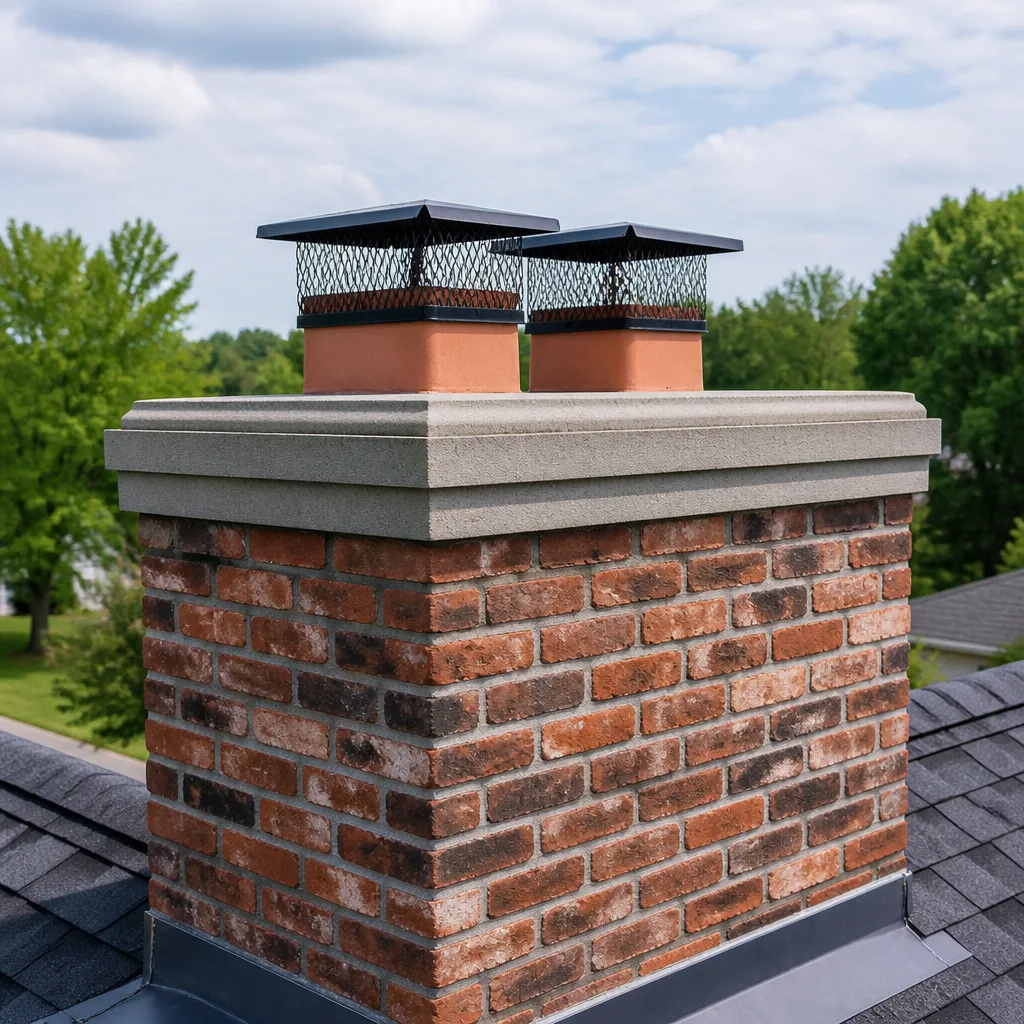 Caps & crowns
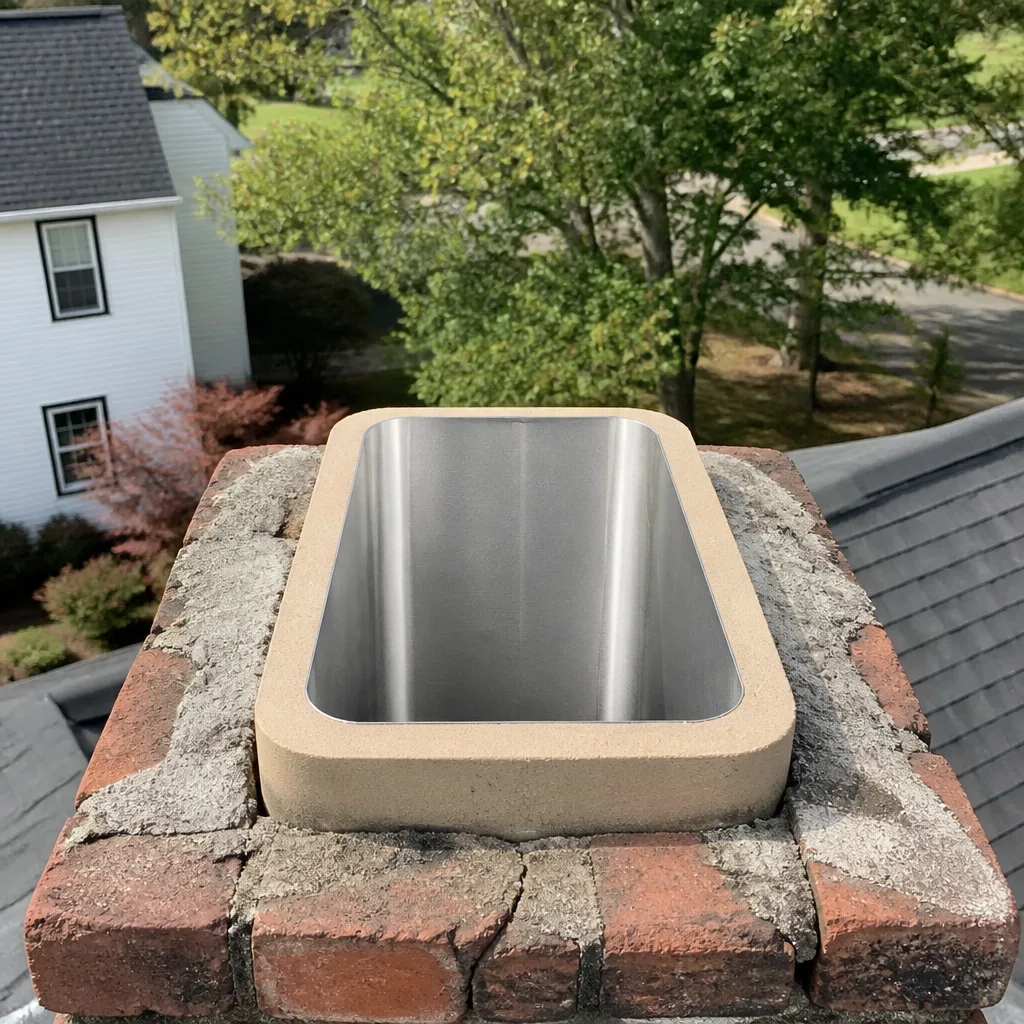 Flue relining
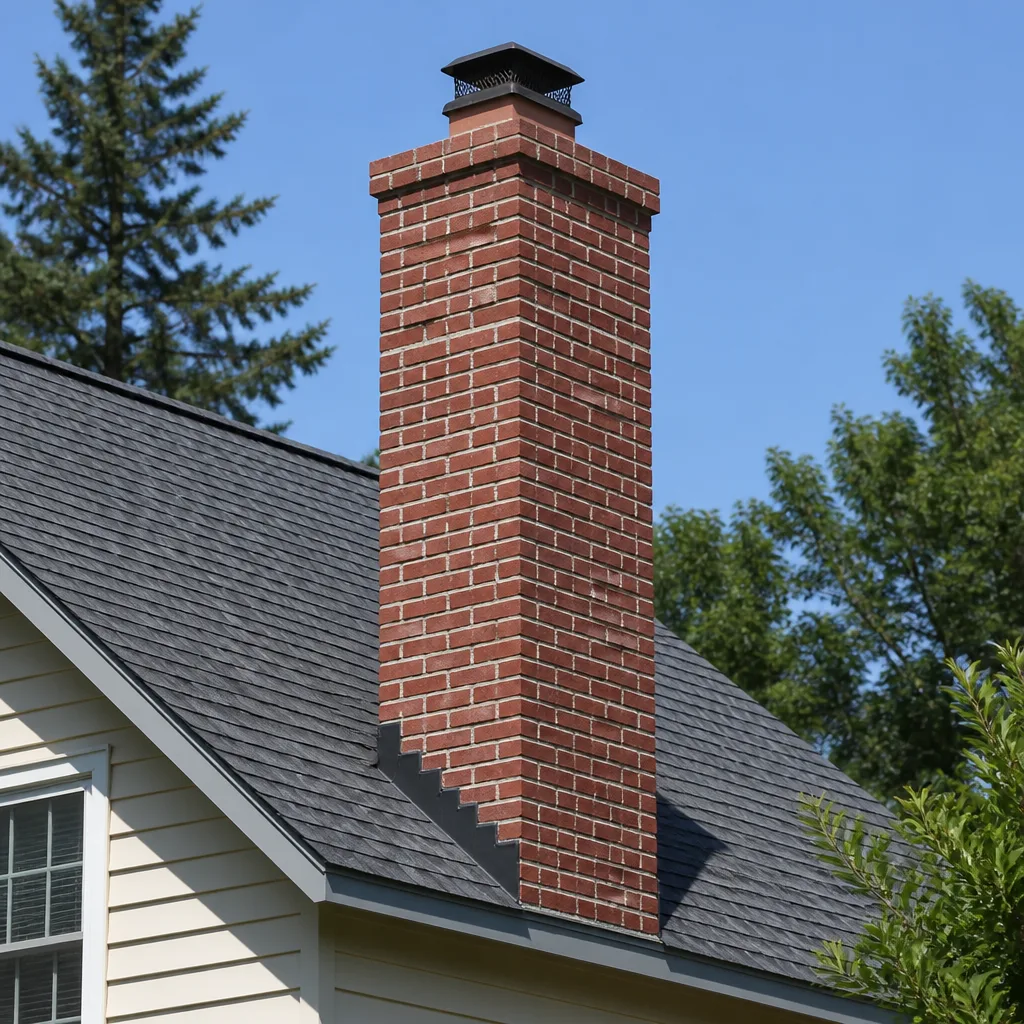 Masonry repair
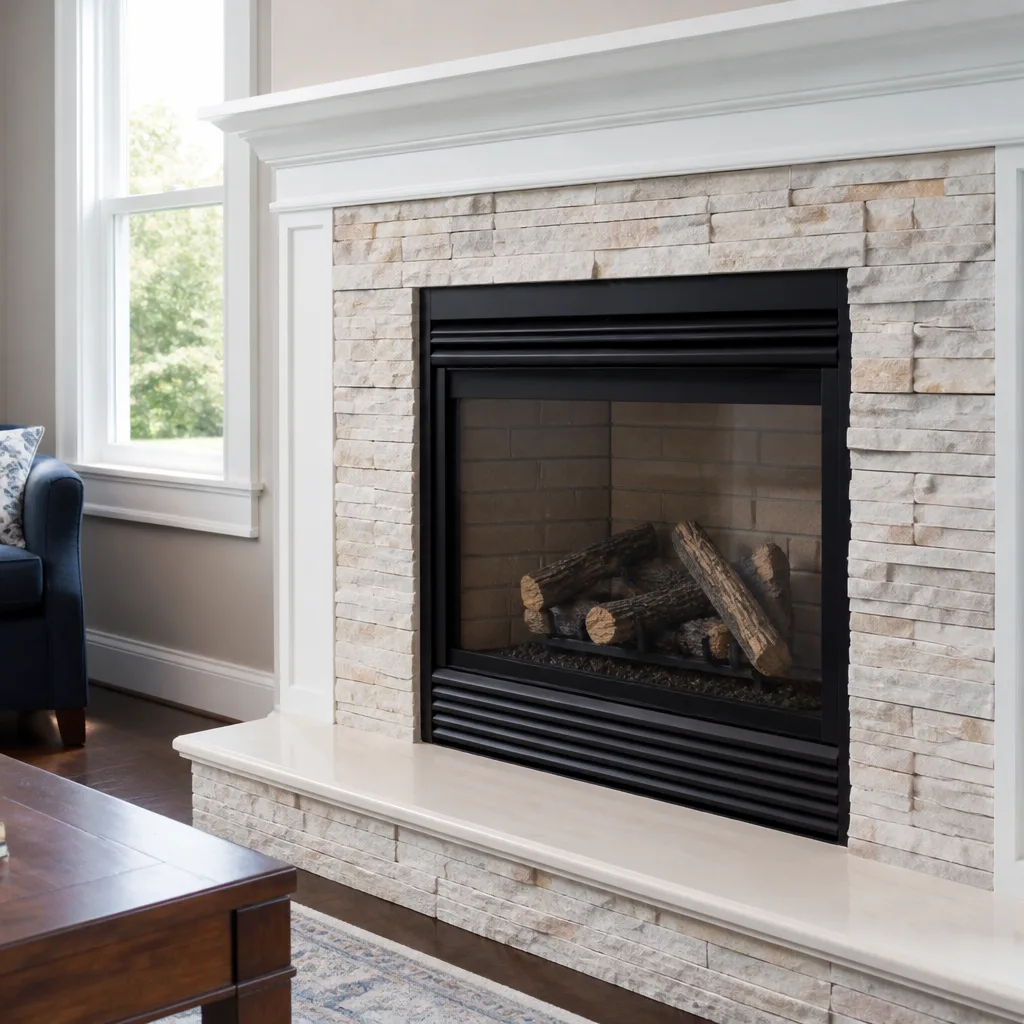 Gas fireplace service
Level 1 sweep and inspection to the NFPA 211 annual standard - flue, crown, cap, and flashing checked and photographed
Chimney sweep logs do not sweep chimneys. They loosen some creosote - which then falls where a brush and vacuum still have to collect it.
Choosing the Right Chimney Cleaning Brand: A Buyer’s Guide for Kent
Here’s the part most homeowners miss. The brand question in chimney cleaning isn’t really about which company has the nicest logo or the slickest website. It’s about what goes into your flue and onto your crown. A budget sealant or a generic liner coating has a measured service life, and here’s the counterintuitive bit: in Kent’s wet, marine-influenced climate, that lifespan runs shorter than the national average. Moisture sits on masonry through the long rainy season, pushing water into cracks a dry climate would leave alone. So the “brand” you’re really choosing is the material lineup and the diagnostic rigor behind it. This guide shows you how to tell a cleaning-only outfit from a full-service specialist, what to ask about liner brands and sealants, and why a lawn-mower-grade promise to “clean your chimney” isn’t the same as a system-level assessment. We’ll give you the exact questions to ask before you book in Kent.
Quick Answer
The right chimney cleaning company in Kent is one that uses professional-grade liner materials and sealants from trade brands like DuraFlex, HeatShield, Gelco, and Olympia Chimney, inspects with camera equipment rather than eyeballing, and holds CSIA or NFI credentials as a baseline. More importantly, a credible company diagnoses your whole chimney system and tells you what it found before it tells you what it costs. If a company can only sweep and refers you elsewhere for repair, caps, or liners, that’s a cleaning service, not a chimney specialist.
Styles & brands we work with
- Sweep & inspection
- Caps & crowns
- Flue relining
- Masonry repair
- Gas fireplace service
Table of Contents
- Why Chimney Cleaning Brand Matters More Than You Think in Kent
- What Materials and Sealants Should You Ask About?
- Cleaning-Only vs. Full-Service: What’s the Difference?
- How Do You Evaluate a Company’s Diagnostic Equipment?
- Which Certifications Matter, and Which Are the Bare Minimum?
- What Will a Credible Chimney Company Warranty?
- Seven Questions to Ask Before You Book
- When to Call a Professional
Why Chimney Cleaning Brand Matters More Than You Think in Kent
Most homeowners evaluate a chimney company by whether they show up on time and leave the house clean. Fair enough, but that tells you almost nothing about the materials behind the work. The products a technician applies to your flue, crown, or mortar joints determine how long the repair lasts, and in Kent, a repair that would hold for years in a dry climate can degrade faster because of how much water your masonry absorbs.
Kent’s weather is the spec sheet you should hold every company to. Rain falls for months on end, temperatures dip below freezing in winter, and spring warms up slowly enough that moisture stays trapped in masonry. Every freeze-thaw cycle moves water deeper into small cracks. A commodity liner coating or a generic crown patch that wasn’t formulated for wet climates starts to fail in that cycle. A professional-grade system handles it because the chemistry behind the product is designed for sustained moisture exposure.
We’ve seen the difference in our own work. Our technicians have up to 15 years of experience, and we’ve pulled out plenty of hardware-store caps that had rusted through and cheap sealants that chalked and cracked within a season. What we install now comes from a curated lineup of trade brands: DuraFlex flexible liners, HeatShield resurfacing systems, Gelco and Olympia Chimney caps and components. These are the materials chimney engineers specify, not the ones on the shelf at a big-box store.
So when you’re comparing companies in Kent, ask a simple question: “What brand of liner material do you install, and what’s its expected service life in a wet climate?” The answer tells you more than any marketing page.
What Materials and Sealants Should You Ask About?
Ask for brand names, and then ask why that brand. A company that can’t name its liner materials or explain the difference between them is buying whatever’s cheapest at the supply house. Here’s the checklist we’d hold any Kent chimney company to.
Liner systems
Stainless-steel flexible liners are the standard for most relining work, and DuraFlex is one of the trade names we use because it handles irregular, older flues that rigid sections can’t be snaked through. That flexibility matters in Kent’s older housing stock, where flues were often built as offset tiles or rough masonry interiors.
Resurfacing systems
HeatShield is a resurfacing product that repairs the inside of a flue without requiring a full liner replacement. We’re certified in its application. When a flue is sound but its inner surface has deteriorated, resurfacing can add years of life at a fraction of the cost of a full tear-out. It’s not the answer for every chimney, but it’s an option worth knowing exists.
Caps and crowns
Gelco and Olympia Chimney caps and cover products are manufactured to spec, rather than the stamped sheet-metal caps sold for a few dollars. A proper stainless cap with a well-sealed crown is the first line of defense against water intrusion, which is the leading cause of masonry failure. If the company installs a generic cap, ask why.
Sealants and mortars
Sealant is where a lot of companies quietly cheap out. Ask what’s being used for the crown and chimney flashing, and whether it’s rated for sustained moisture exposure. A product with a five-year tested life and a product with a twenty-year tested life look identical going on; they look very different five winters later.
One note on safety: if your chimney needs a liner installed or a flue examined, resist the urge to open up the interior yourself. A deteriorating flue allows heat and carbon monoxide into the structure. That’s a job for a trained technician with the right equipment, not a weekend project.
Cleaning-Only vs. Full-Service: What’s the Difference?
A cleaning-only company sweeps the flue and leaves. A full-service chimney specialist sweeps, inspects, repairs, and protects the whole system. On paper the first is cheaper. In practice, the limitation shows up the first time your chimney needs work the sweeping company can’t do.
Here’s how the two compare:
- Cleaning-only: sweep and a basic visual check. Repairs, liners, crowns, and caps get referred to another contractor. You coordinate multiple visits and end up with a company that has no stake in how the last guy’s work holds up.
- Full-service: every stage handled by one team with one inspection report. Sweep, chimney repair, liner installation, crown and cap work, and fireplace repair under a single scope. No hand-offs, no gaps.
Why does that matter for long-term health? Because chimney failures are rarely one thing. A cracked crown lets water into the masonry, which loosens the flue tile, which opens a path for creosote and carbon monoxide. A cleaning-only company sees one piece. A full-service company sees the chain and fixes it in the right order. A swept chimney is a starting point, not a finish line.
In Kent, we work on the whole system, not just the flue. If we find a hairline crack in the crown during a routine sweep, you hear about it before it becomes a masonry rebuild. That’s the difference between paying for a cleaning and paying for system care.
How Do You Evaluate a Company’s Diagnostic Equipment?
Diagnostics are the tell. Anyone with a flashlight can look up the flue and say it “looks fine.” The companies worth booking use equipment that lets you see what they see, and then show you.
There are roughly three tiers of inspection:
- Analog visual inspection. A flashlight and a mirror. Catches obvious soot, blockage, and larger cracks. Misses most interior tile damage. This is the minimum, not the standard.
- Camera inspection. A video camera run down the flue shows interior surfaces, joints, and the smoke chamber. This is where real diagnosis begins, and it’s what we use as the baseline on every job.
- 3D or high-resolution flue scanning. A smaller set of companies use three-dimensional scanning to map offsets, gaps, and irregular geometry precisely. Useful for irregular older flues where a camera alone leaves questions.
You don’t need to demand the fanciest scanner on the market. You do need to demand that the company uses a camera, documents what it finds, and shows you the footage or stills. Any chimney company that tells you it “doesn’t need a camera” is asking you to trust a visual check that can’t see around a bend in the flue.
Our chimney sweep includes a camera inspection and a written report with photos, so you can see the cracks, the creosote level, and the condition of the crown before you decide anything. A comprehensive inspection identifies structural and safety problems early, which is cheap. Emergency repairs are not.
Which Certifications Matter, and Which Are the Bare Minimum?
Certifications are the minimum bar. They’re not a differentiator. CSIA (Chimney Safety Institute of America) is the standard credentialing body for chimney sweeps. NFI (National Fireplace Institute) covers hearth appliance installation and inspection, which is relevant if you have a wood stove or gas insert. When you see either certification, it means the technician met a training threshold and a code of conduct.
What certifications don’t tell you:
- Whether the company uses professional-grade materials (a certified sweep can still install a commodity cap).
- Whether the company has the equipment to diagnose deep flue issues.
- Whether the company warranties its work.
- Whether the company handles repairs or refers them out.
The practical takeaway: expect CSIA or NFI credentials, then look past them. Ask about product manufacturer certifications, like HeatShield application training or a DuraFlex installation credential. Manufacturer certifications are where the training-to-product link is specific. A sweep who’s certified to apply HeatShield has been trained on that system specifically; a sweep who isn’t may still install a liner and still get a good result, but you’ll want to understand what they’ll be using and why.
One caution for Kent homeowners: licensing rules for chimney contractors vary. Ask whether the local professional is licensed and insured as their state requires, and get the answer in writing. If they can’t produce a certificate of insurance on request, that’s your answer.
What Will a Credible Chimney Company Warranty?
Warranties are the honesty test. A credible chimney company will warranty its workmanship on things it can control (installation, sealing, cap fitting) and will be candid about what it can’t (the masonry surrounding your flue, existing structural conditions). If a company warranties everything unconditionally, ask what that actually means in writing.
Here’s what we’d expect a credible company in Kent to say:
- Workmanship on installs: covered for a defined period. Liner installations, cap installations, and crown sealing should come with a documented guarantee.
- Product warranties: passed through from the manufacturer. DuraFlex and other trade-grade liners usually carry multi-year manufacturer coverage; ask the company to provide the documentation.
- What’s not covered: existing masonry failure, structural damage, and pre-existing defects that aren’t part of the scope. A company that names these boundaries plainly is being more honest than one that promises everything.
- Satisfaction guarantee: if the work isn’t right, the company comes back. We back our work this way, and so should anyone you hire.
If a company won’t put its warranty in writing, treat that as a warranty of zero. If it offers an unconditional guarantee with no exclusions, read the fine print – it usually says the company isn’t responsible for anything.
One more thing to ask: “Will you put the scope of work and materials in writing before we start?” A company that hands you a written scope, with brand names and specifications, has more confidence in its work than one that gives you a verbal quote and a handshake.
Seven Questions to Ask Before You Book
Here’s the script we’d use on any chimney company in Kent. Copy it out, and hold the phone.
- “What brand of liner material do you install, and why?” The answer should name trade brands and give a reason. If it’s “we use good stuff,” that’s a no.
- “Do you use a camera inspection, and do I get a copy of the footage or photos?” Yes on both is the baseline. A written report is even better.
- “Are you CSIA or NFI certified, and is the local pro licensed and insured?” Get the answer. Ask for the certificate if you want.
- “What will the written scope cover, and what does the guarantee say?” If they can’t answer, they’re not ready to book.
- “What do you recommend for my crown and cap, and why that product?” You’ll learn whether they’re using Gelco or Olympia Chimney components or a generic cap from a hardware store.
- “Do you do repairs and liner work, or do you refer them out?” A full-service company keeps the answer simple. A cleaning-only company has to think about it.
- “What will a typical recommendation look like after the inspection, and what’s the cost estimate process?” You want to hear that a written estimate sets the price, not a verbal number.
Kent homeowners, one local wrinkle: ask whether the company has worked on chimneys built into the older homes around Kent’s neighborhoods and understands the wet-season moisture patterns in the region. A sweep who’s worked here for years will have an intuitive feel for what fails and what holds. That feel matters more than the brochure.
If you’d rather have us walk you through it, that’s what we’re here for. We tell you what we found before we tell you what it costs.
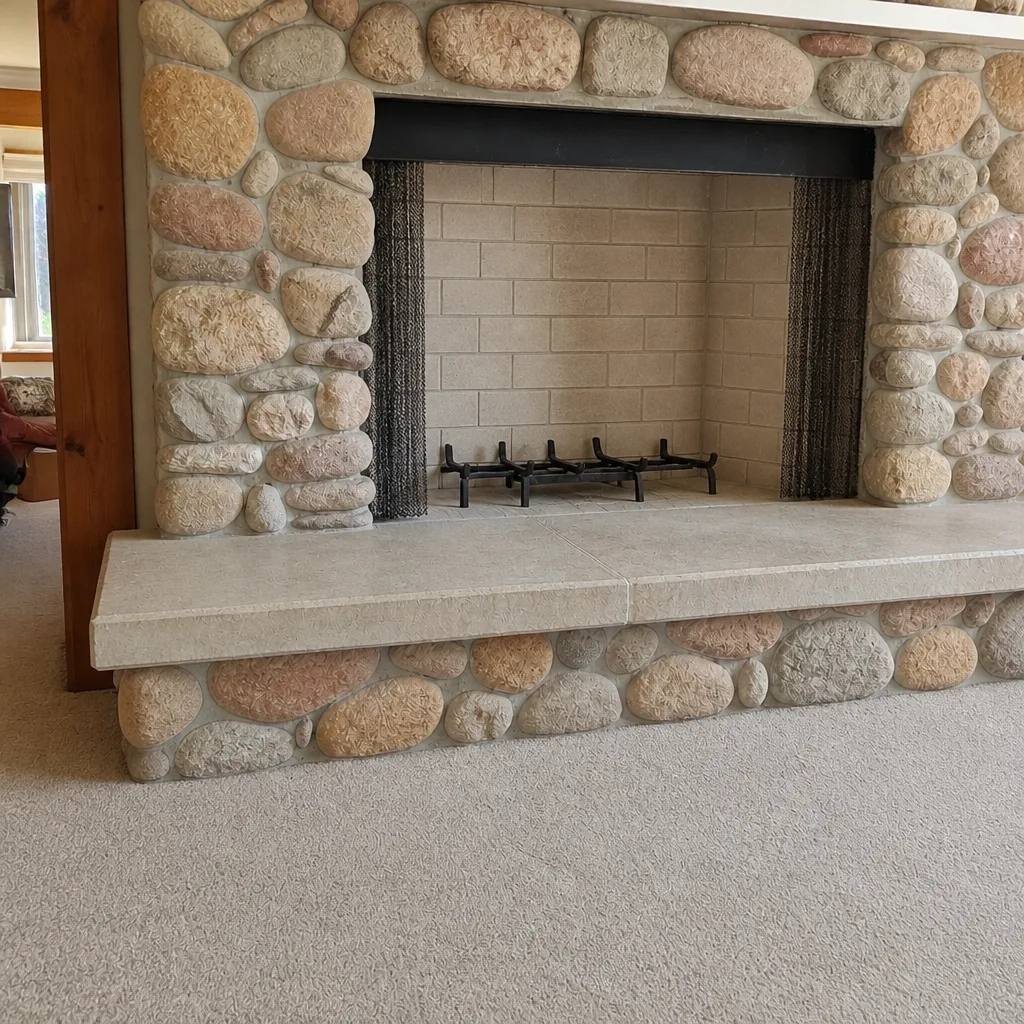
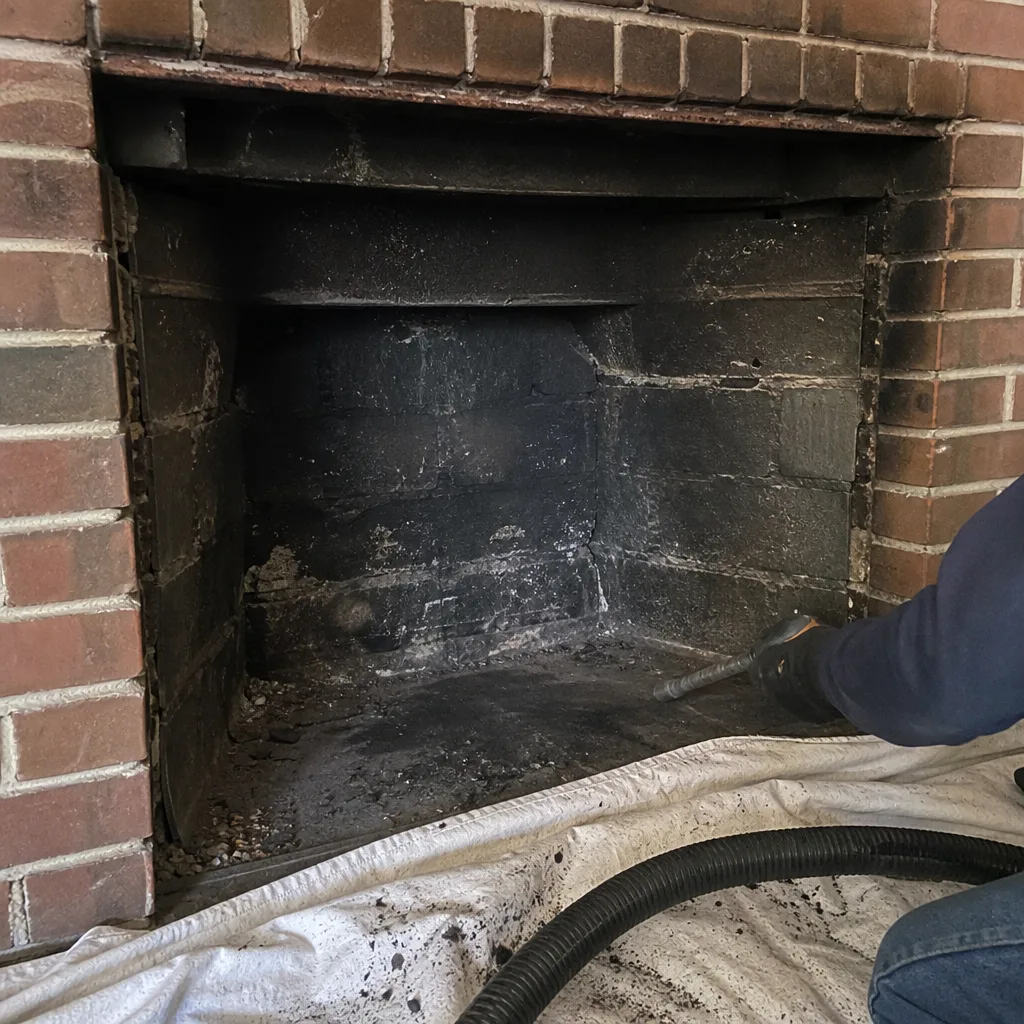
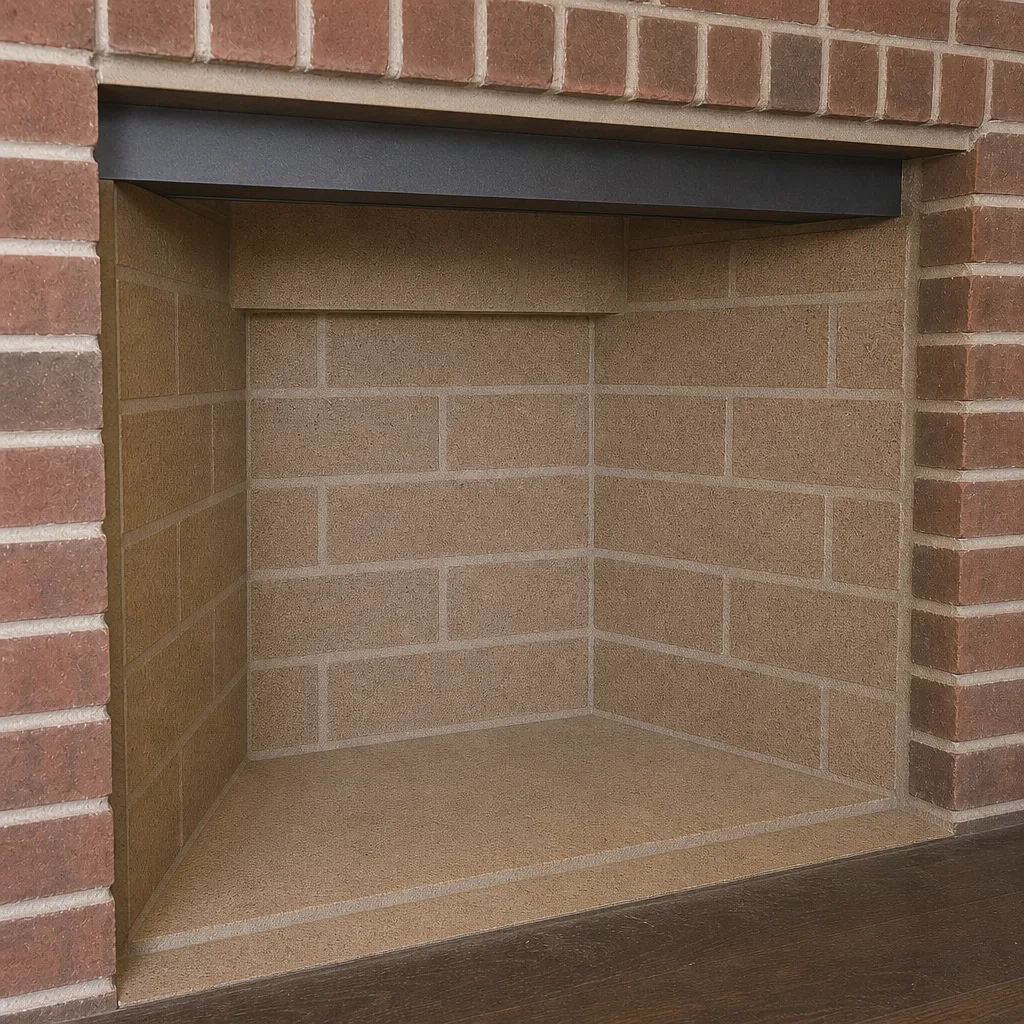
See the difference
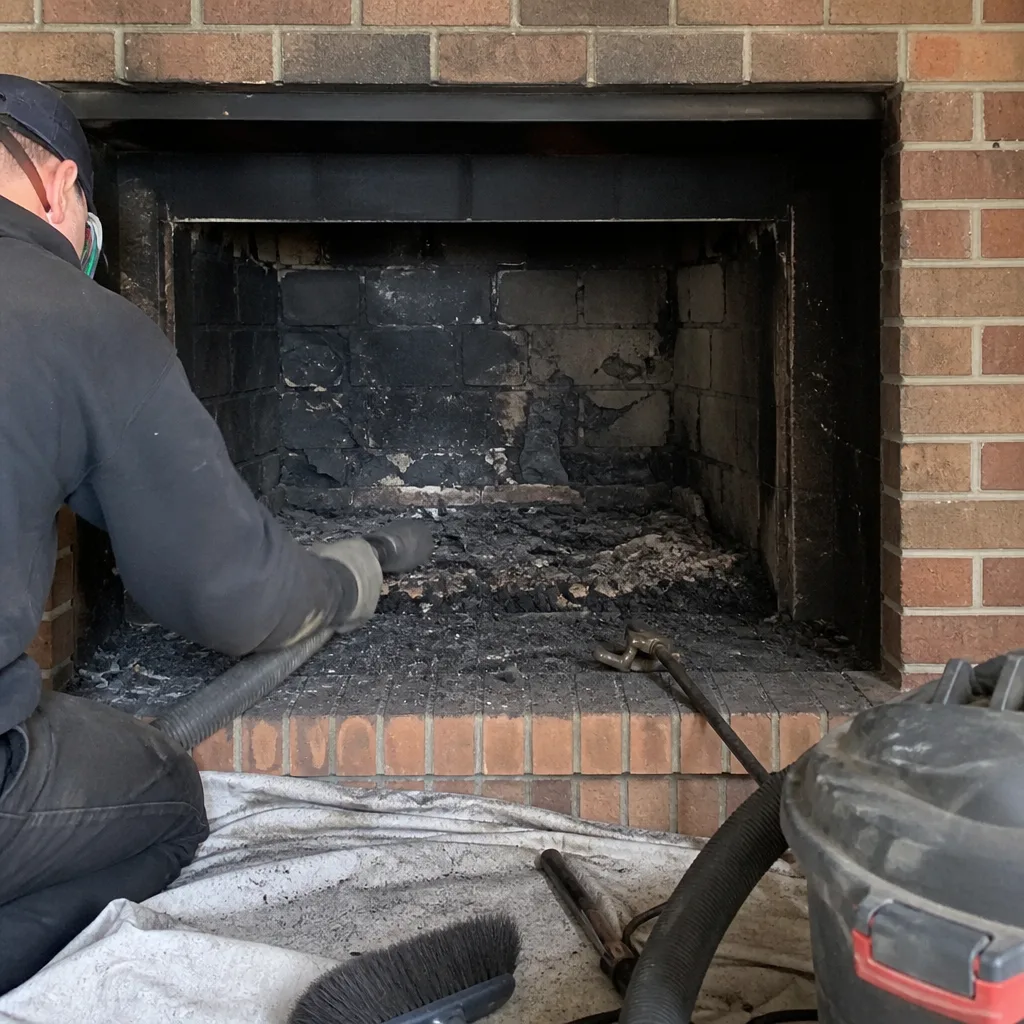 Before
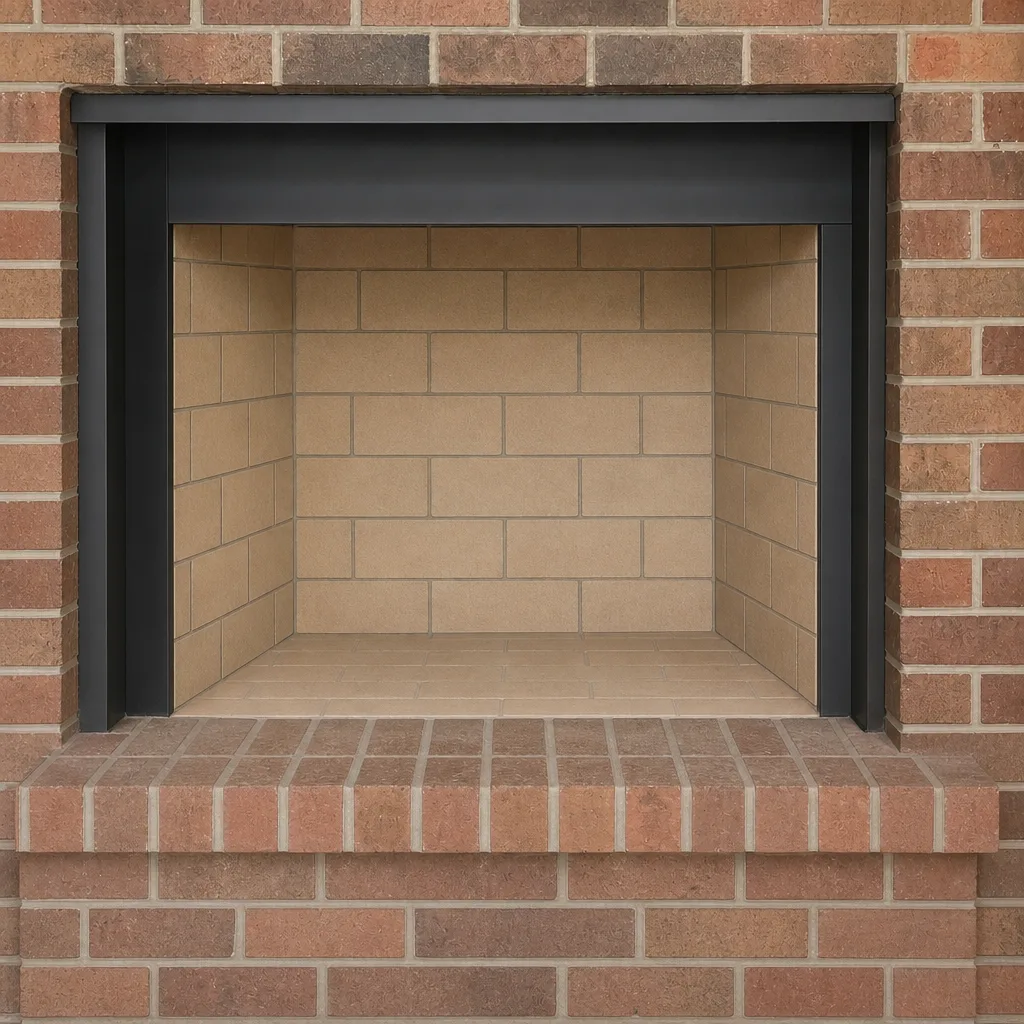 After
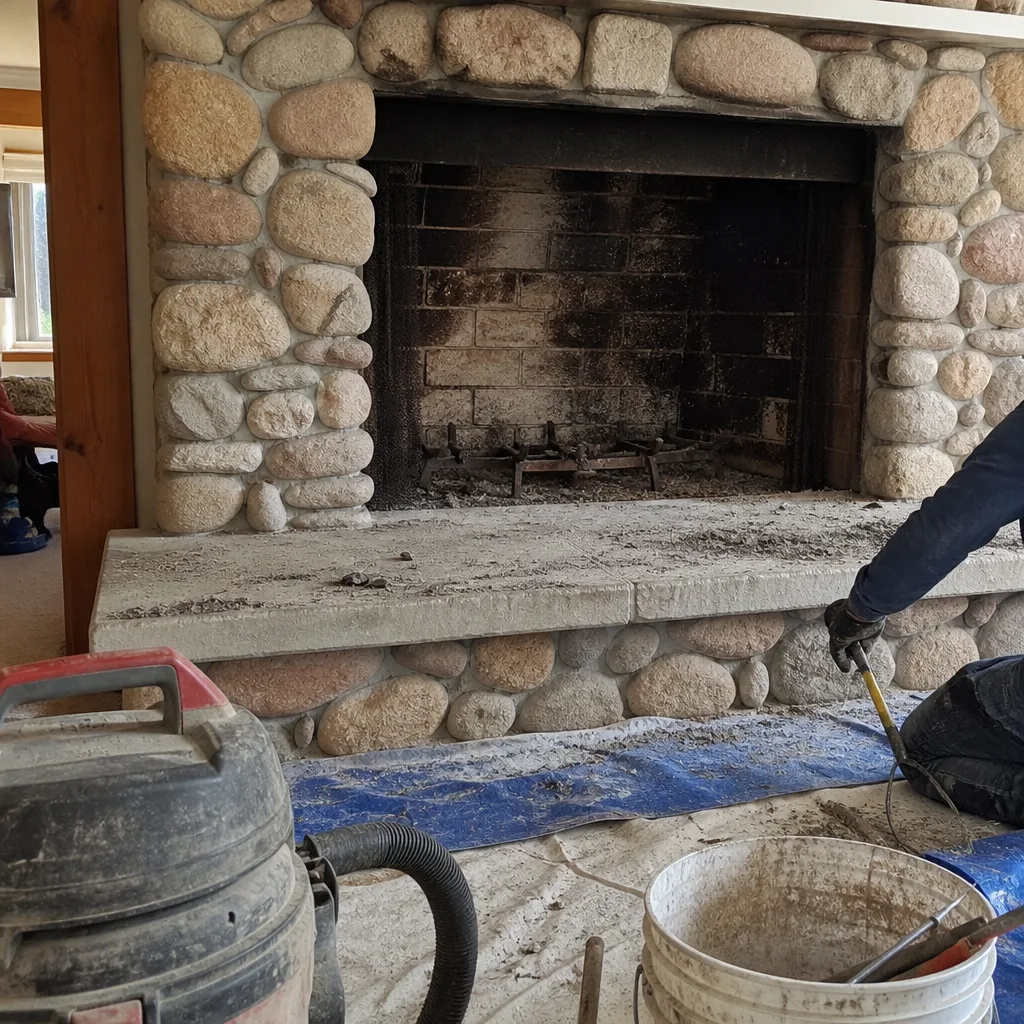 Before
 After
 Before
 After
Common Mistakes to Avoid
- Choosing on price alone. A cheap sweep that installs a generic cap often costs more over years than a properly priced one that installs a Gelco or Olympia component. The cap is the cheapest part of the job and the one that fails first.
- Booking a cleaning-only company for a repair. If your chimney needs a liner or a crown rebuild, a sweep that doesn’t do the work will refer you and you’ll start the vetting process over again. Ask about scope before you book.
- Skipping the camera inspection. A visual check can’t see around the offset in a flue. If a company doesn’t run a camera, you’re getting half a diagnosis. Full stop.
- Accepting a verbal estimate. In Kent, a verbal “about $500” turns into a $2,000 bill the moment someone finds a hidden crack. Demand the scope in writing before any work starts. (We can’t state pricing, but we can state the principle: the written estimate sets the final price.)
- Ignoring the crown and cap. Water intrusion is the single leading cause of masonry failure in wet climates. A chimney that’s swept but uncapped is a chimney that fails from the top down. Cap and crown work is a closure on the inspection, not an add-on.
- Hiring for a fireplace insert without checking NFI credentials. Inserts need properly sized liners. A sweep without hearth-appliance training can install the wrong liner. Ask about NFI if there’s a stove or insert in the picture.
- Assuming certifications equal quality. CSIA is a floor, not a ceiling. The combination of certifications, manufacturer training (like HeatShield), and a written guarantee is what separates a good hire from a mediocre one in Kent.
When to Call a Professional
Call a professional when you’re not sure what you’re looking at. Specifically: when creosote buildup is more than a quarter-inch, when you smell creosote on a warm day, when smoke backs into the room, when your damper won’t close, when the crown is cracked, when the cap is missing, when you’ve never had the chimney inspected, or when you’re moving into a home in Kent with a fireplace and no service records. You should also call if you’ve had a chimney fire – even a small one can damage the flue interior in a way you can’t see. Our technicians have up to 15 years of experience and can walk you through what to check without touching the dangerous parts yourself. Kent Chimney Sweep offers free estimates in Kent – call (855) 658-3498. We answer 24/7 and dispatch from 7am to 7pm, Sunday through Friday.
If you’re not ready to book, our chimney repair page has more on what to look for, and our Kent Chimney Sweep overview covers the full scope of what we handle.
Frequently Asked Questions
Most sweeps in Kent fall into a standard range, usually between about $150 and $350 for a basic cleaning and inspection, with the price set by the written estimate after we see the flue. The camera inspection and photo report are included in our chimney sweep, so you’re not paying extra for diagnostics. Call (855) 658-3498 for an exact quote – estimates are free.
Not always. A liner is recommended when the existing flue has cracked tiles, gaps at the joints, or deterioration that lets creosote and carbon monoxide into the structure. If the flue is sound, resurfacing with HeatShield can extend its life at a fraction of the cost of a full reline. We won’t recommend a liner without camera evidence you can see for yourself – and if the work can safely wait, we’ll tell you. Call (855) 658-3498 for an exact quote – estimates are free.
Once a year for most wood-burning fireplaces, and more often if you burn frequently or use unseasoned wood. Kent’s long wet season means creosote can sit on the flue interior for months without drying out, so an annual sweep before the burning season is the sensible baseline. Call (855) 658-3498 for an exact quote – estimates are free.
Creosote builds up in layers that eventually ignite, which is the mechanism behind most chimney fires. A cracked crown also lets water into the masonry all winter, which loosens the flue and can cause structural damage over several seasons. Neither consequence is instant, which is why skipping the sweep feels fine until it isn’t. Call (855) 658-3498 for an exact quote – estimates are free.
CSIA is the standard for chimney sweeps, and NFI is the standard for hearth appliance installation and inspection. Both are minimums, not differentiators. What separates companies beyond certifications is manufacturer training, camera inspection equipment, and a written guarantee that spells out what’s covered. Call (855) 658-3498 for an exact quote – estimates are free.
Yes. Crown and cap work is a core part of what we do, using Gelco and Olympia Chimney components installed to spec. A cracked crown or failed flashing lets water into the masonry, which is the leading cause of chimney failure in wet climates, so sealing it is one of the highest-value repairs you can make. Call (855) 658-3498 for an exact quote – estimates are free.
The Bottom Line
The chimney cleaning brand question comes down to materials, diagnostics, and scope. Materials because professional-grade liners and sealants from brands like DuraFlex, HeatShield, and Olympia Chimney last through Kent’s wet cycles while commodity products fail. Diagnostics because a camera and a written report are how you verify what’s actually there. Scope because a company that can only sweep leaves the repair and the crown to someone else. Certifications (CSIA, NFI) are the entry ticket; manufacturer training and a written guarantee are what separate a good hire from a mediocre one. If the company can’t answer questions about materials and warranty in writing, keep looking. If you’re ready, we’re glad to help: Kent Chimney Sweep offers free estimates in Kent – call (855) 658-3498. We answer 24/7 and dispatch from 7am to 7pm, Sunday through Friday.
The best chimney cleaning company in Kent uses trade-grade materials, shows you camera evidence, and tells you what it found before it tells you what it costs. We work on whole-system care with a written scope and a satisfaction guarantee, and we’d be glad to walk you through it.
Written by the team at Kent Chimney Sweep.