
Last updated November 25, 2026
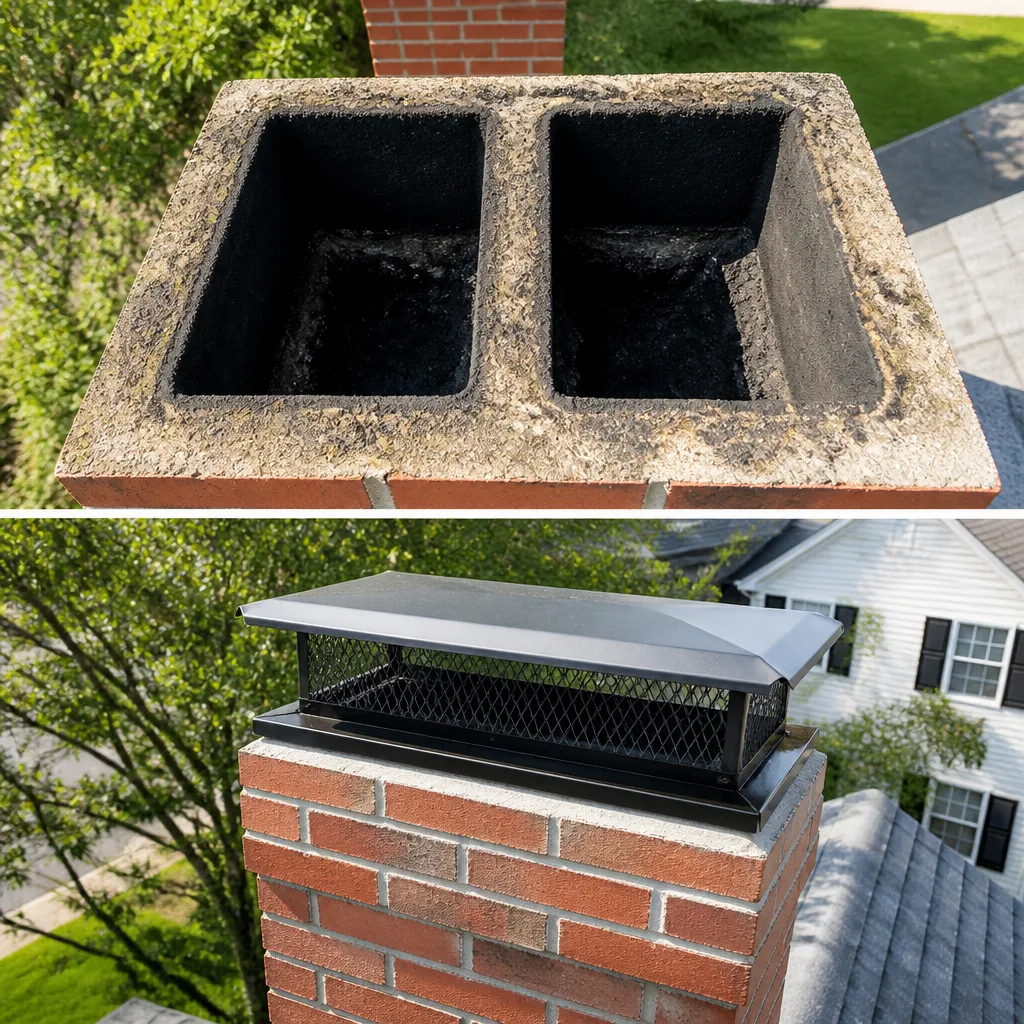 Sweep & inspection
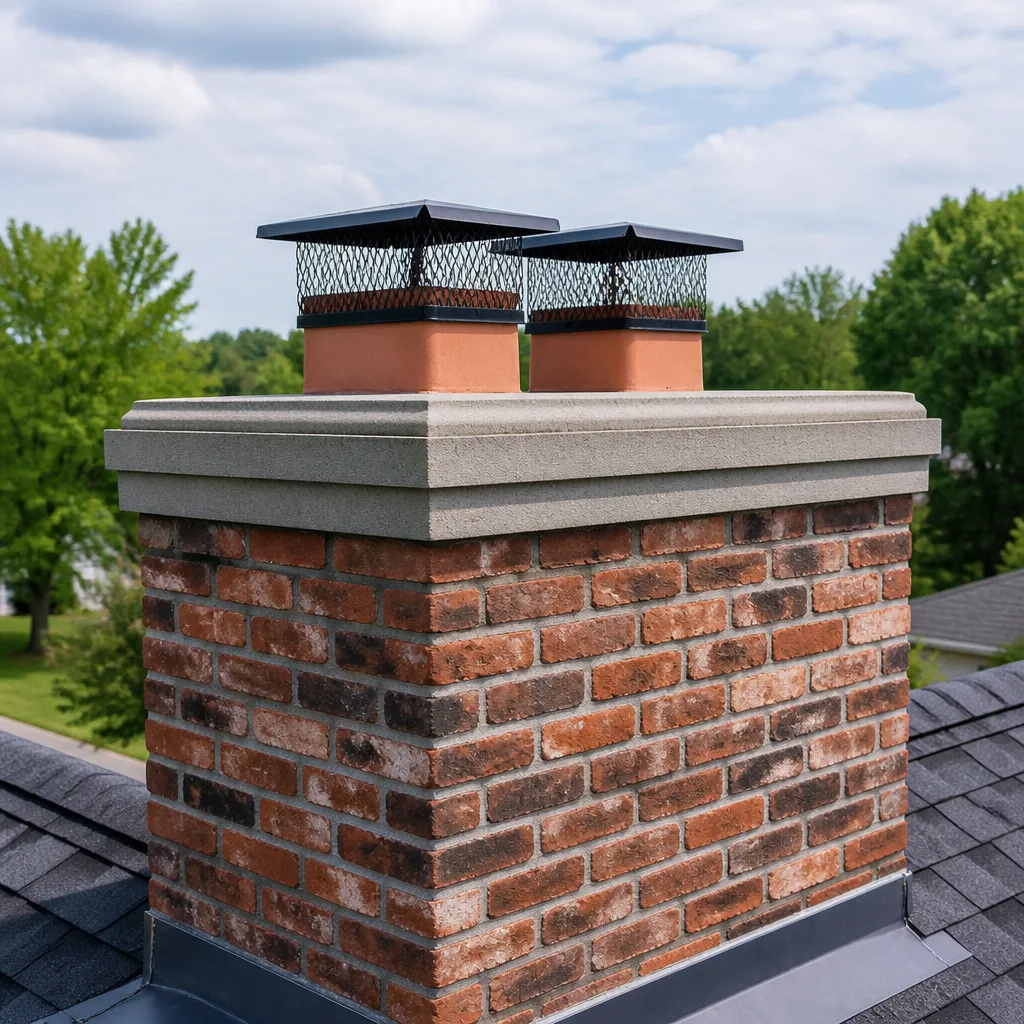 Caps & crowns
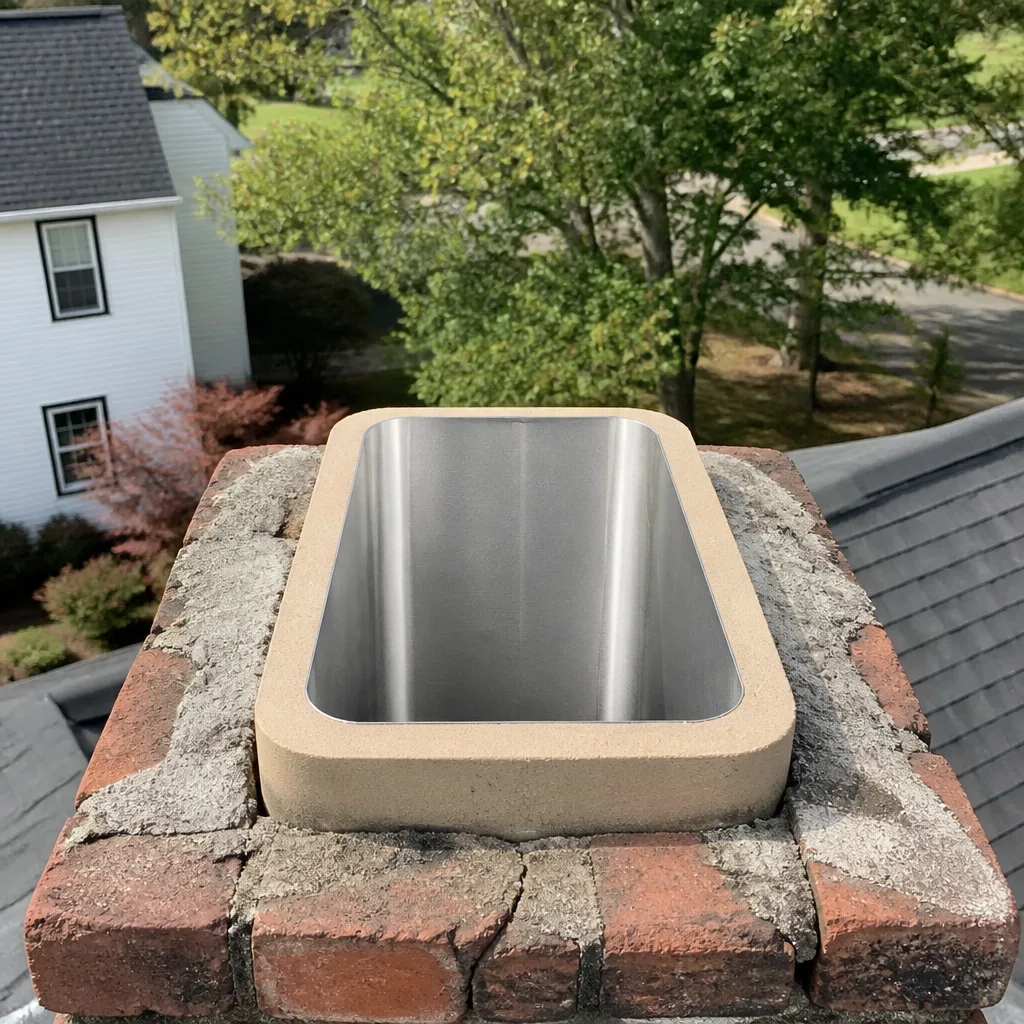 Flue relining
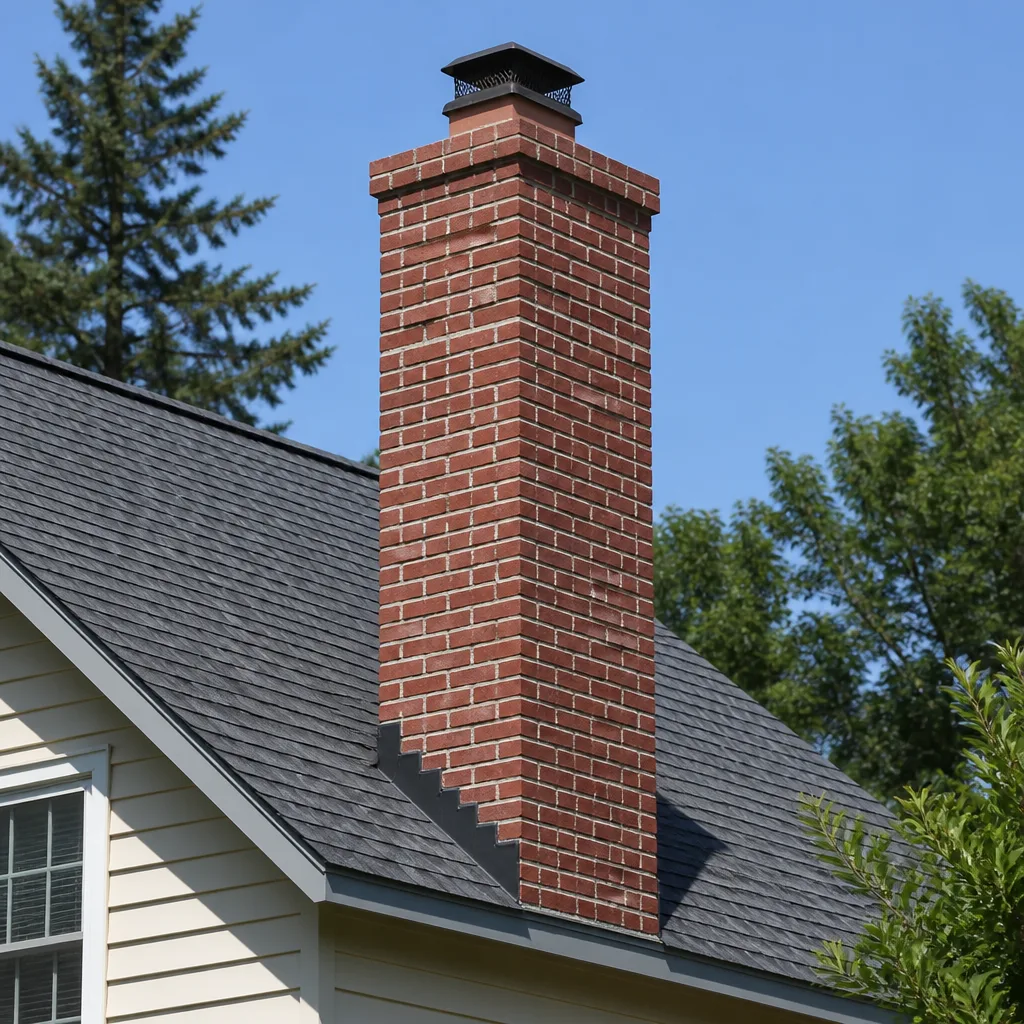 Masonry repair
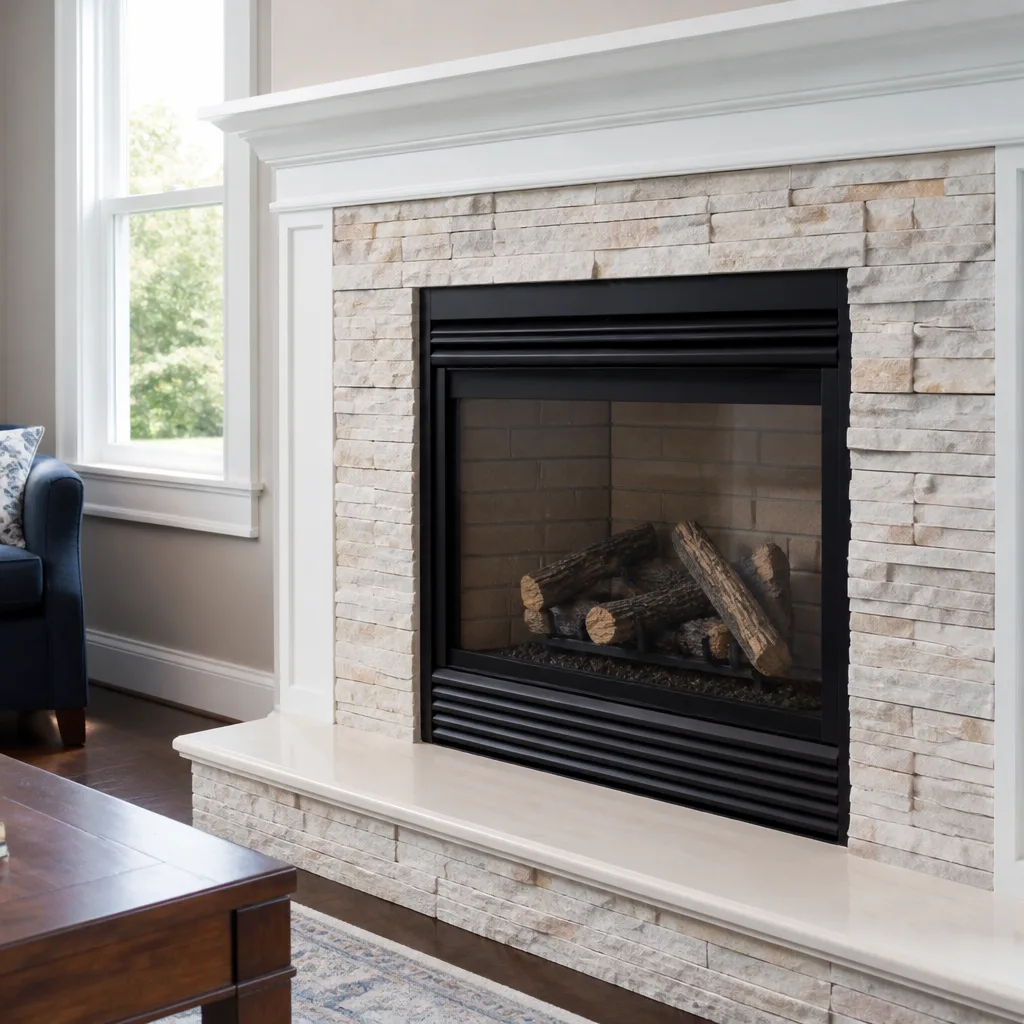 Gas fireplace service
Level 1 sweep and inspection to the NFPA 211 annual standard - flue, crown, cap, and flashing checked and photographed
Chimney sweep logs do not sweep chimneys. They loosen some creosote - which then falls where a brush and vacuum still have to collect it.
How to Hire a Chimney Cleaning Contractor in Kent: A Step-by-Step Guide
There’s no federal license required to call yourself a chimney sweep. That single fact reshapes the whole hiring conversation. The most important question you’ll ask a contractor in Kent isn’t about price, it’s about credentials you can actually verify before anyone climbs onto your roof. Washington has its own registration structure, certification bodies keep their own lookup tools, and the moss creeping across half the crowns in this valley tells you something about the moisture your masonry deals with every winter. We wrote this guide so you can walk into a quote conversation knowing exactly what separates a professional company from a one-truck operation. You’ll learn the specific verification steps, the three contract clauses that matter, and how to compare two bids that describe the same job in completely different language.
Styles & brands we work with
- Sweep & inspection
- Caps & crowns
- Flue relining
- Masonry repair
- Gas fireplace service
Quick Answer
To hire a chimney cleaning contractor in Kent, verify three things before booking: current Washington State contractor registration through the Department of Labor & Industries, a CSIA Certified Chimney Sweep credential on the technician who will actually do the work, and general liability insurance you’ve confirmed covers chimney work. Then demand a written scope that names the flue inspection, the crown and cap assessment, and the material specifications before anyone starts. Price comes after credentials, never before.
Table of Contents
- Why hiring a chimney contractor in Kent is different
- Step 1: How to verify CSIA certification and Washington State licensing
- Step 2: The three contract clauses that separate professionals from one-truck operations
- Step 3: Why the lowest bid in Kent often skips liner inspection
- Step 4: Pacific Northwest red flags to watch for
- Step 5: How to compare two quotes apples-to-apples
- Step 6: The questions to ask on the phone
- Common mistakes to avoid
- When to call a professional
- Frequently asked questions
Why Hiring a Chimney Contractor in Kent Is Different
A chimney in Kent lives a harder life than the same chimney in a dry-climate state. The Green River valley holds moisture. Winters run long and wet. Moss establishes on masonry crowns and shoulders where water sits, and once it’s rooted, freeze-thaw cycles work the crown open. What looks like a cosmetic green tinge in October is often a crumbling crown by March. A contractor who doesn’t mention your crown during the estimate is either not looking or not planning to tell you what they found.
Hiring also runs through a different filter here. Washington registers contractors at the state level, which means there’s a real database to search rather than a business card to trust. Certification for chimney work itself comes from the Chimney Safety Institute of America, and that’s a separate lookup entirely. Two verification steps, two different websites, and most homeowners only know to do one of them, if any.
Housing stock matters too. Kent has a mix of mid-century ranches and older homes with masonry fireplaces, plus newer construction with prefabricated systems. An older irregular flue may not accept a rigid liner at all. It needs a flexible system like DuraFlex that can follow the bends. That’s a capability question, not a pricing question, and it belongs in your vetting checklist long before you pick a number off a bid sheet. Part of knowing how to hire a chimney sweep in Kent WA is knowing what kind of chimney you actually own.
We work on the whole system, not just the flue. That’s the standard we’d encourage you to hold every contractor to. A sweep that stops at brushing leaves the crown, cap, and smoke chamber unexamined, and those are exactly the components this climate punishes.
Step 1: How to Verify CSIA Certification and Washington State Contractor Licensing
Two credentials, two lookups, both done by you before you sign anything. Here’s the sequence we’d follow if we were hiring a contractor for our own home.
- Search Washington’s contractor database. The Department of Labor & Industries maintains a public lookup at lni.wa.gov. Search the exact business name and the contractor registration number the company gives you. Confirm the registration is active and current, and confirm the insurance shown on file matches what you were told. If the name comes back inactive or expired, stop there.
- Confirm the CSIA credential on the technician, not just the company. The Chimney Safety Institute of America keeps a searchable directory of certified sweeps at csia.org. Ask which technician will be at your house and look that person up. A company can advertise certification while sending an uncertified helper. You’re paying for the trained hands, so confirm the hands.
- Ask for the certificate of insurance. General liability should be current and in force. Request it by email, not verbally. A real professional sends it over without complaint.
- Cross-check the business address and phone. They should match across the L&I record, the CSIA directory, and the invoice you’re asked to sign. Mismatches aren’t automatically disqualifying, but they’re worth a direct question.
- Ask whether the technician carries CSIA certification and what continuing education keeps it current. Certification requires renewal and retesting. A sweep who mentions ongoing training is a sweep who stays sharp.
This whole process takes about ten minutes at a kitchen table. It’s the single highest-value ten minutes in the entire hiring decision. Our own technicians have up to 15 years of experience, and we’d still expect you to run every check above on us. That’s the point of a checklist: it works regardless of who’s on the other end.
Step 2: The Three Contract Clauses That Separate Professionals from One-Truck Operations
Any contractor can hand you a handwritten invoice. A professional hands you a written scope with three specific elements. Read for these before you read the total.
Written scope of work. The document should name each task explicitly: flue cleaning, a Level 1 or Level 2 inspection, crown assessment, cap inspection, smoke chamber evaluation. Vague language like “clean and check chimney” tells you nothing and protects no one. If the scope excludes a component, you want that exclusion in writing so you can ask why.
Material specifications. If repair work is recommended, the proposal should name the materials and brands in line. That might be HeatShield for resurfacing a damaged flue without a full reline, Gelco or Famco for a cap and cover installed to manufacturer spec, or Olympia Chimney components in a liner assembly. Named trade-grade material tells you the contractor buys professional product rather than hardware-store substitutes. Ask them to spell it out in the contract, not just say it on the porch.
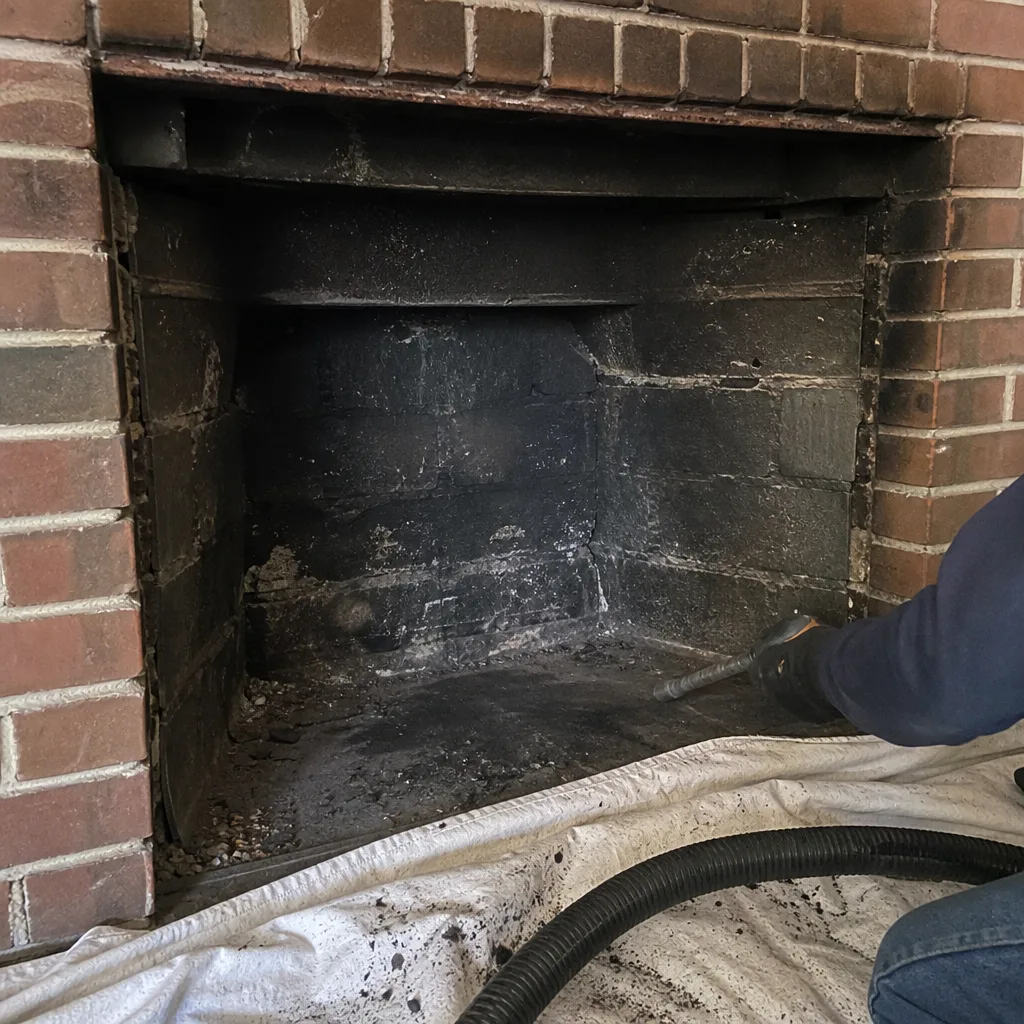
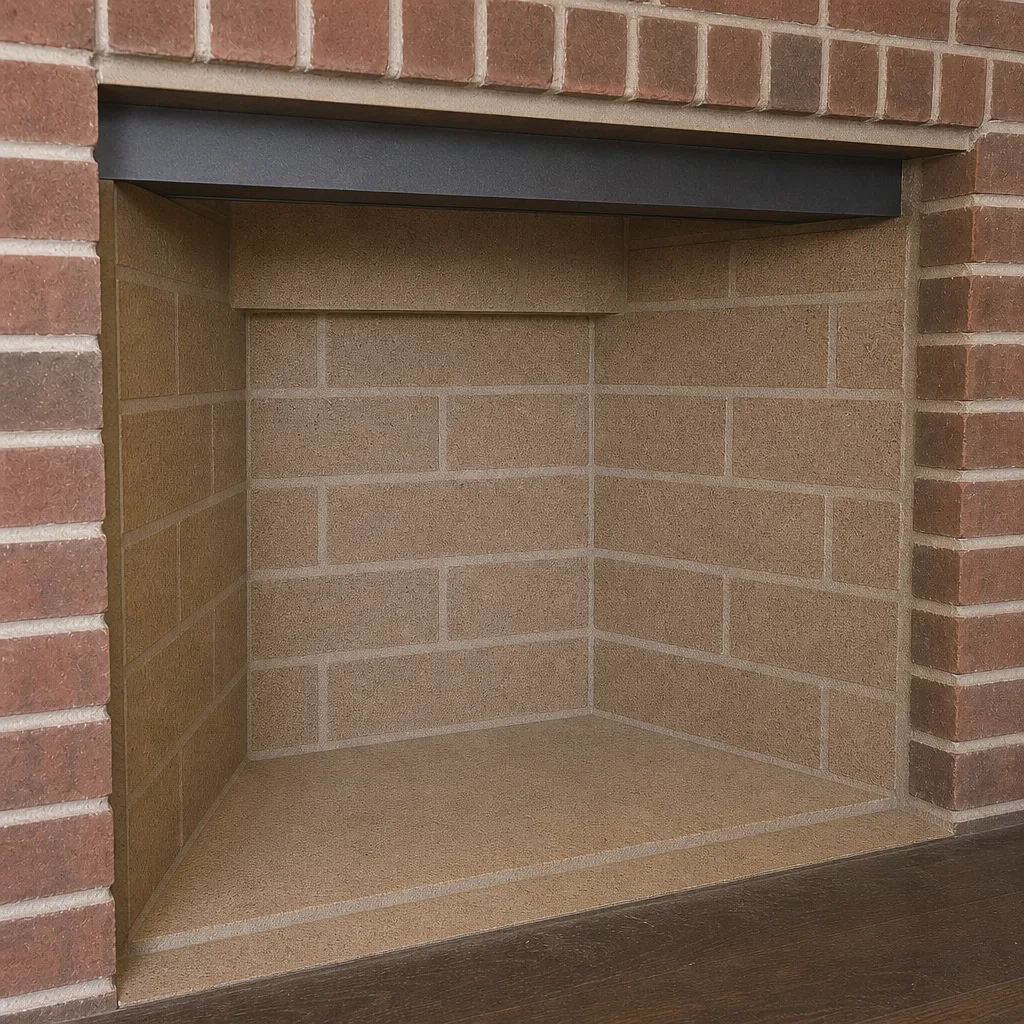
Post-job inspection and photo documentation. A sweep should end with evidence, not a verbal summary. Look for a clause that promises photos of the flue interior before and after cleaning, plus documentation of any defect found. We tell you what we found before we tell you what it costs, and the only credible way to do that is with images you can see yourself.
When all three are present, you’re dealing with a company that plans the work on paper. When any one is missing, you’re dealing with someone who plans to improvise. One more clause worth insisting on: a statement that the written estimate sets the final price. Flat-price sweep agreed before booking means no surprise number once the vacuum is running.
Step 3: Why the Lowest Bid in Kent Often Skips Liner Inspection
A low bid isn’t automatically a bad deal. Sometimes it means a smaller company with lower overhead doing honest work. But in Kent, the cheapest quote on paper frequently reflects a scope that quietly drops liner inspection, and you can identify that before you sign by reading what the bid does not say.
- The scope says “sweep only.” A cleaning brushes the flue. It doesn’t evaluate whether the flue lining is cracked, spalling, or detached. Those are inspection findings. If the bid stops at cleaning, nobody’s looking at the liner.
- There’s no camera mention. Camera inspection is how a technician actually sees the flue interior. A bid without it may mean a visual glance from the firebox and a guess about the rest.
- The smoke chamber is missing. The sloping chamber above the damper collects creosote and glaze that brushing alone doesn’t resolve. Competitors who skip it tend to skip it in writing too.
- The crown and cap aren’t mentioned at all. In this climate, that’s the entry point for water. A bid that ignores both is a bid that plans to leave your chimney vulnerable.
- No photos promised. If the contractor doesn’t commit to documenting what they find, you have no way to verify a repair recommendation later.
The economics are simple. Excluding liner inspection shortens the job and lowers the quote. It also means a cracked flue liner goes unnoticed until it turns into a fire risk or a carbon monoxide concern. That’s the trade-off hidden inside the cheap number. When you compare bids, compare what’s included, not just the total at the bottom.
Step 4: Pacific Northwest Red Flags to Watch For
Some red flags are universal: no written estimate, pressure to decide on the spot, a price that changes when they’re already on your roof. Others are specific to this region. Here are the ones we’d watch for in a Kent contractor.
No moss or crown discussion. This is the loudest signal. Our wet winters push moss onto crowns and shoulders. A contractor who evaluates your roof without raising the crown is not evaluating the crown. Ask directly: “What did you see up there, and what condition is the crown in?”
No moisture assessment. Water damage drives most of the structural repair work in this region. If nobody mentions moisture, the inspection was superficial. Look for a contractor who discusses how water is entering and where the masonry holds it.
Skipping the smoke chamber. Ask what they’ll do about the smoke chamber above the damper. A professional has a plan for it. A one-truck outfit changes the subject.
No mention of cap or crown work in the scope. A proper cap closes the most common entry point for water and animals. A chimney contractor in Kent who can’t install one is only handling part of the system. Gelco, Famco, and Olympia Chimney all make caps and covers that install to manufacturer spec. Ask which they’d specify and why.
Can’t name a single material brand. If the contractor can’t tell you which liner system they’d use, they probably haven’t installed many. A flexible DuraFlex system solves older irregular flues that rigid liners can’t serve. That’s a specific capability, and you’ll know you’re dealing with a real chimney company when they mention it without prompting.
Step 5: How to Compare Two Quotes Apples-to-Apples
Two contractors can quote the same chimney and describe completely different jobs. One scopes clean-plus-inspection-plus-crown-assessment. The other scopes “chimney cleaning, includes safety check.” Both say $300 and neither is lying. To compare fairly, build a simple table and line up the inclusions rather than the totals.
- List each task as a row. Sweep, flue camera inspection, smoke chamber, crown condition report, cap condition report, photo documentation, written material specs.
- Mark included or excluded for each bid. A blank isn’t an inclusion. If it isn’t stated, assume it’s extra.
- Ask each contractor to price the exclusions. If liner inspection costs extra from Bid A, add that cost to the comparison. Now you’re looking at real prices for comparable work.
- Check the material line the same way you checked the scope line. One bid might specify HeatShield resurfacing if the flue is damaged. The other might leave materials blank. Named materials should climb the comparison.
- Ask which technician is assigned and whether that person is CSIA-certified. A quote from a certified sweep is worth more than one from an unknown crew.
- Confirm the flat-price and estimate language in writing. Both bids should state that the written estimate sets the final price.
Once the tables line up, the comparison becomes obvious. One bid covers the whole system, the other covers a portion of it, and the price difference usually tracks the scope difference almost exactly. If a bid is dramatically cheaper after the inclusions match, that’s a different problem, and it’s worth walking away.
Step 6: The Questions to Ask on the Phone
Before you invite anyone into your home, a five-minute phone call will tell you most of what you need to know. Ask these in order and listen to how the answers come back.
- “Are you CSIA certified, and is the technician coming to my home certified?” The second half of that question catches more problems than the first.
- “Will you provide your Washington contractor registration number?” A legitimate company answers immediately.
- “What will you actually do during the visit?” Listen for flush inspection, crown, cap, smoke chamber, and photo documentation. Nothing else.
- “Do you offer camera inspection, and is it included?” The answer should be yes.
- “If you find damage, how will you show it to me?” Photos and a walkthrough, never a verbal description alone.
- “If you recommend repair, what materials would you use?” You should hear brand names like HeatShield, Gelco, DuraFlex, Olympia Chimney, or Famco.
- “Is the sweep flat-priced, and is the estimate free?” Both should be yes, and both should be in writing.
This is the moment to see if the conversation changes when you ask about what’s included rather than what it costs. A company that wants the job will welcome the questions. A company selling cheap gets uncomfortable.
Common Mistakes to Avoid
- Hiring on price alone. A cheap quote often excludes liner inspection. You’re not saving money; you’re buying less work and getting less information about your chimney’s actual condition.
- Not checking the state contractor database. Skipping the L&I lookup is the single most common shortcut. Ten minutes on the state site catches problems the business card never mentions.
- Asking about company certification instead of technician certification. A company can hold a credential while sending an uncertified helper. Ask who’s coming and verify that person.
- Accepting a verbal repair recommendation. Without photos or a recorded walkthrough, you have no way to verify anything. Insist on camera evidence you can see yourself.
- Skipping the crown and cap in the scope. In Kent’s wet climate, a cracked or moss-damaged crown lets water into the masonry all winter. A sweep that ignores it leaves you exposed.
- Signing a vague scope. “Clean and inspect” protects no one. Demand a written list of every component being checked.
- Ignoring a flue liner on an older home. An irregular flue from an older Kent house may need a flexible DuraFlex liner. If a contractor can’t discuss it, they may not have the capability to install one.
When to Call a Professional
Call a professional when you move into a home with a fireplace and can’t document the last sweep. Call before you use a fireplace that’s sat unused through a season. Call when you notice smoke rolling into the room instead of up the flue, when you smell creosote on a mild day, or when a rainstorm leaves water inside the firebox. Call if you see moss or crumbling mortar on the crown, or if the cap has a missing screen or damaged panel. Call if you’ve never seen the inside of your flue and want to know what’s there before you need it. If you’re ready to book a sweep and get a written scope, Kent Chimney Sweep offers free estimates in Kent. Call (855) 658-3498 and specify what you’ve noticed so the appointment scope matches the work.
Frequently Asked Questions
Search the Chimney Safety Institute of America directory at csia.org for the technician assigned to your home, then check the company’s registration through the Washington Department of Labor & Industries lookup. Both are public and free. Ask for the technician name and the registration number by phone, then spend ten minutes confirming both.
A cleaning removes soot and creosote from the accessible flue; an inspection evaluates the condition of the entire system. A proper inspection covers the flue lining, smoke chamber, damper, crown, cap, and firebox, and it ends with documentation of what was found. You need both, and a professional company will scope them together.
Yes, contractors in Washington must register with the Department of Labor & Industries to legally perform work in the state. Registration isn’t the same as CSIA certification, and a professional company holds both. Verify the registration is active and insurance is on file before anyone starts.
Because moss and moisture are the two biggest drivers of chimney damage in this region. Wet winters let moss take hold on masonry crowns and shoulders, where it lifts surface material and lets water into the masonry. A Kent contractor who doesn’t discuss crown condition is either not inspecting it or not planning to tell you.
The price is set per job by the written estimate, and inspection, camera work, or crown and cap assessment can add scope that changes the figure. Ask for the flat-price sweep to be agreed before booking. Call (855) 658-3498 for a written estimate; you’ll know what’s included before anyone arrives.
Creosote accumulates in the flue and becomes a fire hazard, and a cracked or moss-damaged crown lets water into the masonry all winter. Small cracks grow through freeze-thaw cycles. Skip maintenance long enough and a low-cost sweep becomes a structural repair. A sweep is a starting point, not a finish line.
The Bottom Line
Hiring a chimney contractor in Kent comes down to three verifications and one document. The verifications are state registration, CSIA certification on the assigned technician, and current insurance. The document is a written scope that names every component being inspected, the materials to be used, and the photo documentation you’ll receive. Price comes after that checklist, never before it. The lowest bid is usually a bid that excluded liner inspection and skipped the crown. When you’re ready for a sweep that covers the whole system, call (855) 658-3498 for a free estimate. We answer 24/7, and fast dispatch runs 7am to 7pm, Sunday through Friday.
Written by the team at Kent Chimney Sweep.
See the difference
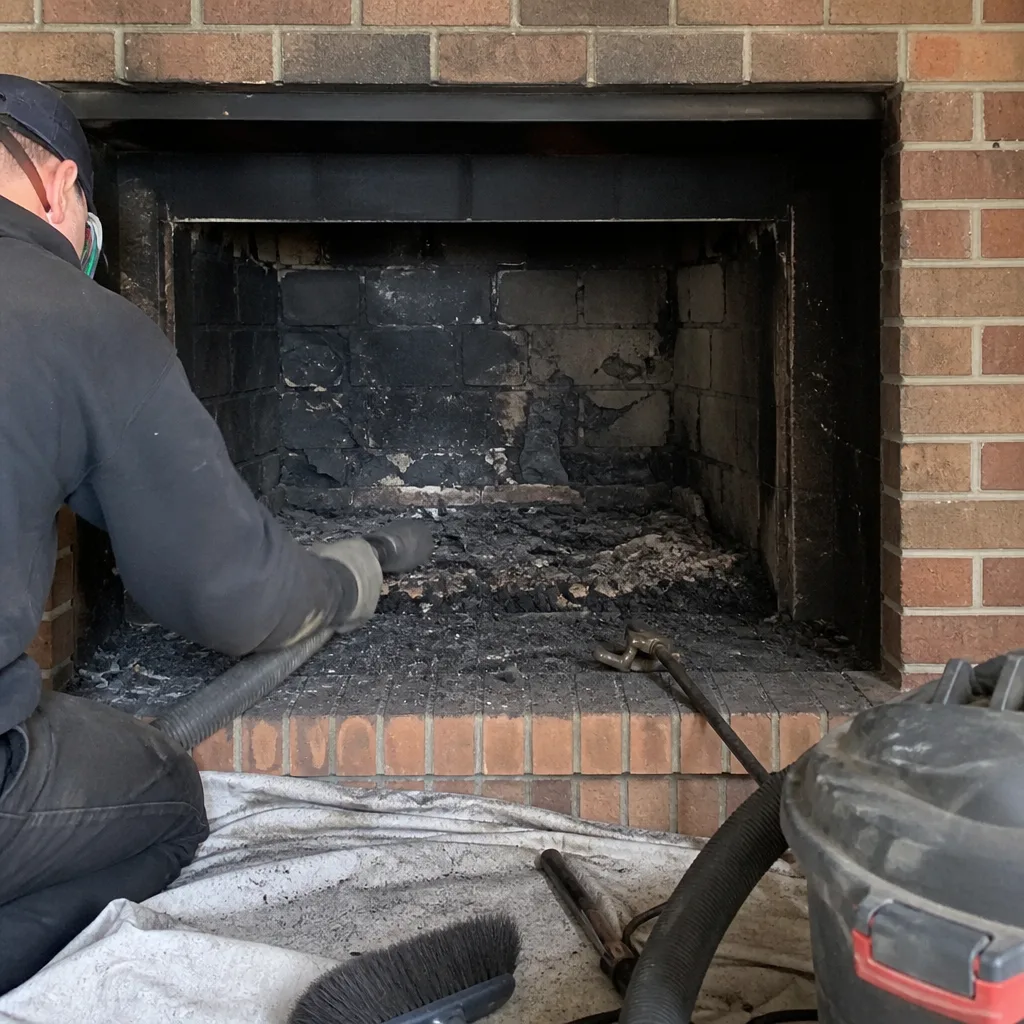 Before
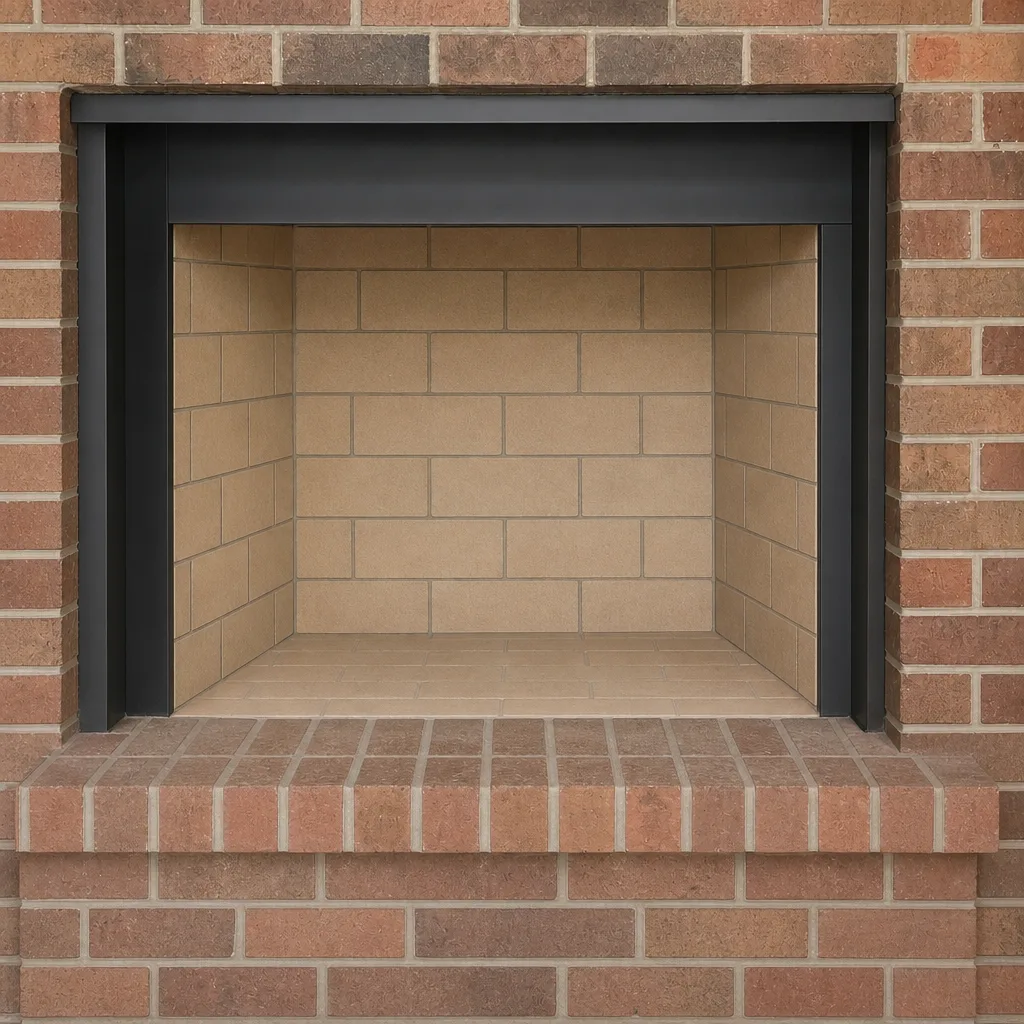 After
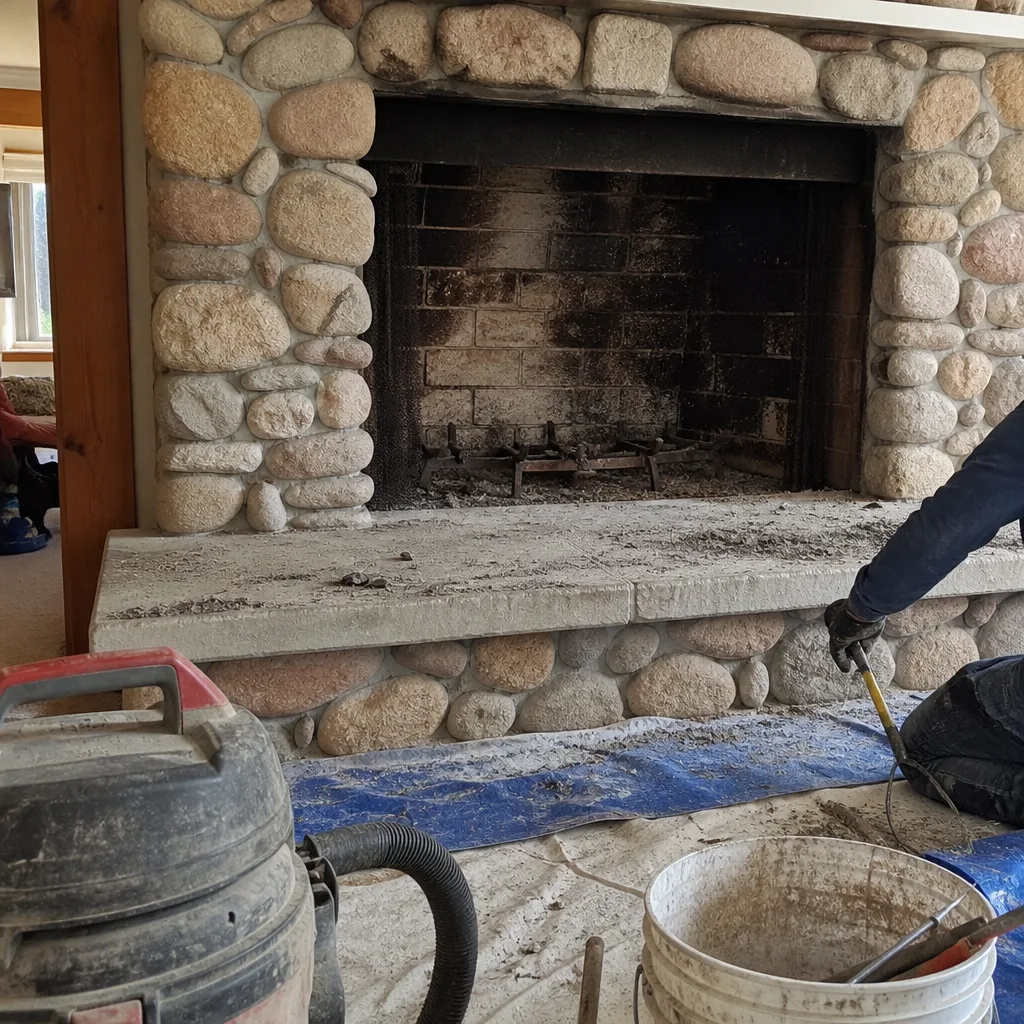 Before
 After
 Before
 After