
Last updated November 25, 2026
 Sweep & inspection
 Caps & crowns
 Flue relining
 Masonry repair
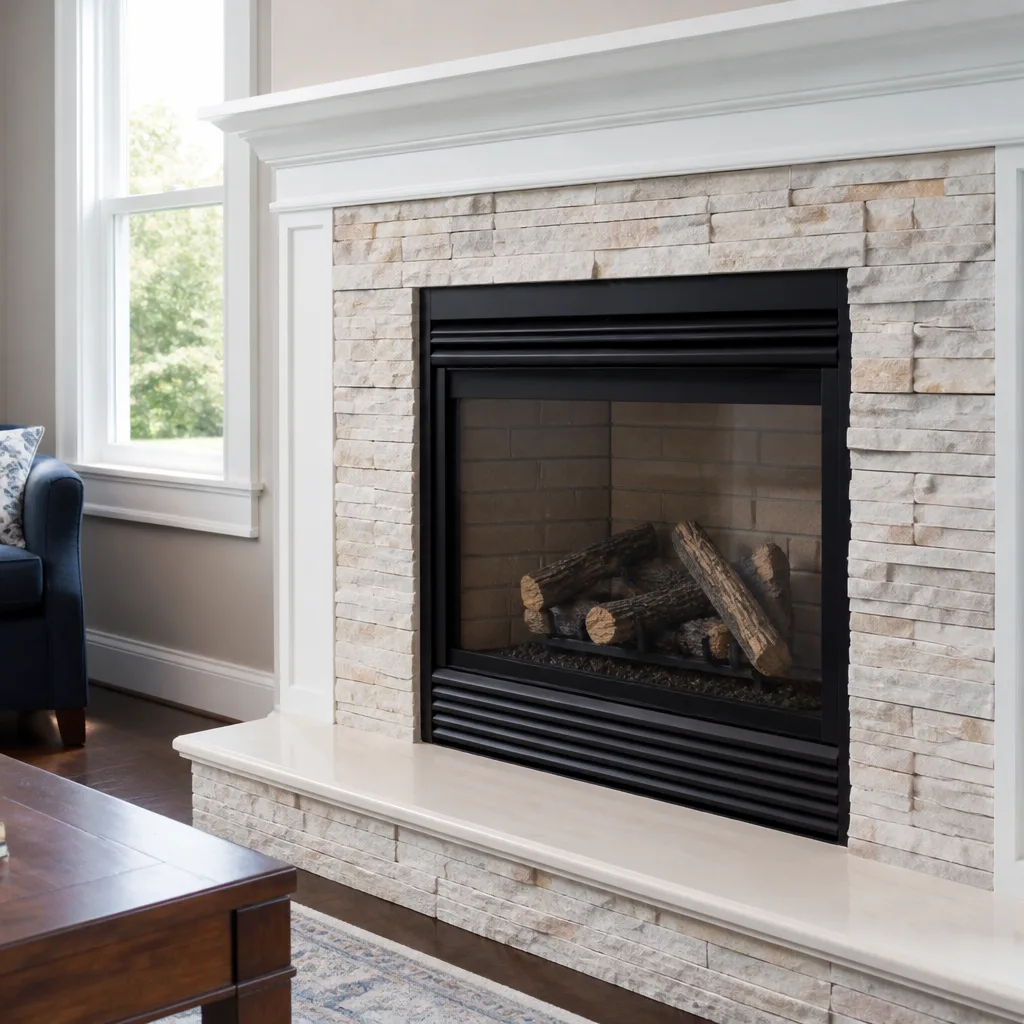 Gas fireplace service
Level 1 sweep and inspection to the NFPA 211 annual standard - flue, crown, cap, and flashing checked and photographed
Chimney sweep logs do not sweep chimneys. They loosen some creosote - which then falls where a brush and vacuum still have to collect it.
Chimney Cleaning Emergency Preparedness Guide for Kent Homes
During a chimney fire, the single most dangerous thing a Kent homeowner can do is open the damper to see what’s happening. It’s also the most instinctive response. That instinct turns a contained fire into a chimney-wide event, feeds fresh oxygen to creosote that’s already burning, and can send a pressure wave into a flue that was never built for it. In our experience the outcome of a chimney fire is decided less by the fire itself than by the decisions made in the 72 hours around it: the three minutes of correct action, the phone call, the inspection that follows. This guide walks through that window step by step, from the sounds and signs that tell you something’s wrong to the temporary winterizing you’ll need while a Kent chimney waits for repair.
Quick Answer
The correct response to a suspected chimney fire in Kent is to stop using the fireplace immediately, close the damper and all air controls, get everyone out of the house, and call 911. Then have the chimney inspected by a certified professional before you ever light it again, because only a full Level 3 inspection can confirm whether the flue and surrounding framing are still structurally sound. Water damage during Kent’s wet season can compound fire damage, so temporary winterizing should happen the same week, not the same month.
Styles & brands we work with
- Sweep & inspection
- Caps & crowns
- Flue relining
- Masonry repair
- Gas fireplace service
Table of Contents
- The First Three Minutes of a Suspected Chimney Fire
- How to Tell a Chimney Fire From Normal Combustion
- What to Tell the Fire Department When They Arrive
- The Post-Event Inspection Requirement Before You Relight
- Winterizing a Compromised Chimney in Kent’s Wet Season
- Prevention: What Actually Reduces Chimney Fire Risk in Kent
- The 72-Hour Recovery Checklist
The First Three Minutes of a Suspected Chimney Fire
Three minutes is the whole game. A chimney fire that gets enough air can move fast enough to crack clay tiles and push heat into framing. The steps below are numbered so you can rehearse them with your household, the same way you’d rehearse a smoke alarm drill.
- Close the damper and every air control immediately. Do not open the damper to look. Starve the fire of the oxygen it’s drawing through the flue.
- Get everyone out of the house, then call 911. Leave the property first, call second. Don’t stop to gather belongings.
- If it’s safe to do so and you are already outside, wet down the roof and any nearby combustibles with a garden hose. Never climb onto the roof during a chimney fire.
- Account for every person and pet. Bystanders should stay back at least the width of a driveway from the structure.
- Do not re-enter. Wait for the fire department even if the roaring stops. A fire that appears out can still be burning in a hidden void.
That’s it. Five steps, and none of them involve water into the firebox. Pouring water into a hot firebox can crack firebrick and send steam and smoke back into the room. Buckets of water thrown down a burning flue can also cause a steam expansion that stresses masonry. If your household can recite these five steps without looking them up, you’ve already improved your odds of a manageable outcome in Kent.
How to Tell a Chimney Fire From Normal Combustion
Not every loud fire is a chimney fire, and not every chimney fire is loud. The diagnostic signs are specific and worth knowing cold.
Sounds
- Roaring: a deep, continuous rumble like a freight train or a low-flying jet, not the crackle of a normal fire.
- Popping and tapping: sharp, repeated cracks that come from higher up the flue than the firebox, often described as sounding like popcorn or a hammer on metal.
- Whistling or howling: airflow forced through a narrowed or blocked flue under high pressure.
Pressure and heat signs
- The stovepipe or chimney breast is hot to the touch in a way it never normally is. A flue pipe that glows dull red or a wall face you cannot hold your hand against for two seconds is a serious warning.
- Smoke or flame visible at the chimney top. A straight, dark plume is normal; rolling black smoke with sparks is not.
- Puffed-in walls or a distorted damper. Pressure from a chimney fire can warp metal and push a damper out of its frame. Any change in how the damper operates after a hot fire is a structural warning.
- Creosote flakes falling into the firebox or landing on the roof. Burning creosote sheds flaky pieces, and they can land far from the chimney top.
If you can hear a low roar and see smoke rolling from the top of the stack, treat it as a chimney fire even if nothing else fits. In our experience, homeowners who call it in and are told it was “just” a very hot fire lose nothing but a little time. The homeowner who waits ten minutes to be sure is the one who ends up with a cracked flue and a full reline. Every emergency preparedness decision starts with the willingness to overreact in the first place.
What to Tell the Fire Department When They Arrive
When crews arrive, what you can tell them shapes how they assess risk. Clear answers speed it up. Here’s what to have ready.
- When the fire started and how long it burned. Approximate timing is fine, but be honest about the duration.
- What you did before they arrived. Confirm the damper and air controls are closed, whether you used the roof hose, and when you left the structure.
- What kind of appliance it is. Wood stove, insert, open fireplace, gas log set, or a pellet unit. Each has different failure modes.
- Whether you’ve seen any damage signs. Flames or smoke at the top of the chimney, creosote debris on the roof, a warped damper, cracks in the firebox or the chimney breast. Point to them if they’re visible from outside.
- Whether the flue has been swept recently, and by whom. If you don’t know the last sweep date, say so. It’s useful information, not a test.
- Any gas appliances, attic ducts, or vents that share the chimney. Fire crews will want to know if there are secondary flues.
After they’ve declared the fire out, ask them to note on their report whether they observed any outward signs of structural damage. Fire crews are trained to assess and put out fires, not to certify that a flue is safe to use again. That’s a separate job. But their observations matter to the inspection that comes next, and a written note from them can be helpful to your insurer. Take photographs if you can, from outside the property, before any cleanup begins.
The Post-Event Inspection Requirement Before You Relight
A chimney that has survived a fire is not automatically safe to use. Heat from a fire of any size can crack clay flue tiles, warp stainless liner seams, damage the smoke chamber, and loosen mortar joints inside the masonry. None of that is visible from your living room. A flashlight into the firebox shows you the firebox. It tells you nothing about the inside face of the flue or the framing behind it.
What a Level 3 inspection looks for
A Level 3 inspection is the most thorough of the three inspection levels and is the standard after a chimney fire, a building fire, an earthquake, or any suspected structural event. It generally involves access to areas that aren’t visible without opening or removing a portion of the chimney structure or adjoining framing. The point is to inspect what a Level 1 or Level 2 cannot reach. Specific items include:
- Internal condition of the flue liner, joints, and tile seams after heat exposure.
- The condition of the smoke chamber and whether the parging has spalled.
- The crown, the flashing, and the point where the chimney passes through the roof.
- The chimney’s contact with framing, insulation, and any combustible materials behind the facing.
- The condition of any prefabricated chimney sections and their connections.
We don’t relight a post-fire chimney in Kent until that report is in hand. If you’re working with another professional, the same rule applies. Get the written report before your first fire.
Winterizing a Compromised Chimney in Kent’s Wet Season
Kent’s wet season is the second emergency after a chimney fire. From October through April, the Pacific Northwest keeps masonry damp for days at a stretch. Water finds the cracks that fire has just opened, soaks into brick, and freezes at night. Brick spalling, mortar loss, and internal damage all accelerate when fire damage is left open to rain. A cracked crown, in particular, lets water into the masonry for months if it isn’t addressed. Winterizing a chimney after a fire has one job: keep water out without sealing the flue or blocking venting.
Temporary measures while you await repair
- Install a temporary cap or cover over the flue opening. A properly fitted cap is ideal, but even a temporary wrap secured above the flue will keep rain out for the week or two a repair takes. Gelco and Famco caps are manufacturer-grade components, not the generic covers sold at home centers, and they’re what we install for the permanent fix.
- Close the fireplace opening from the room side. A sheet of heavy plastic taped over the opening reduces drafts and keeps interior moisture out. Leave a small gap so the chimney can still breathe.
- Do not seal the flue itself. Blocking the flue can trap moisture and cause its own damage. The goal is to keep water out, not to glove the chimney.
- Clear the flashing and roof drains. Water pooling at the flashing is a common entry point on Kent roofs where leaves and moss collect. Clean the gutters and clear any debris from the roof.
- Watch for staining on the ceiling or chimney breast. Brown staining inside is a water entry sign, and it’s worth calling out during the repair estimate.
Once the repair work begins, the temporary cap comes off and the permanent one goes on. If the fire did damage to the crown or the flue liner, we use repair approaches suited to the actual condition. HeatShield liner resurfacing, for example, rebuilds the inside face of a clay flue without a full demolition, and it’s often the right choice when a fire has left spalling but not structural failure. DuraFlex flexible liners fit the older, irregular flues common in Kent’s pre-war housing, where rigid liners can’t be made to fit without tearing out masonry. We work with the whole system, not just the flue, so the cap, the crown, and the liner get addressed in one visit where possible.
Prevention: What Actually Reduces Chimney Fire Risk in Kent
Emergency preparedness is only half the job. The other half is preventing the fire in the first place, and in Kent that means controlling creosote. All wood smoke leaves deposits. Wet wood, cool flue temperatures, and restricted airflow all thicken those deposits into the glazed creosote that burns hottest.
- Burn dry, seasoned wood. Wood that hisses or sizzles on the fire is too wet. Dry wood is the single biggest lever on creosote buildup.
- Don’t smother the fire. A fire that’s choked down produces more creosote because it burns cooler. Small, hot fires leave less behind than slow, smoky ones.
- Get an annual chimney sweep. A sweep at the end of the burn season catches glazed deposits before they harden over the summer.
- Keep an eye on the cap. A missing or damaged cap lets rain, birds, and debris into the flue. Gelco and Famco caps seal that opening without blocking airflow.
- Watch for the warning signs. Flue tiles that come loose inside the firebox, staining on the chimney breast, and a damper that suddenly operates differently are all reasons to call for a chimney repair before the next season.
- Have the fireplace checked before you start using it each fall. A pre-season inspection catches small issues before they become structural ones.
If you’re starting from a cold chimney or moving into a Kent home with an unknown fireplace history, book a chimney inspection before your first fire. That’s the starting point that tells you the condition of the whole system. And if the firebox itself is showing cracks or a broken damper, a fireplace repair comes first.
The 72-Hour Recovery Checklist
The window after a chimney fire is where most of the secondary damage happens. Here’s how we break down the three days.
Within the first hour
- Fire department on scene, fire declared out.
- Photos from outside the property taken for insurance.
- Water entry points identified. If the fire department used water on the roof, note where it ran.
Within 24 hours
- Call your insurance company with a summary of the event.
- Book a Level 3 inspection. Don’t wait to be told, schedule it.
- Install a temporary cover if the flue is open to the sky.
Within 72 hours
- Inspection completed and report in hand.
- Repair scope agreed before work begins.
- Winterizing measures in place so Kent’s wet weather and fire damage don’t compound.
The recovery checklist is not a suggestion to delay. It’s the actual sequence of tasks we see go wrong when homeowners try to compress it. The biggest mistake in this window is relighting a fire on the assumption that “if it lights, it’s fine.” Heating a chimney that hasn’t been inspected can turn a cracked flue into a carbon monoxide problem.
Common Mistakes to Avoid
- Opening the damper to look. This is the single most dangerous instinct in a chimney fire. It feeds the fire air and turns a contained burn into a chimney-wide event.
- Calling the fire department “after a minute to be sure.” Ten seconds of a chimney fire can crack a flue tile that a pro will be repairing for a week. Call it in, then sort out whether it was a false alarm.
- Relighting before a Level 3 inspection. The firebox is the only part of the chimney you can see. A cracked flue behind the damper is invisible and dangerous.
- Hiring the first “sweep” who comes to the door after a fire. In Kent, storm and fire damage bring out fly-by-night cleanup offers. Ask for written scope and materials before work starts.
- Using a generic hardware store cap on a repaired chimney. A cap that doesn’t fit the crown and the flue correctly is a water entry waiting to happen. Gelco and Famco products are installed to spec for a reason.
- Leaving the chimney open to the sky through the rainy season. The temporary cover matters, and so does the permanent fix. Water damage is what turns a cracked crown into a structural repair.
- Skipping the sweep the following year. A post-fire chimney rebuilds creosote the same as a new one. Regular sweeps are what keep the rebuilt system safe.
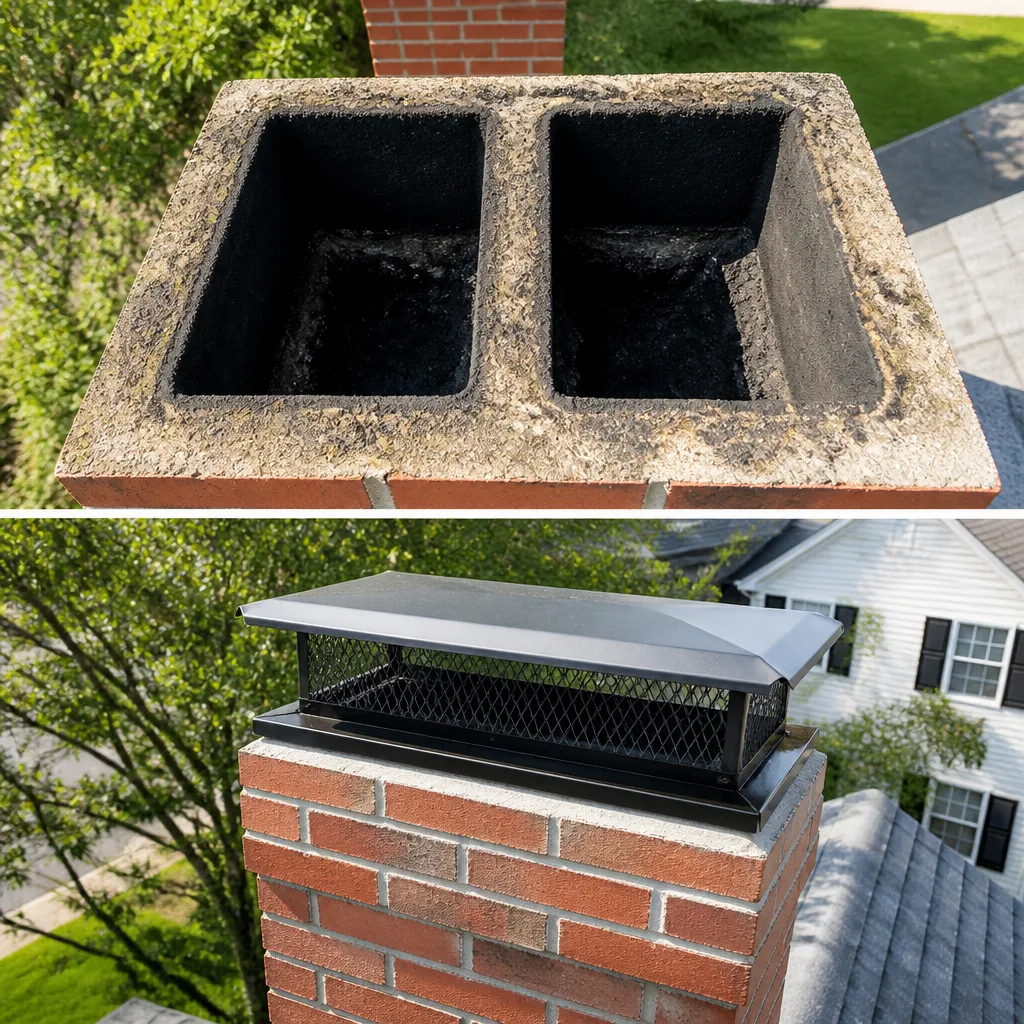
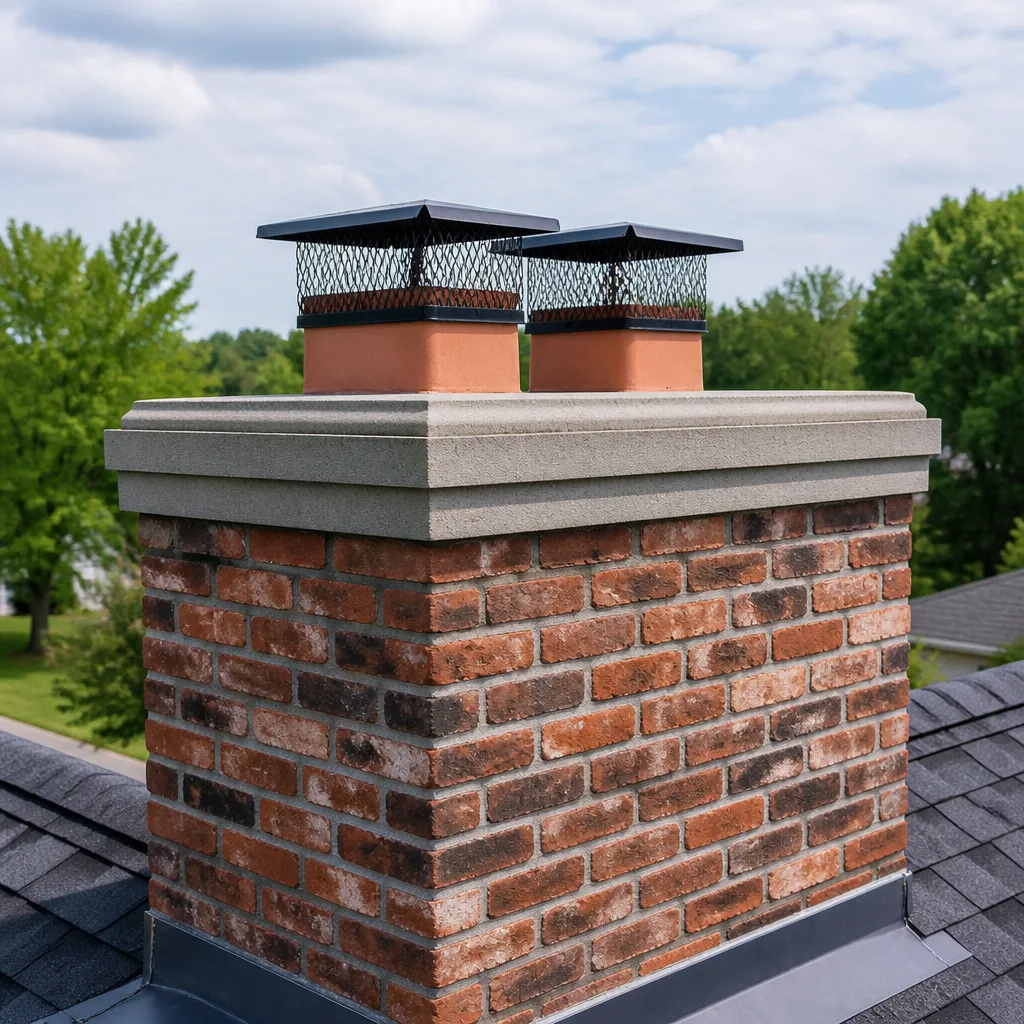
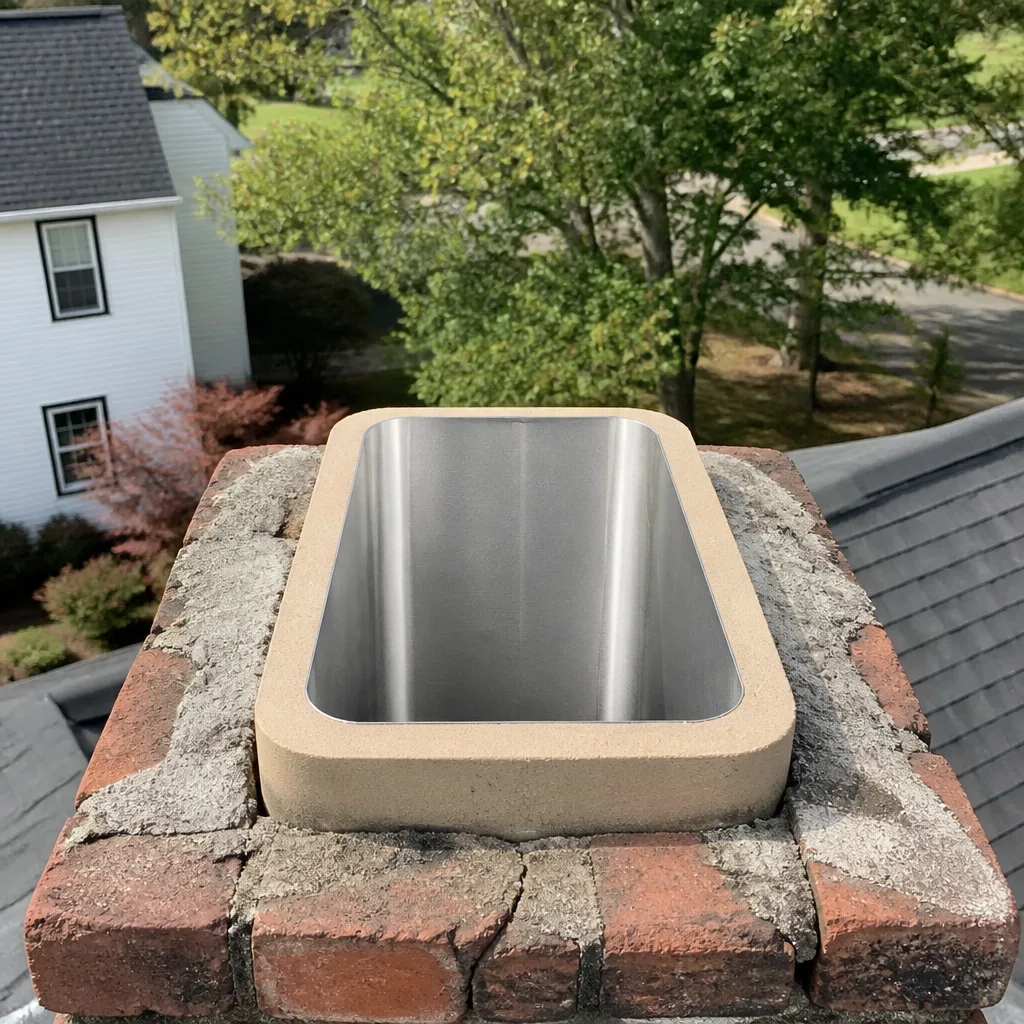
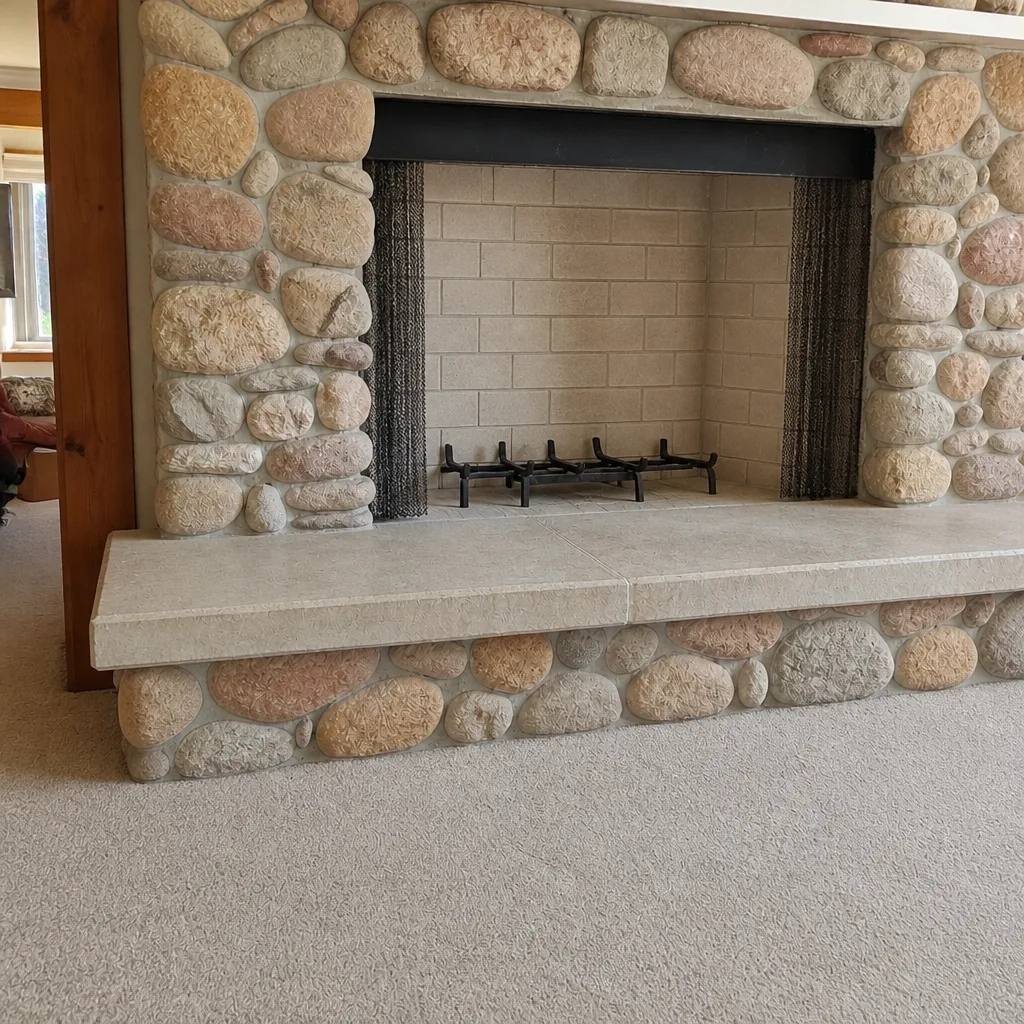
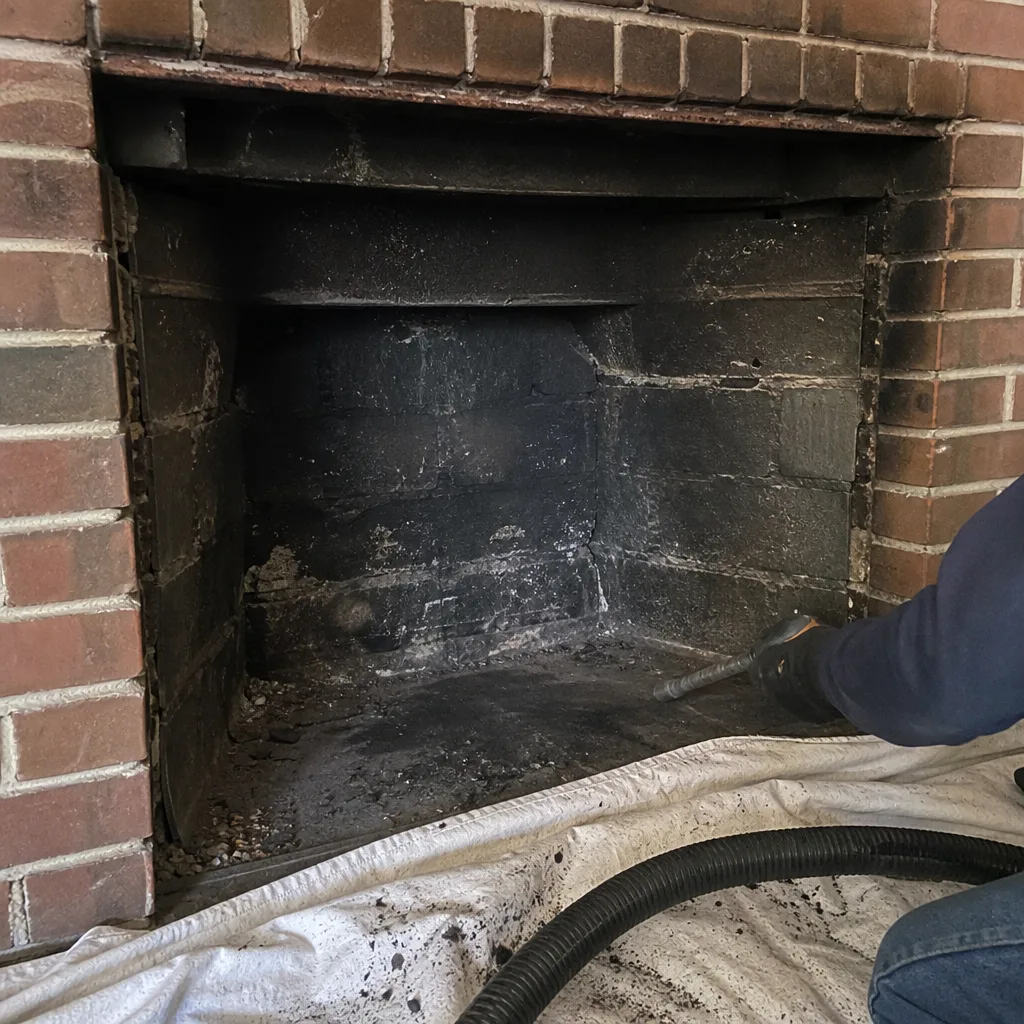
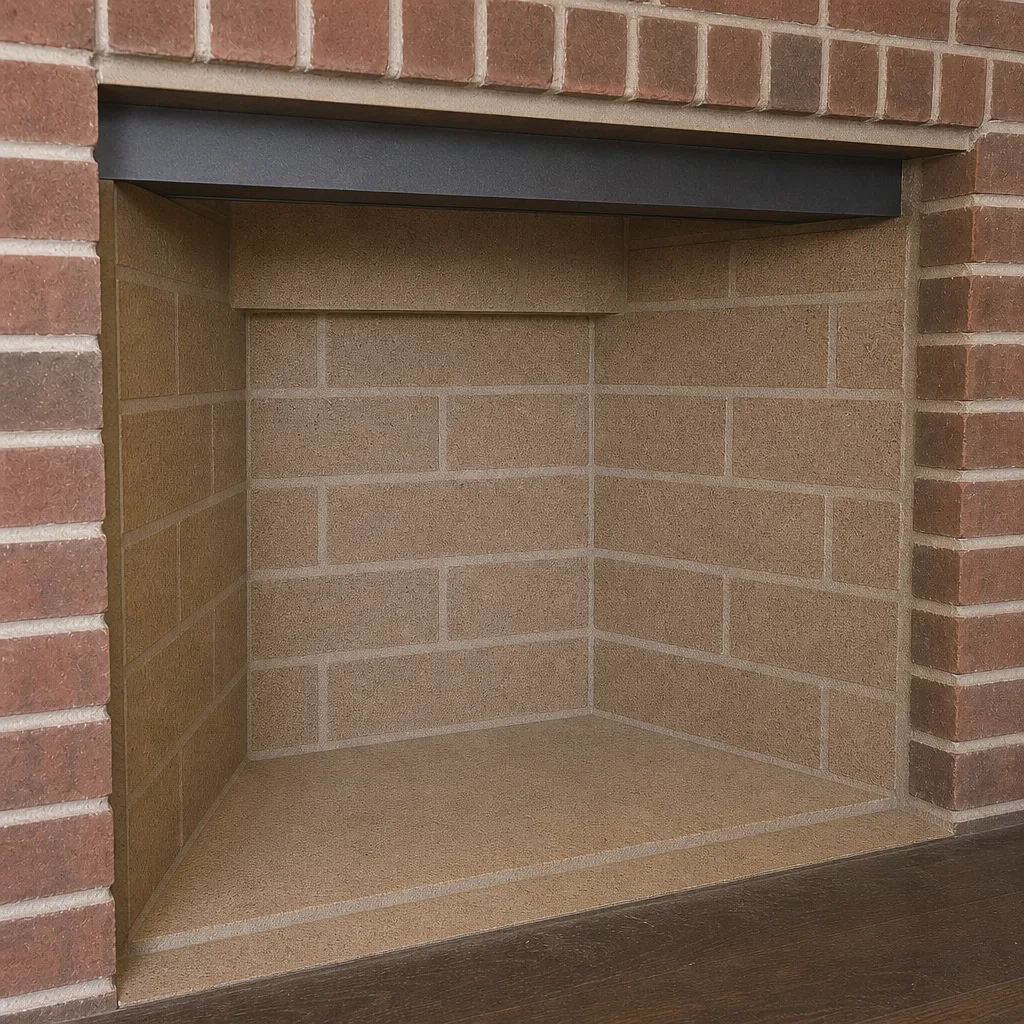
See the difference
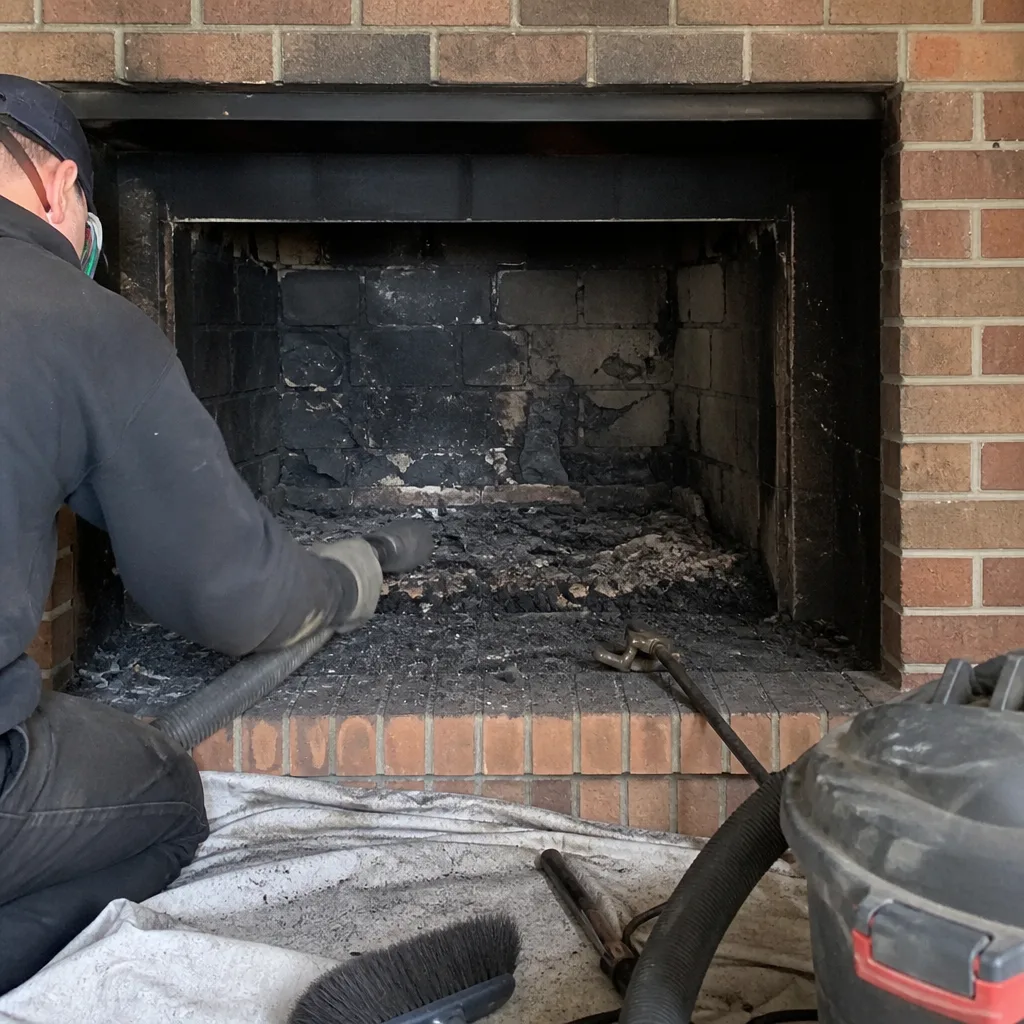 Before
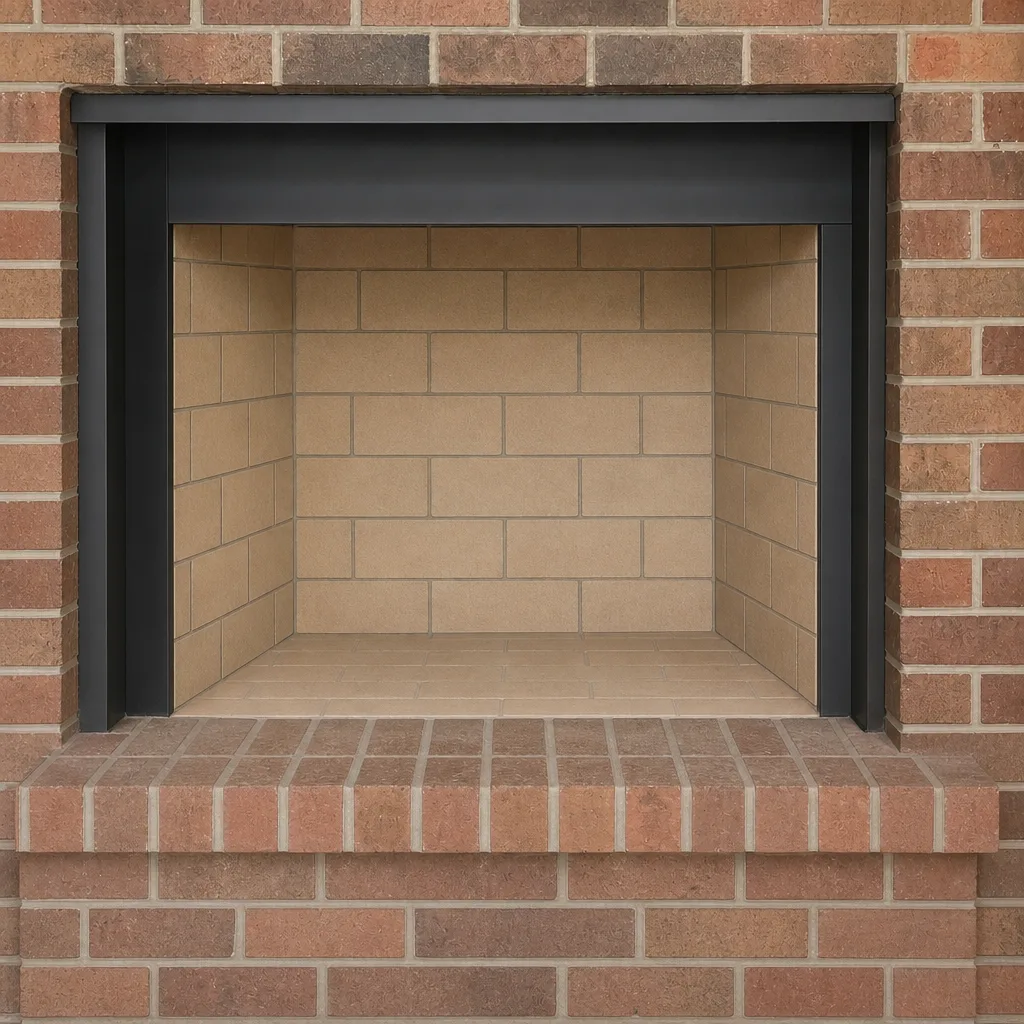 After
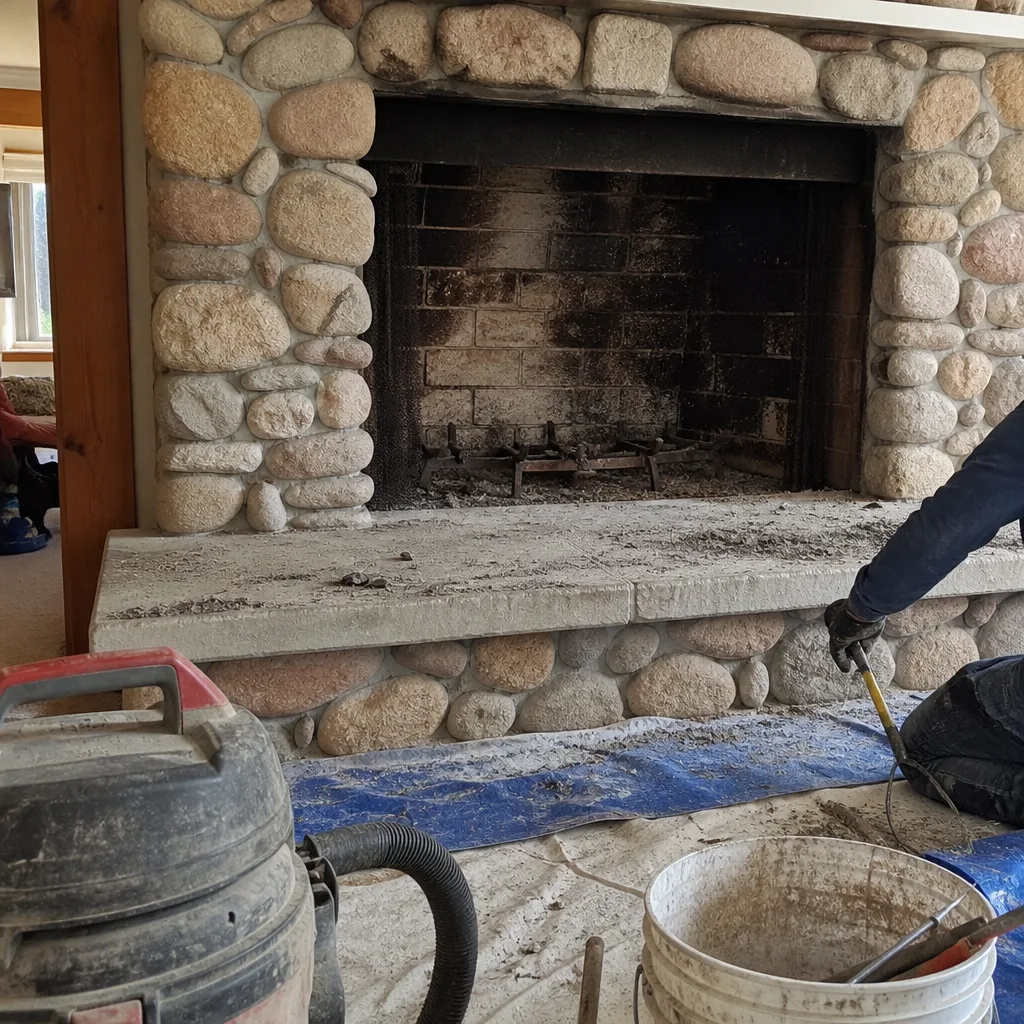 Before
 After
 Before
 After
When to Call a Professional
Call a professional chimney company when any of the following is true. You’ve had a chimney fire, even one you think was small. You see smoke, staining, or creosote that suggest the fire box is getting more than the flue can carry. You notice a crack in the firebox, the crown, or the chimney breast, or a damper that doesn’t sit right. Your flue has never been inspected, or you’ve moved into a Kent home with no sweep record. Your chimney smells like a campfire during warm weather, which is often a sign of creosote buildup that will need attention before winter. Or your carbon monoxide alarm has gone off and you can’t find a reason. Any of those are reasons to have a professional look, and none of them are emergencies you should sit on until the next season starts. Kent Chimney Sweep offers free estimates in Kent. Call (855) 658-3498. We answer 24/7. Fast dispatch from 7am to 7pm, Sunday through Friday.
Frequently Asked Questions
Close the damper and all air controls, get everyone out of the house, and call 911. Do not open the damper to look. Do not pour water down the flue. Do not climb onto the roof. Leave the property and stay out until the fire department clears the structure.
A chimney fire typically produces a low roaring sound, sharp popping or tapping from higher up the flue, smoke and sparks at the chimney top, and a flue pipe or chimney breast hot enough to be painful to touch. A normal fire crackles and pops but doesn’t produce the deep roar. If you’re unsure, treat it as a chimney fire and call it in. A false alarm costs a visit; an ignored fire can cost a flue. Call (855) 658-3498 for a post-event inspection estimate – estimates are free.
Yes. A Level 3 inspection is the appropriate standard after a chimney fire because standard visual checks can’t see inside the flue, the smoke chamber, or the space where the chimney meets framing. Level 3 access may involve opening portions of the chimney structure to inspect what isn’t otherwise visible. It’s the only way to know whether the flue is safe to use again.
No. Do not relight a chimney that has had a fire until a professional has inspected it and confirmed the flue and surrounding structure are sound. Relighting a damaged flue risks a second fire or carbon monoxide backup into the home. Use an alternate heat source until the inspection report is complete.
Most homeowner policies cover chimney fire damage, but the coverage depends on the policy and the cause. Call your insurer as soon as the fire department clears the scene and keep any written inspection report and photographs. The report is what most insurers use to scope the claim, so book the Level 3 inspection early rather than after the claim is filed.
Install a temporary cover over the flue opening
and close the fireplace opening from the room side with plastic or board. Don’t seal the flue itself. Clear the flashing and roof drains, and watch for staining on the interior chimney breast. A permanent cap, such as a Gelco or Famco cap installed to spec, is the right fix once the repair is approved. Call (855) 658-3498 for a temporary-to-permanent cap estimate.
The Bottom Line
Most chimney emergency outcomes are decided in the three minutes of correct action, the honest phone call, and the 72 hours of careful follow-through. Close the damper, get out, call 911. Don’t relight until a Level 3 inspection says it’s safe. Winterize the chimney fast so Kent’s wet season doesn’t turn fire damage into something bigger. And prevent the next fire with dry wood, an annual sweep, and a proper cap. Our technicians have up to 15 years of experience with post-fire inspection, liner resurfacing, and cap and crown installation, and we’ve seen the difference those three minutes make. Kent Chimney Sweep offers free estimates in Kent. Call (855) 658-3498. We answer 24/7. Fast dispatch from 7am to 7pm, Sunday through Friday. For routine care ahead of the fire, start with a chimney sweep and an inspection. If you want the full picture of who we are and how we work, visit Kent Chimney Sweep. And when a fire is over, book the inspection before anything else. A swept chimney is a starting point, not a finish line.
Written by the team at Kent Chimney Sweep.