
Last updated November 25, 2026
 Sweep & inspection
 Caps & crowns
 Flue relining
 Masonry repair
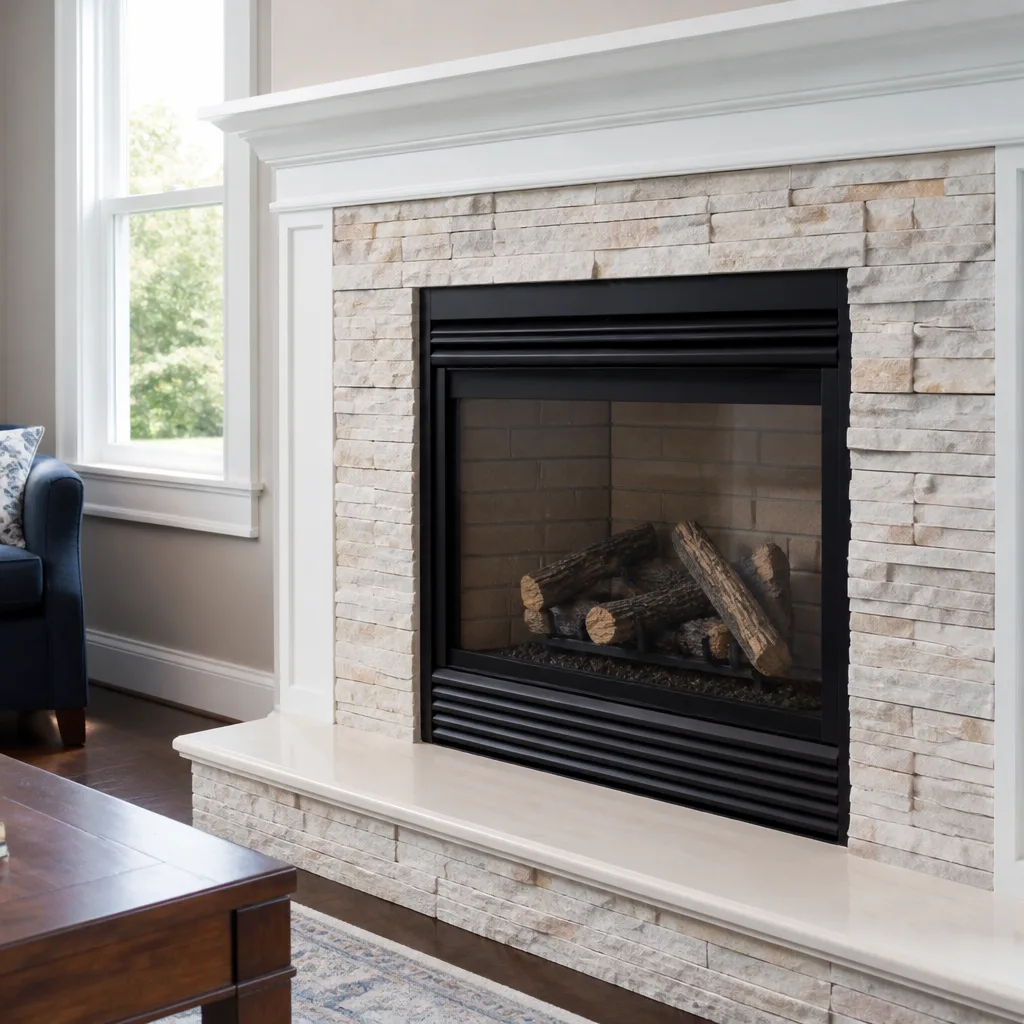 Gas fireplace service
Level 1 sweep and inspection to the NFPA 211 annual standard - flue, crown, cap, and flashing checked and photographed
Chimney sweep logs do not sweep chimneys. They loosen some creosote - which then falls where a brush and vacuum still have to collect it.
Chimney Cleaning Permits, Codes & Inspections in Kent, WA: What You Need to Know
Here’s the uncomfortable part of chimney work that almost nobody explains up front: a routine sweep is maintenance, but a liner replacement is construction. In Washington State that distinction decides whether your project needs a permit, and whether your insurer treats it as a legitimate improvement or an undocumented alteration. Homeowners in Kent run into this most often at two moments, when they sell a house and when they file a fire claim, and by then the paperwork is already years old. What follows is the plain-English version: which chimney jobs in Washington State get permitted, how the International Residential Code reaches King County, what a Level 2 inspection does during a real estate transaction, and how to pull the permit history on any Kent home before you buy it.
Quick Answer
A standard chimney sweep and a Level 1 visual inspection are routine maintenance and generally do not require a permit. Structural or material changes to the chimney system, like installing a new liner, resurfacing a damaged flue, replacing significant masonry, or making changes that affect clearances to combustibles, typically do require a permit through the local building authority. In Kent, that means confirming requirements with the City of Kent’s building department and asking for the permit history on older homes before you buy.
Styles & brands we work with
- Sweep & inspection
- Caps & crowns
- Flue relining
- Masonry repair
- Gas fireplace service
Table of Contents
- Which chimney work needs a permit in Washington State (and what doesn’t)
- How the IRC gets adopted and amended in King County
- What a Level 2 inspection does during a real estate transaction
- Permitted work vs. undocumented work: why the record matters
- How to pull chimney permit history on a Kent home
- The three levels of chimney inspection, explained
- How Kent’s wet season affects chimney codes and repairs
- What to ask a chimney contractor before work begins
Which chimney work needs a permit in Washington State (and what doesn’t)
Washington State doesn’t publish a single “chimney permit” form. Permits come from the local jurisdiction, which means the City of Kent building department sets the rules for a chimney inside city limits. Across Washington, though, the dividing line is consistent: routine maintenance is exempt, and work that changes the chimney system’s structure, materials or clearances is not. A sweep belongs in the first category. A liner installation belongs in the second.
Typically treated as routine maintenance (no permit)
- Chimney sweeping and creosote removal
- Level 1 visual inspection with the standard access you already have
- Installing or replacing a chimney cap on an existing crown
- Minor mortar touch-ups that don’t change the structure
- Fireplace screen, grate and damper hardware repair
Typically requires a permit
- Installing, replacing or resizing a flue liner
- Flue resurfacing work that changes the flue’s interior dimension or material
- Masonry repair beyond surface patching, including crown reconstruction and chimney rebuilds
- Adding a new chimney, stove or insert that changes the appliance’s venting
- Any change that affects required clearance to combustibles
Two caveats matter here. First, this list reflects how most Washington jurisdictions treat chimney work, not a specific line in the Kent municipal code, so confirm with the City of Kent before scheduling anything structural. Second, a contractor who tells you a liner replacement never needs a permit is telling you something about how they operate. Our technicians have up to 15 years of experience, and in that time the pattern we’ve seen is consistent: the jobs that skip permits are the ones that cause trouble years later. If a repair is structural, we pull the permit.
How the IRC gets adopted and amended in King County
The International Residential Code (IRC) is the model code most of the country’s one- and two-family home rules descend from. Washington adopts the IRC on a statewide cycle, then local jurisdictions like Kent and the surrounding King County cities adopt their own editions and amend them. The practical effect for a Kent homeowner is that the code edition in force for your project may differ from a neighboring city’s, and something as ordinary as clearance to a wood-framed wall can get measured against a different number than a contractor from another county is used to.
For chimneys, the IRC provisions you’ll hear inspectors and technicians reference cover a few recurring themes:
- Clearance to combustibles. The IRC measures the space required between a chimney or vent connector and wood framing, drywall and other combustible materials. Replacing a liner can change those dimensions, which is the main reason a liner job is a permitted project rather than a swap.
- Liner materials. The code recognizes specific listed liner materials and installation methods. That’s why we stock from professional-grade brands like DuraFlex and HeatShield rather than generic substitutes: listed components are what an inspector looks for, and what an insurer expects to see on record.
- Termination and cap requirements. Height above the roof and above nearby rooflines is codified, and it’s the most common place a homeowner-installed cap fails an inspection.
- Chase and clearance at penetration. Where a chimney passes through a floor or ceiling, the framing distance and any required shields are spelled out.
King County’s local amendments add their own wrinkles, particularly around older housing stock and seismic considerations in masonry. This is the part where a general “hire a pro” answer isn’t good enough. Ask any contractor which code edition they’re working to and whether they pull permits for the scope you’re discussing. The answer tells you more than any review will.
What a Level 2 inspection does during a real estate transaction
Washington is a seller disclosure state. Sellers are required to disclose known material defects in the property, and a chimney that has been relined without a permit, has visible cracking in the flue, or has a crown that’s failed and let water into the masonry is exactly that kind of material defect. A Level 2 inspection is the industry’s inspection-of-record for a real estate transaction, and it’s the one buyers and their agents should schedule before closing.
What makes a Level 2 inspection different from the sweep you get every fall is access. It requires inspection of accessible areas of the chimney, including the interior flue and any accessible parts of the attic, crawlspace and other spaces the chimney passes through, typically with a camera. In Kent’s older neighborhoods, from East Hill to the Kent Valley, that camera run is often the first time anyone has seen the inside of a flue since it was originally built.
For a buyer, the value is straightforward. A Level 2 inspection tells you:
- Whether the liner is intact, correctly sized and appropriately listed for the appliance venting into it.
- Whether there’s evidence of past fire, excessive creosote, or a prior repair done without documentation.
- Whether the crown, cap and flashing are sound, which is where most water intrusion starts.
- Whether the clearances to combustibles look consistent with the code that applied when the chimney was built, or whether something has been altered.
- Whether there is anything a reasonable seller should have disclosed, which is what your agent needs to know before the negotiation ends.
We tell you what we found before we tell you what it costs. During a transaction, that means a written report with pictures you can attach to your inspection response, not a verbal shrug. If a chimney passes, you’ll know. If it doesn’t, you’ll know why and roughly what fixing it involves.
Permitted work vs. undocumented work: why the record matters
Here’s the counterintuitive part. A homeowner who had a liner installed ten years ago without a permit often has a chimney that works fine, and the problem doesn’t show up until they file a claim or sell. That’s when the undocumented work becomes the insurer’s or the buyer’s reason to push back. “Undocumented” reads very differently from “permitted and inspected.”
The differences show up in three places.
Insurance
After a chimney-related fire, an insurer will look at what was installed, when it was installed and who installed it. A permitted, inspected and listed-material installation is a documented improvement. Undocumented work invites the insurer to ask whether it caused or contributed to the loss, and the homeowner has no inspection record to point to. We can’t speak for any particular carrier, and we don’t write policies, but we can tell you that a paper trail is easier to defend than an absence of one.
Resale
Washington’s disclosure requirement means a seller has to disclose known material defects. If you bought a house with a relined chimney and there’s no permit on file, your buyer’s inspector will find it, and the buyer’s agent will ask for it. The cleanest answer at closing is a permit number and an inspection approval, not an explanation.
Insurability of future repairs
An insurer or a mortgage underwriter looking at a chimney file wants to see a continuous record. Once a chimney has been repaired without documentation, later permitted work has to address that gap, sometimes with a Level 2 inspection to establish the baseline before the new scope is approved. This gets expensive in the wrong direction. A homeowner who pulls the permit the first time avoids the second trip.
If you already own a Kent home with an unknown chimney history, it’s worth ordering a Level 2 inspection now, before a sale or a claim forces the question. You can also link it to a standard chimney sweep while the technician is on the roof.
How to pull chimney permit history on a Kent home
You can request permit records for any Kent address through the City of Kent’s building department, and most of the process can be done without a contractor. Here’s how it typically goes.
- Start with the address and parcel number. The King County Assessor’s records will give you the parcel number, which helps the city match records even if the street address has been formatted differently over time.
- Contact the City of Kent building department. Ask for a permit history on the property, including closed and expired permits. A permit that was issued but never inspected is worth knowing about.
- Ask specifically for chimney and fireplace permits. General building permits won’t always surface a liner or fireplace job if it was pulled under a broader scope, so ask the clerk to search by permit type and by the year range you care about.
- Request inspection sign-offs, not just permit numbers. A permit that was pulled but never finaled is not the same as an inspected installation. The inspection record is what matters for insurance and resale.
- Cross-check with any seller disclosures or your own real estate files. If the seller disclosed a chimney repair, the permit should be traceable.
- Note any gap, and treat it as a finding. No chimney permit on a home that clearly had one installed is information you can use in negotiation or in scheduling your own inspection.
The process is usually free or a small copy fee, and the information is the single most useful thing you can have when buying any home built before the past couple of decades in Kent. It also tells you what to expect when you call us, because we can work from that record when scoping a repair or a chimney repair.
The three levels of chimney inspection, explained
The chimney trade uses a three-level inspection framework, and knowing which one you need saves money and confusion. Most homeowners only ever need Level 1 or Level 2; Level 3 is uncommon and usually follows a specific event.
Level 1: routine annual inspection
A Level 1 inspection covers the readily accessible portions of the chimney and venting with the standard tools you’d use during a sweep. It’s the inspection that comes with your annual cleaning, and it’s appropriate when nothing has changed: same appliance, same fuel, same setup, no known problems. In Kent, a fall Level 1 combined with the sweep is the baseline for most homes on a regular schedule.
Level 2: the transaction and after-event inspection
A Level 2 inspection adds accessible attic, crawlspace and other concealed areas plus a camera run of the flue. It’s the standard for a real estate transaction, after a chimney fire, after a seismic event or significant storm, when a change has been made to the appliance or fuel type, or when the chimney’s history is unknown. Most of the questions on this page resolve with a Level 2 inspection, which is why we recommend it as the starting point for any Ken home with an unclear chimney record.
Level 3: diagnostic access
A Level 3 inspection is called for when a Level 1 or Level 2 raises a concern that can’t be resolved without opening up the chimney. It may involve removing parts of the structure to access concealed areas, and it’s not something to schedule casually. It’s the inspection that answers the question “what’s actually behind this wall,” and it’s used when the alternative is guessing.
Neither a Level 1 nor a Level 2 is a permit substitute. If the inspection finds work that requires a permit, the permit still gets pulled. What the inspection gives you is a documented starting point, which is the piece that’s missing on most older homes in Kent.
How Kent’s wet season affects chimney codes and repairs
Kent sits in the Puget Sound lowlands, and the wet season runs long. Roughly half the year delivers steady rain against the chimney’s exposed surfaces, and that has a direct bearing on what fails first and what repairs matter. It also explains why the IRC’s cap and crown requirements exist: the code isn’t checking a box. It’s trying to keep water out of masonry, and masonry that stays wet through a Washington winter is masonry that’s going to crack, spall and eventually fail.
The typical failure sequence we see in Kent looks like this:
- The crown cracks, often at the mortar joints where the crown meets the flue.
- Water enters the masonry and freezes during the cold snaps that still reach the lowlands, expanding as it freezes.
- Spalling begins, with the face of the brick flaking off through cycles of freeze and thaw.
- The liner is compromised by moisture and thermal stress, and clearance problems become real.
A properly installed cap and a sound crown, using manufacturer-grade components like Gelco or Famco, break that sequence. It’s one of the reasons cap and crown work belongs in the same visit as a sweep and an inspection: it’s cheap now and structural later. In a Kent home, the chimney also needs to be inspected after any season with sustained wind and rain that drove water sideways against the flashing, because that’s when hidden intrusion is most likely.
One threshold worth knowing: when accumulated creosote in a wood-burning flue reaches a heavy, glazed stage, a standard sweep won’t remove it, and a chemical treatment may be necessary before the chimney is safe for use. A sweep and a Level 2 inspection together catch that before it becomes a fire hazard. We say “safe for use” and mean it literally: chimney fires and carbon monoxide exposure are the two outcomes that make an ignored flue dangerous, not just inconvenient.
There’s also the question of the fireplace itself. Water intrusion often shows up first as a damaged firebox, a cracked damper or rusted hardware, which is a fireplace repair job rather than a chimney one. Working on the whole system in one visit is the only way to catch that before it costs more to fix.
What to ask a chimney contractor before work begins
Most of the anxiety homeowners have about chimney work comes down to not being able to tell whether the recommendation is real. The simplest fix is to know what to ask before anyone touches the roof. Here’s our list.
- “Will this need a permit?” For a sweep, the answer should be no. For a liner, a resurfacing, a rebuild or a change to the appliance’s venting, the answer should be yes, and the contractor should be the one to pull it.
- “What inspection level are you performing, and what does the report include?” A camera inspection with a written report and photos is the standard. A verbal “looks fine” is not.
- “What materials are you installing?” Listed products from brands like DuraFlex, HeatShield, Olympia Chimney, Copperfield or Famco are what inspection and insurance expect. Generic substitutes are not equivalent, even when they look the same.
- “Is the estimate in writing, with the scope itemized?” The written estimate sets the final price. If it doesn’t exist, nothing has been agreed.
- “What are you going to do if the camera shows a problem you didn’t expect?” A technician who stops and shows you the photo before recommending work is the one you want. The one who discovers a whole new problem after work begins is the one to avoid.
- “Can this safely wait until next season?” Not every finding is urgent. If a contractor can’t tell you what can wait, that’s a flag.
A chimney cap and crown that look fine from the ground can still be failing at the flashing. You don’t need to be able to diagnose that yourself. You need a technician who can walk you through what the camera showed and let you decide.
Common Mistakes to Avoid
- Assuming all chimney work is “maintenance.” The single most common mistake in Kent is treating a liner job like a sweep. That’s the one place a permit gap can circle back at insurance claim time.
- Accepting a verbal estimate. Chimney work varies widely with what’s actually found in the flue. A verbal estimate is either too high to be trusted or too low to be real, and the written scope is what protects you at the end.
- Skipping the camera inspection on an older home. Homes built in past decades in Kent often have flues nobody has looked inside since installation. A Level 2 inspection is cheap relative to opening a wall after a claim.
- Installing a hardware-store cap. A generic cap may not meet the code dimensions for your flue or the manufacturer’s spec for your chimney. Gelco and Famco caps are installed to spec for a reason.
- Skipping the annual sweep because “we don’t burn much.” Even light use can leave creosote in a wood flue, and a Level 1 inspection catches crown failure, cracking and cap damage before they become structural.
- Not pulling permit history before buying. The info is available through the City of Kent. A missing record is not a dealbreaker, but it is negotiation leverage.
- Using the fireplace after a finding of heavy creosote or damage. Wait for the repair. The reason the trade treats this seriously is a real risk of chimney fire and carbon monoxide exposure, not a sales tactic.
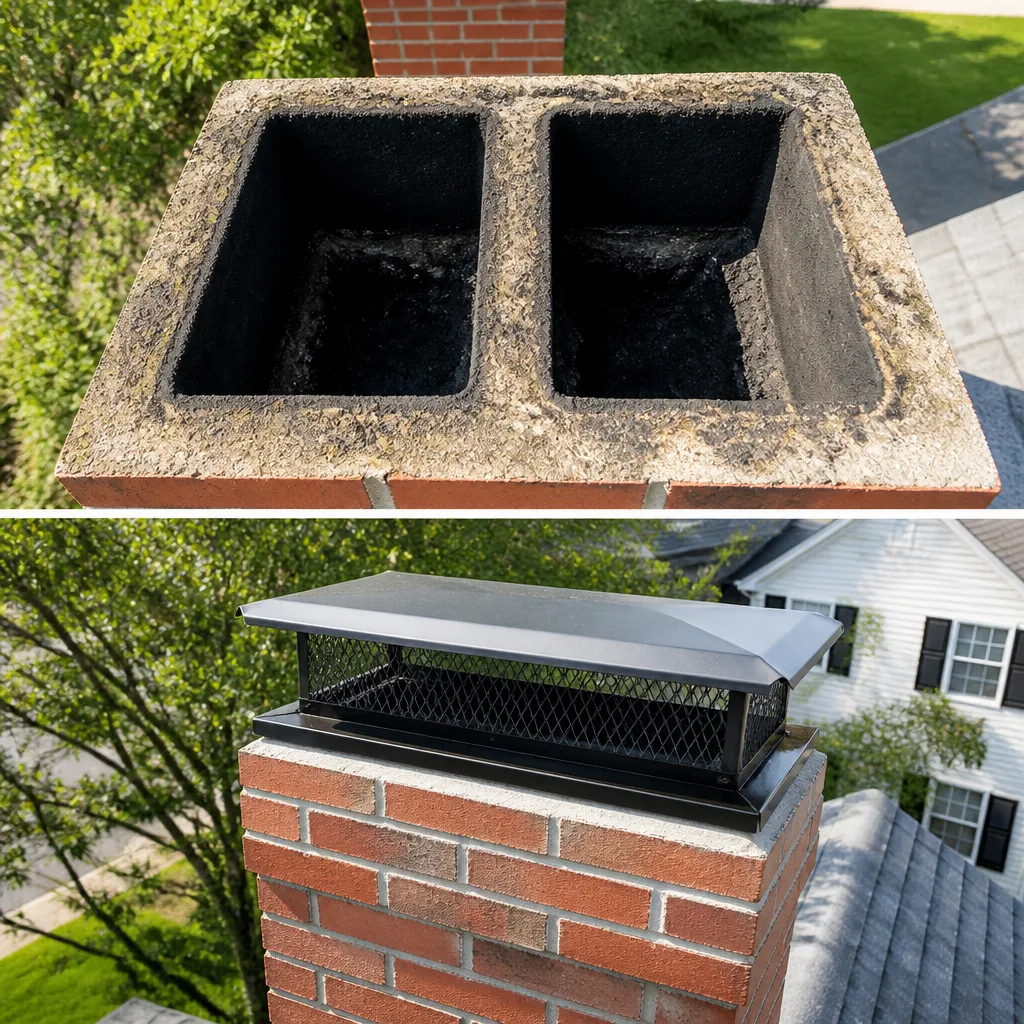
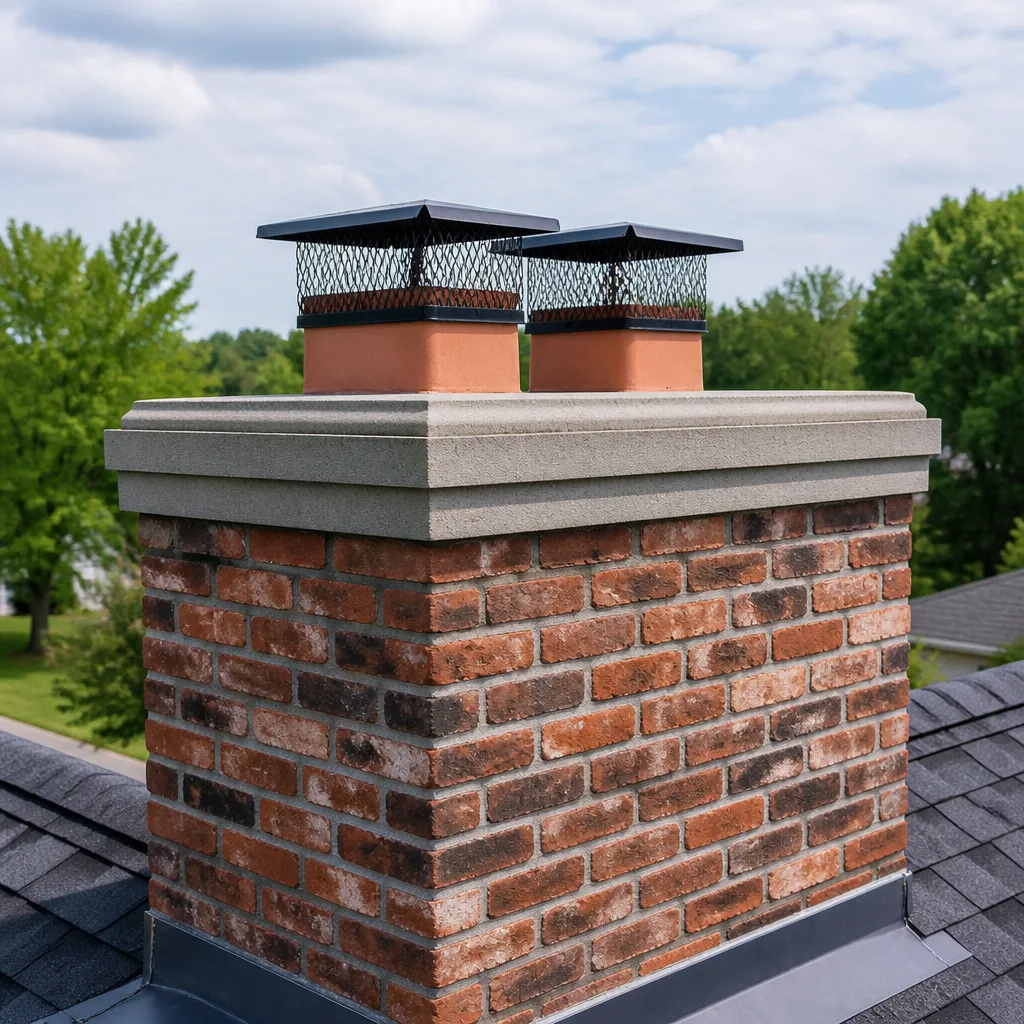
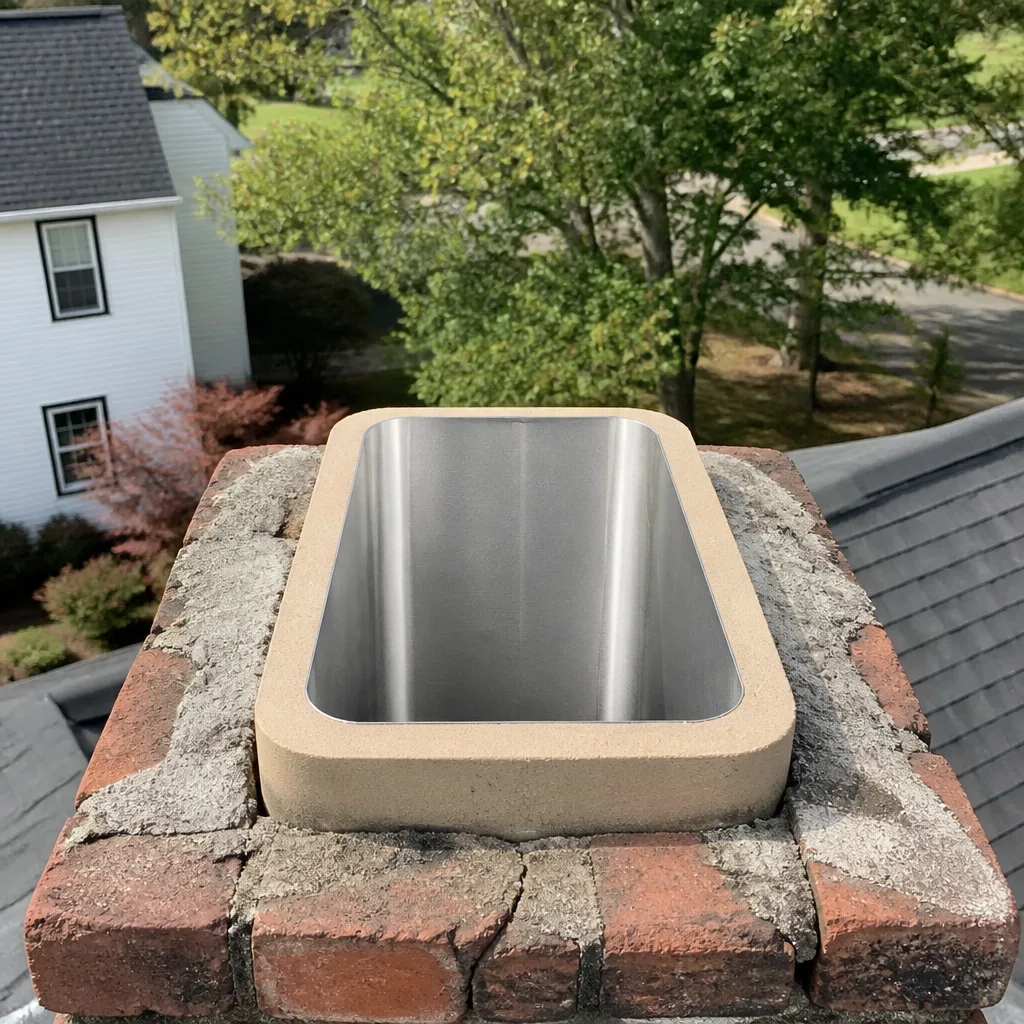
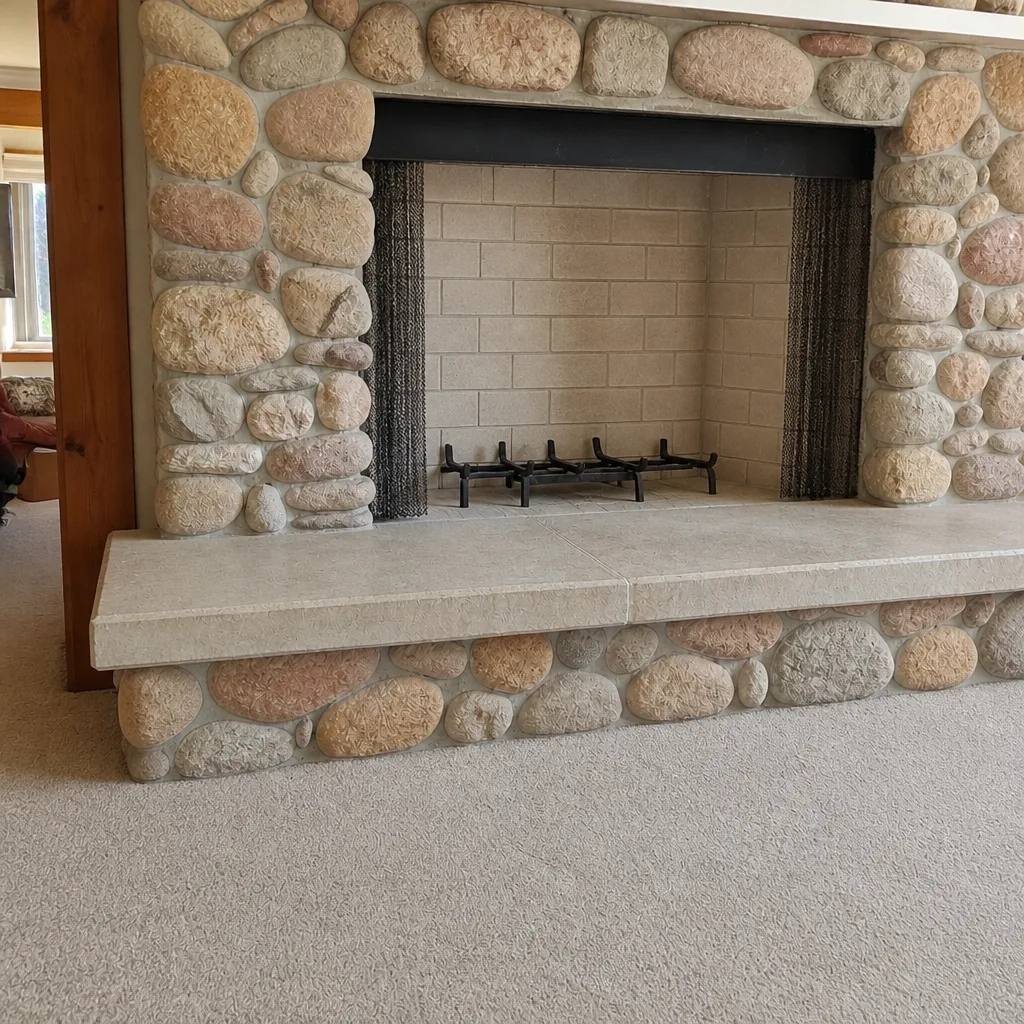
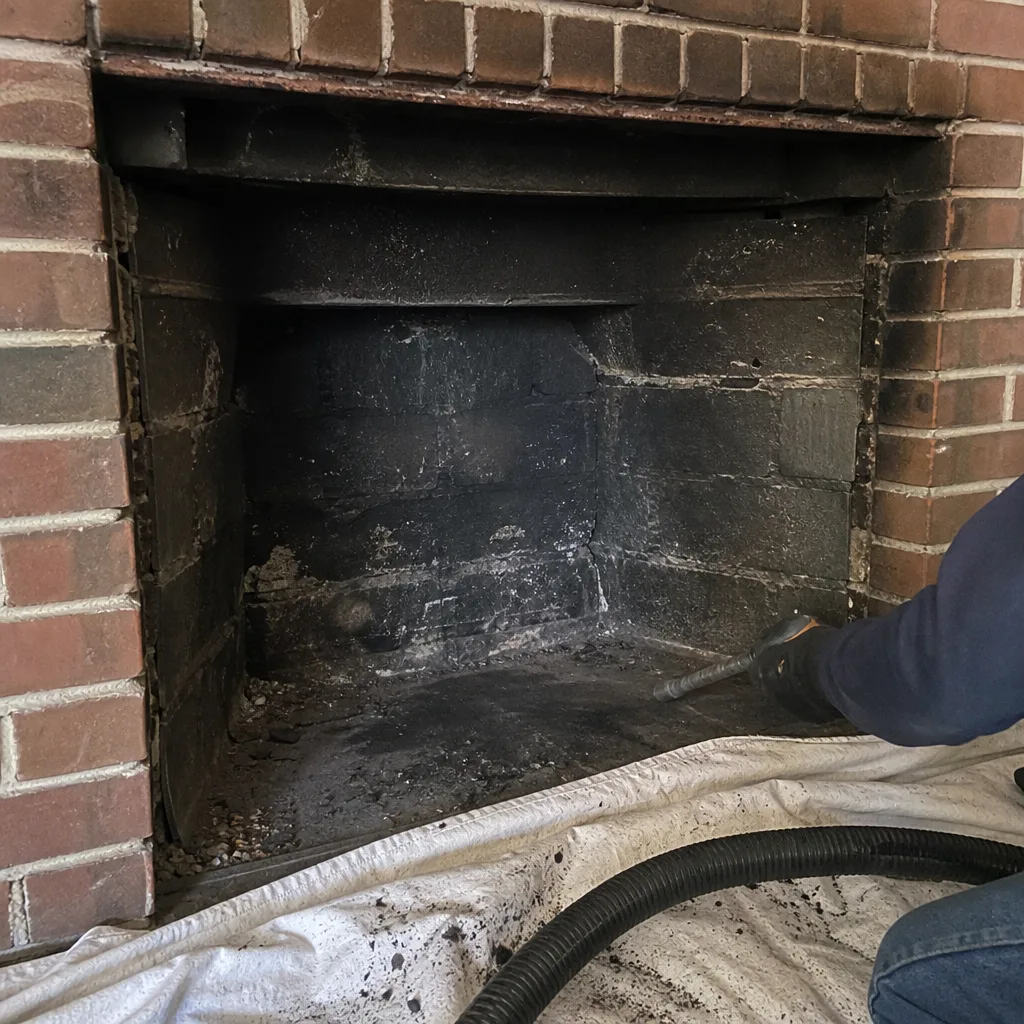
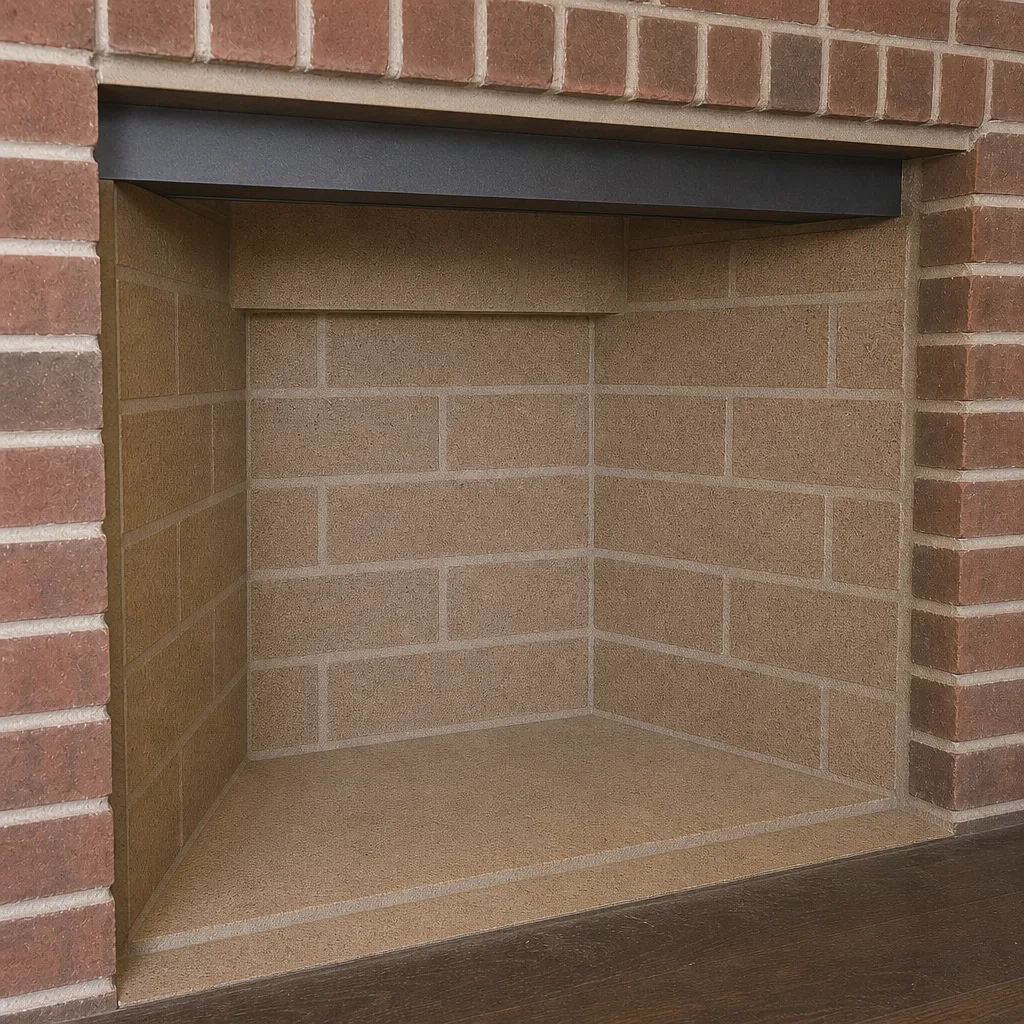
See the difference
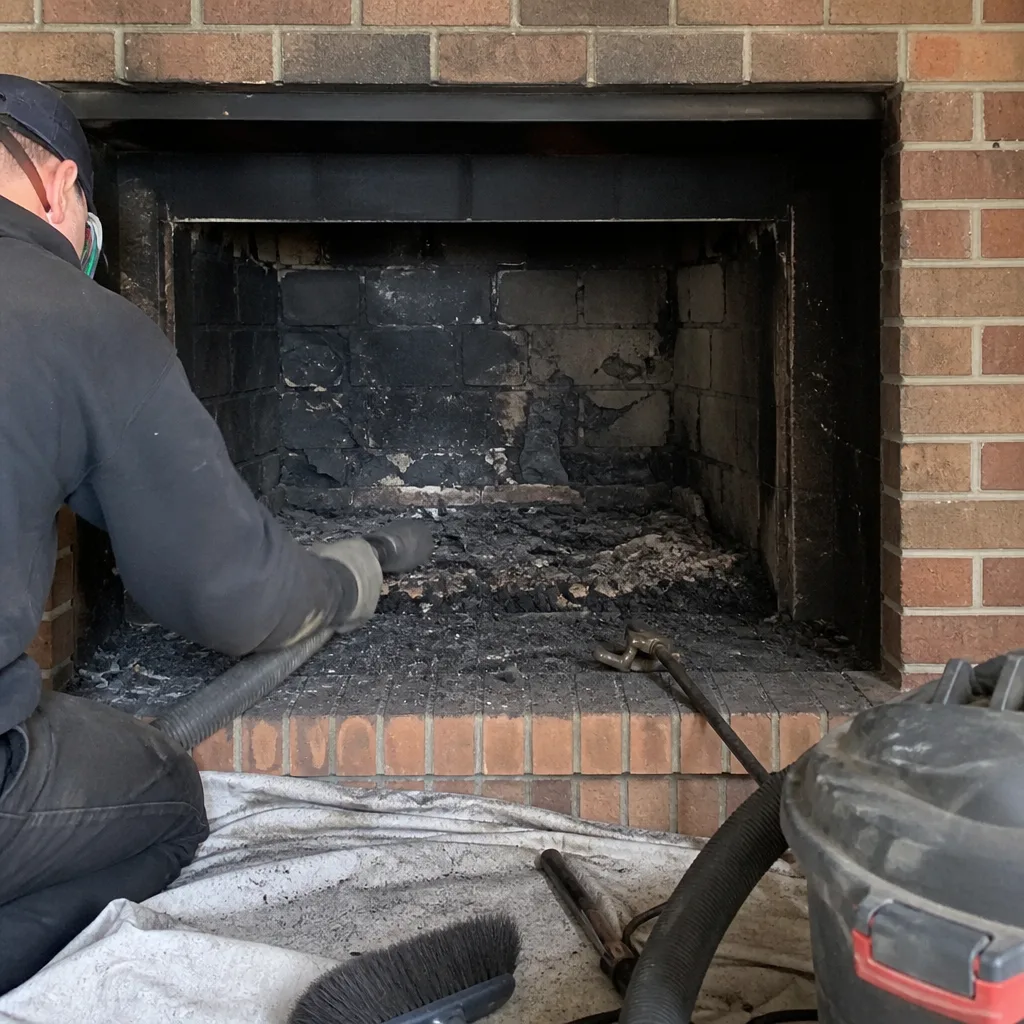 Before
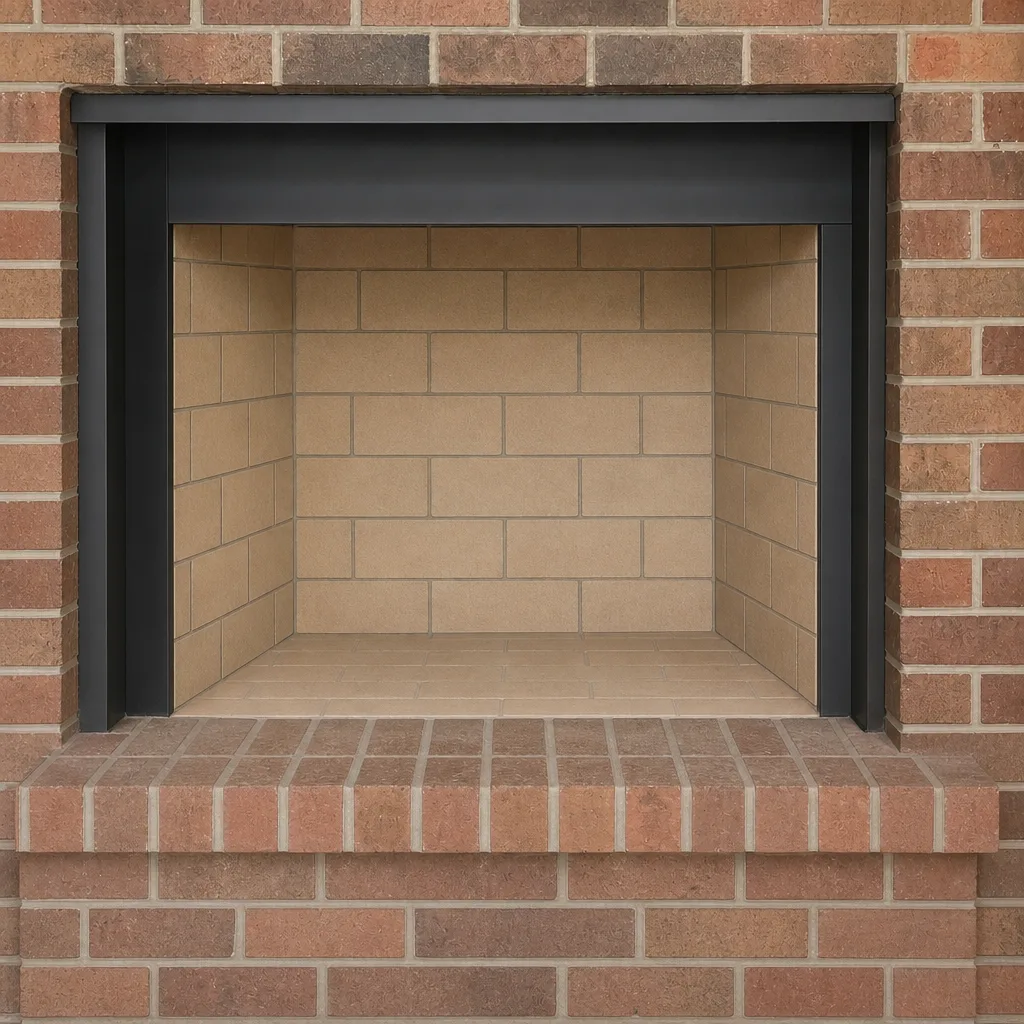 After
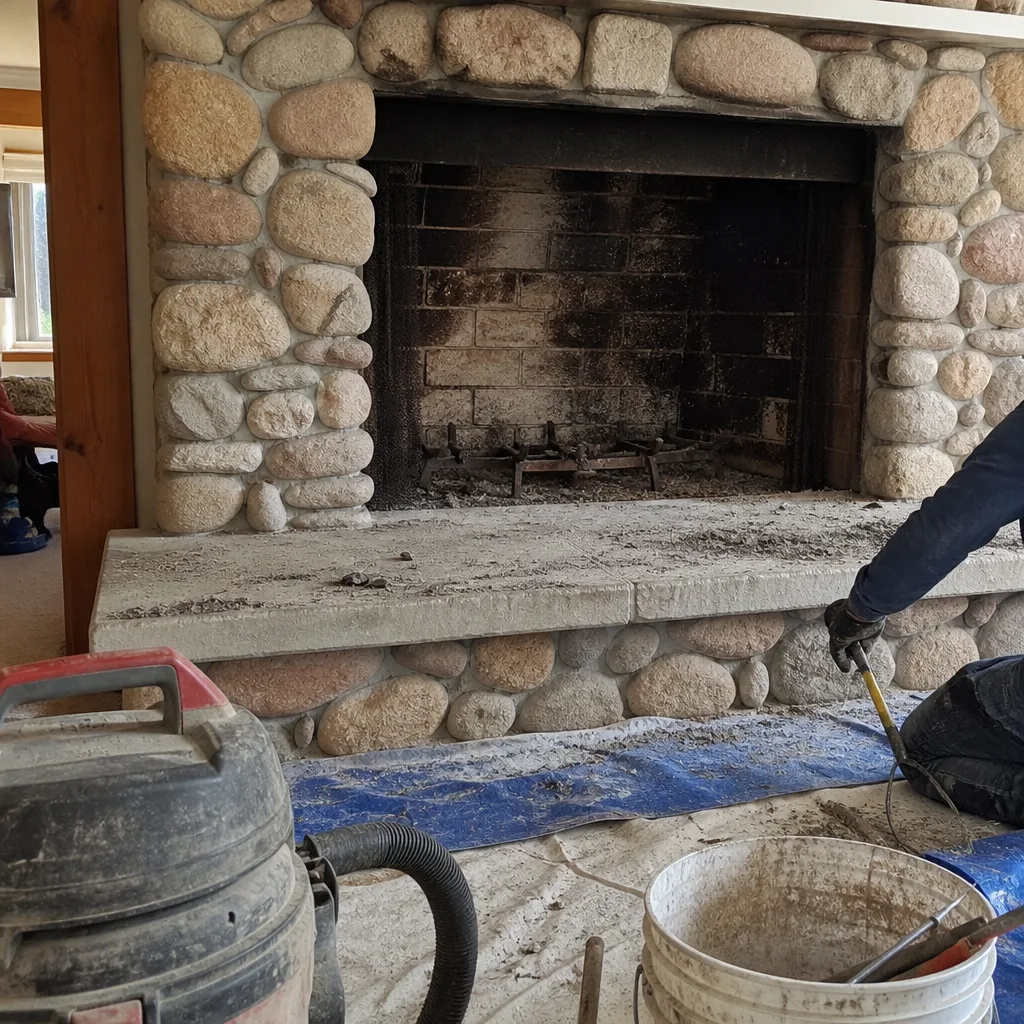 Before
 After
 Before
 After
When to Call a Professional
Call us when the chimney is doing something you can’t explain. Water staining on a ceiling or chimney breast after a Kent rainstorm, a smoke smell in the room with the damper closed, a fire that drafts poorly or smokes when it didn’t last season, a piece of masonry or cap in the yard after wind, or a sweep scheduled on a home with no known chimney history: those are the moments to bring someone in. Also call before a real estate transaction, so the buyer and the seller both have a Level 2 inspection on record. Safety matters here. Liner work and structural chimney repairs are jobs for a trained technician, not a homeowner project, and a flue that’s been damaged or misfunctioning can put carbon monoxide into a house before anyone notices. Kent Chimney Sweep offers free estimates in Kent. Call (855) 658-3498. We answer 24/7. Fast dispatch from 7am to 7pm, Sunday through Friday.
Frequently Asked Questions
No. A routine chimney sweep and a Level 1 inspection are treated as regular maintenance and generally do not require a permit in Kent or anywhere else in Washington State. If the sweep uncovers something structural, like a damaged liner or a failing crown, that follow-up work may require a permit through the City of Kent building department. Call (855) 658-3498 for an exact scope and estimate.
In most cases, yes. A liner replacement or flue resurfacing changes the material and often the dimension of the flue, and it affects clearances to combustibles, which is why the work is treated as a permitted project rather than a maintenance item. Confirm the specifics with the City of Kent’s building department before work starts. We pull permits for structural chimney work, and you’ll see the permit on the record.
A Level 2 inspection is the standard for a Washington real estate transaction. It covers accessible attic, crawlspace and concealed areas plus a camera run of the flue, and it produces a written report with photos you can use in the disclosure and in the negotiation. Schedule it before listing rather than after the buyer’s inspector finds a problem. Call (855) 658-3498 and we’ll walk you through what the report will include.
Request the permit history through the City of Kent’s building department using the property address and the King County Assessor’s parcel number. Ask specifically for chimney and fireplace permits, and request the inspection sign-offs rather than just permit numbers. If a permit was pulled but never finaled, that’s worth knowing before closing, and it’s easier to resolve before the sale than after. Call (855) 658-3498 if you want us to interpret what you find.
A sweep removes creosote and debris from the flue; an inspection is a documented evaluation of the chimney’s condition at one of three levels. The sweep and a Level 1 inspection usually happen together, which is why an annual cleaning is also the cheapest way to catch crown, cap and flue problems early. If the history of the chimney is unclear, we’ll recommend a Level 2 with camera so you have a real baseline. Call (855) 658-3498 for an exact quote, and estimates are free.
A new liner is only the right answer when the existing liner is cracked, incorrectly sized for the appliance, improperly installed or no longer listed for the venting it serves, and those determinations require the camera inspection to be sure. If the liner is sound and just has normal buildup, a sweep and a chip repair may be all you need. When resurfacing will solve the problem without a full liner replacement, we offer HeatShield resurfacing as a lower-disruption option. Call (855) 658-3498 for an exact quote, and we’ll show you what the camera found before recommending anything.
The Bottom Line
Routine sweeps and Level 1 inspections don’t need permits in Washington State. New liners, resurfacing, masonry rebuilds and any change that touches clearances usually do, and the permit gets pulled through the City of Kent. The IRC reaches King County with local amendments that shape how a technician measures and specifies chimney work, and a Level 2 inspection is the record that most real estate transactions and insurers want to see. If you’re buying in Kent, request the permit history before you close. If you already own, order a Level 2 inspection now, while there’s time to do the work well instead of in a hurry. None of it is complicated, but all of it matters more than most homeowners realize until they need it.
Ready to get a real picture of your chimney? Reach out through Kent Chimney Sweep, call (855) 658-3498, or ask about a free estimate in Kent. We answer 24/7. Fast dispatch from 7am to 7pm, Sunday through Friday. We’ll tell you what we found before we tell you what it costs.
Written by the team at Kent Chimney Sweep.