
Last updated November 25, 2026
 Sweep & inspection
 Caps & crowns
 Flue relining
 Masonry repair
 Gas fireplace service
Level 1 sweep and inspection to the NFPA 211 annual standard - flue, crown, cap, and flashing checked and photographed
Chimney sweep logs do not sweep chimneys. They loosen some creosote - which then falls where a brush and vacuum still have to collect it.
Seasonal Chimney Cleaning Care for Kent: Year-Round Homeowner’s Guide
The worst month to book a chimney sweep in Kent is October. That’s when the first cold snap hits, everyone lights the first fire of the season, and every sweep’s calendar fills up in the same two weeks. The homeowners who avoid that scramble aren’t luckier than you. They swept in spring, right after the burning season ended, and they spent the off-season dealing with the structural things that only show up when the chimney is dry. This guide walks you through a full twelve-month calendar for your chimney in Kent, from the creosote chemistry that makes spring sweeping matter, to the crown and cap checks that matter most in August, to the short fall ritual that can keep a chimney fire from ever starting.
Quick Answer
In Kent, the chimney care calendar should run on two tracks: a main sweep in spring right after the burning season ends, and a structural inspection in summer or early fall before the wet season returns. Homes burning more than three cords of wood per year benefit from a second sweep in late fall. The key point most chimney guides miss is that spring and summer are the damage window. Creosote hardens through summer heat, and winter freeze-thaw cycles open crown cracks that then let water into masonry for the rest of the year.
Styles & brands we work with
- Sweep & inspection
- Caps & crowns
- Flue relining
- Masonry repair
- Gas fireplace service
Table of Contents
- Why Spring Is the Best Time to Sweep in Kent
- What Happens to Creosote in Summer Heat
- The Summer Inspection: Cap, Crown, and Flashing
- How Kent’s Wet Winters Affect Masonry and Mortar
- The Fall Pre-Season Checklist
- When Two Sweeps a Year Makes Sense
- What You Can Check Yourself vs. What Needs a Pro
- Your Kent Chimney Calendar at a Glance
Why Spring Is the Best Time to Sweep in Kent
Spring sweeping catches creosote before it sets. When you sweep in April or May, the creosote that built up over the winter is still relatively soft, glazed in some spots but not fully hardened by summer heat. A sweep at that point removes more of it in one pass. A sweep in October removes less, and it also means you go into the burning season with a chimney that sat dirty for five months through the hot, dry stretch when glazed creosote can become harder to dislodge.
There are practical reasons spring sweeping fits Kent life better, too.
- Calendar availability. Spring is the slowest stretch for chimney professionals. You can usually get the appointment you want. October is the opposite.
- Weather allows structural work. If the sweep finds a cracked crown or loose flashing, spring and summer are when that repair can actually be done. Scheduling a repair in November is harder and often has to wait.
- You have time to plan. A liner replacement flagged in spring can be priced, planned, and finished before the first cold morning. A liner flagged in late October is a hurry-up job.
- You get a baseline for the year. A spring inspection gives you a clean starting point. When the fall inspection comes around, the sweep knows what was normal in April and can tell what changed.
The idea that chimneys only matter in winter is the single most common misconception we run into. Chimneys are like roofs and gutters: the seasons when no one is using them are exactly when the structural work has to happen. If you’re starting a seasonal routine in Kent, the spring chimney sweep is the anchor appointment.
What Happens to Creosote in Summer Heat
Creosote changes physically through the year, and this is the part most chimney guides skip. There are three broad stages of creosote deposit:
- Stage 1: soot and light flaky deposits. This is what you get from a well-seasoned fire with good draft. It brushes off easily.
- Stage 2: crusty, brittle deposits. Partial combustion of wood creates these. They come off with a proper brush and some pressure.
- Stage 3: glazed, hard deposits. Fuel-rich fires (wet wood, closed dampers, cool flue temperatures) leave behind a tar-like residue that bakes onto the flue tile. Brushing alone may not remove it; it often needs chemical treatment or mechanical removal with rotary tools.
Here’s where summer matters. Creosote that is deposited during the winter sits at a moderate temperature through the shoulder seasons and stays relatively workable. Then the long, warm Kent summer bakes the flue. Any moisture inside the deposited creosote gradually evaporates, and what’s left hardens. By the time the fire is lit again in October, what was stage 2 in March may have moved closer to stage 3 in September. Sweeping in spring catches the deposit while it’s holding less moisture and less heat-hardened, which is why the removal tends to be more complete.
There’s a second, quieter risk. Creosote itself is corrosive to masonry when it’s in contact with moisture. Sitting on flue tile for six months of the year, dry then wet then dry, it slowly works into the joints. That’s why we encourage spring sweeps rather than fall sweeps: it’s not just about what gets removed, it’s about what doesn’t stay on the tile all summer. Getting the flue clean and inspecting the tile for corrosion in spring means any damage is caught in May instead of November.
The Summer Inspection: Cap, Crown, and Flashing
Summer is inspection season for the components most people never think about. The chimney is dry, the ladder work is safer, and any repair can be done in dry weather that lets mortar, sealant, and coatings cure properly. Three areas deserve particular attention in Kent during the summer:
The chimney cap
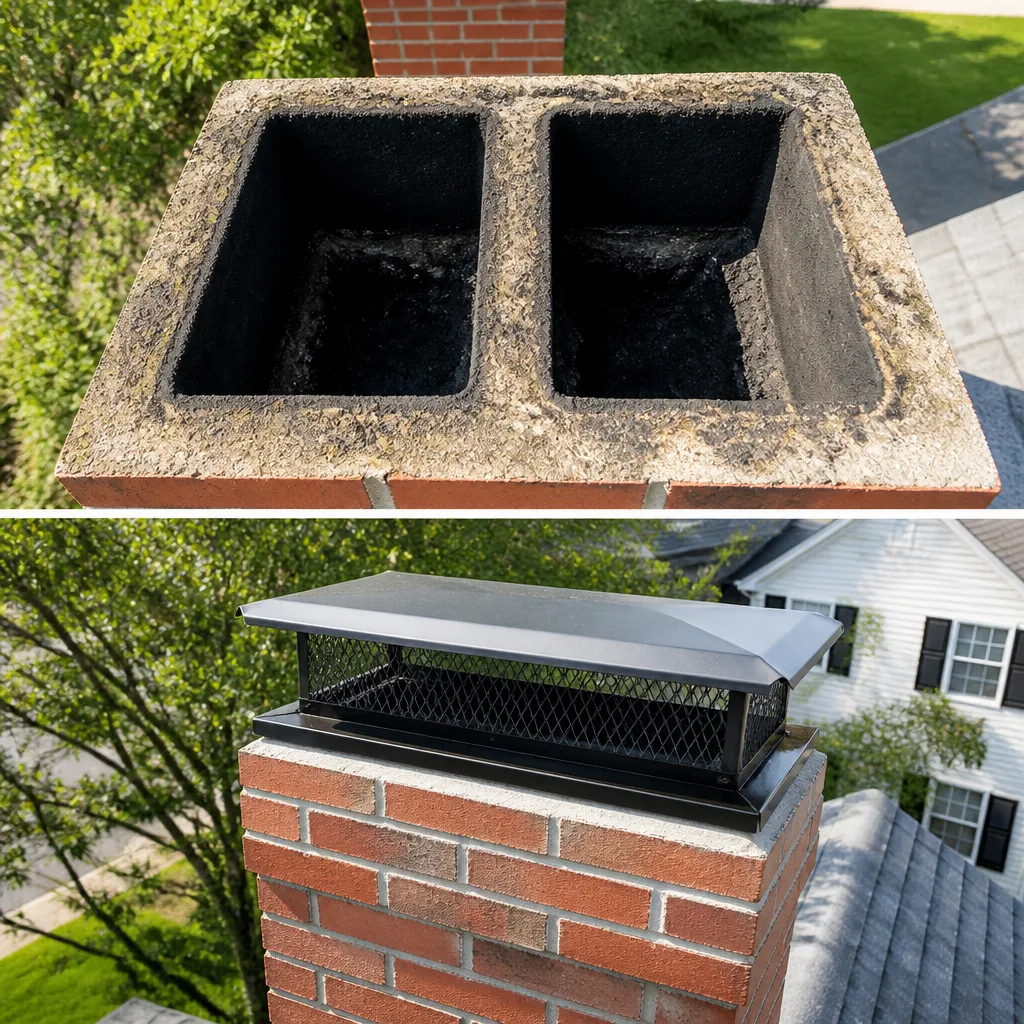
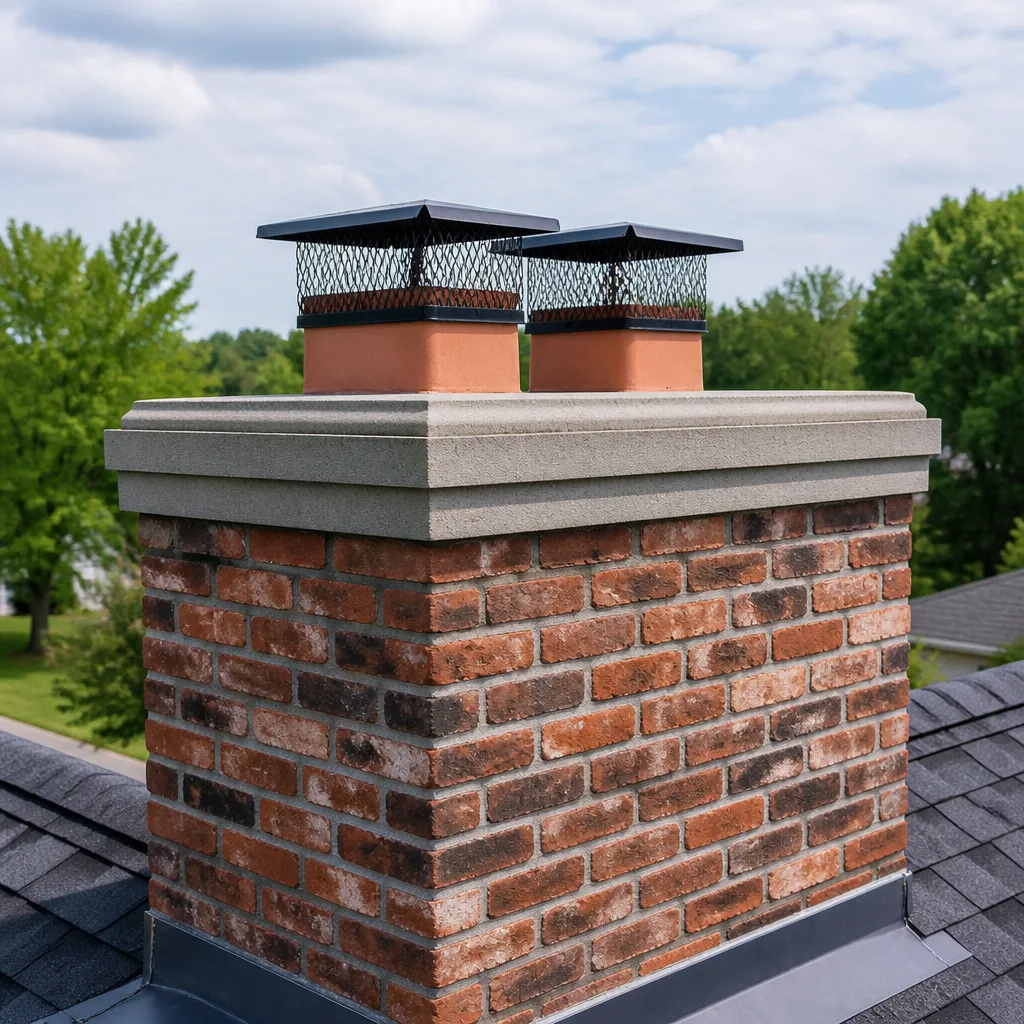
The cap is the most common entry point for water, birds, and weather into a chimney. It also sits at the top of the stack, exposed to everything the season throws at it. A cap that has shifted, rusted through, or lost its screen is an open door. Professionally specified caps from brands like Gelco chimney repair is the repair you’re doing when a cap is failing, and getting it done in summer means you’re not dealing with water damage through the winter.
The crown
The crown is the concrete or mortar top surface that slopes away from the flue. A hairline crack in the crown seems like nothing until a winter of rain and freeze-thaw drives water into the masonry below it. Spotting a crack in July means replacing or re-sealing the crown while it’s dry. Spotting a crack in January means dealing with water already inside the brick.
Flashing gaps
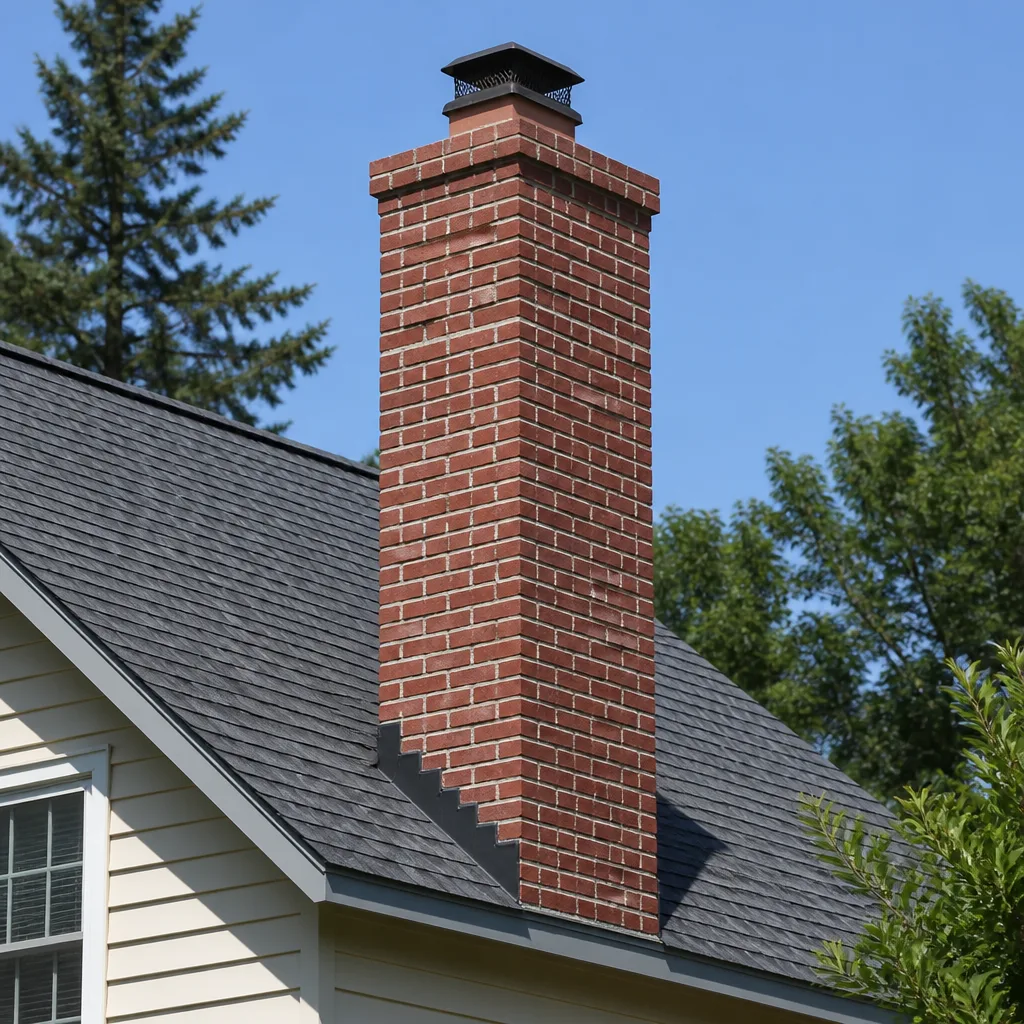
Flashing is the metal seal where the chimney meets the roof. Winter freeze-thaw cycles in Kent work at this junction, slowly opening gaps through thermal expansion. By summer, a gap that started as a slight shift is a clear opening for water. Checking flashing in summer and resealing any gaps lets you go into the wet season with a tight chimney-to-roof junction.
All three of these checks happen in a single inspection visit. Our Kent Chimney Sweep inspection covers the entire system, from the flue tile through the crown and cap, so you’re not getting a partial report that misses the entry points.
How Kent’s Wet Winters Affect Masonry and Mortar
Kent sits in a climate where the wet season runs long, the humidity stays high, and the freeze-thaw cycles come and go through the winter months. That combination is hard on masonry. The mortar joints between bricks are porous, and they take on moisture through the wet stretch. When the temperature drops below freezing, that moisture expands, and the joint micro-fractures. Warm up, thaw out, take on more moisture, freeze again. Repeat twenty or thirty times through a single winter.
By February, the consequences show up as two specific problems:
- Spalling. The face of a brick flakes off in sheets or chips. Spalling is a sign that water has been freezing inside the brick, and the brick is failing from the inside out.
- Crumbling mortar joints. The joints recede, leaving gaps and a rough surface. In serious cases you can scrape away mortar with a fingertip.
Both of these are easier and cheaper to fix in spring than in the following winter. A mortar joint that gets repointed in April is a joint that survives next winter intact. A mortar joint left alone for another year is a joint that erodes further and lets water into the interior of the chimney structure, which is where you start talking about real masonry repairs.
Our technicians have up to 15 years of experience, and the pattern is consistent: chimneys that get inspected every spring show fewer spalling bricks and less mortar erosion than chimneys that get looked at once every few years. There’s nothing magic about the schedule. What happens is that small cracks are caught before a winter drives water into them. If you’re going to pick one seasonal commitment, make it the pre-winter inspection.
The Fall Pre-Season Checklist
Before you light the first fire of the season, run through this checklist. It takes less than 30 minutes and can catch the exact conditions that lead to chimney fires and carbon monoxide problems.
- Look up the flue. Shine a strong flashlight up the chimney from inside the firebox. You should see clean flue tile. If you see heavy soot buildup, dark glazed creosote, or any visible animal nest, the chimney needs a sweep before you burn.
- Check the damper. Open and close it. It should move freely and seat flat. A damper that sticks open lets heat escape all winter; one that sticks closed traps smoke in the house.
- Look for water in the firebox. Visible water or a damp, musty smell in the firebox is a sign the crown or flashing is failing. Get this checked before you burn.
- Inspect the firebox brick and mortar. Look for cracked bricks, missing mortar, or rust-colored staining. Rust staining usually means water.
- Verify the cap and spark screen. Look at the top of the chimney from the ground with binoculars if you can. You want to see a cap that sits flat, with a screen that has no holes or sagging sections.
- Test your carbon monoxide detector. Press the test button and confirm it works. Chimneys are a source of carbon monoxide risk when draft fails, and the detector is the last line of defense.
- Confirm your wood is seasoned. Wood that hisses when it burns is unseasoned, and unseasoned wood is the fastest way to build up creosote. Seasoned firewood should be split, stacked, and dried for at least a full year.
If any of these checks shows a problem, that’s the moment to book a pro before you light a fire. A small check done in October is a lot easier than a repair done in January. If you’re going through this list and want a professional to confirm the results, book a chimney sweep or a full inspection before the first burn.
When Two Sweeps a Year Makes Sense
Most homes need one sweep per year. Homes that burn more than three cords of wood per season usually benefit from two. The reasoning comes down to how creosote accumulates.
A chimney sweep is not just a cleaning. It’s a resettling of the ongoing deposit cycle. When you sweep, you’re removing what’s been deposited since the last sweep. If you burn three or four cords over winter and only sweep once a year, the deposit that accumulates by April is the entire season’s worth. A second sweep in late fall, right before the heavy burning starts again, catches the shoulder-season buildup from early fall fires and gives the chimney a fresh baseline for winter.
Three specific situations call for a two-sweep schedule:
- Heavy-use fireplaces. More than three cords per season, or daily fires through the winter, means faster accumulation.
- Older wood stoves or open fireplaces. Less efficient combustion systems build creosote faster than modern stoves.
- Any home that’s experienced a chimney fire. After a chimney fire, follow-up sweeping, inspection, and probably liner assessment are all part of the recovery.
For the two-sweep crowd, the calendar is spring sweep plus fall sweep. Spring catches the deposited creosote from the winter; fall catches the shoulder-season layer and gives an inspection point right before the first long burn.
What You Can Check Yourself vs. What Needs a Pro
There’s a lot you can check yourself without climbing on the roof or opening the flue. There’s also a list of things that genuinely need a trained professional. Knowing the difference keeps you safe and keeps you out of the DIY YouTube spiral.
What you can check
- The damper motion, from inside the firebox
- Visible brick and mortar in the firebox and above the damper
- Signs of water (dampness, mustiness, rust staining)
- The look of the cap from the ground, with binoculars
- The wood you’re burning: split, seasoned, no hissing
- Your carbon monoxide detector
What needs a professional
- Any inspection of the flue tile, from the firebox up through the chimney top
- The crown, flashing, and cap from roof level
- Creosote removal, particularly glazed stage 3 deposit
- Liner assessment and installation
- Mortar joint repointing and any masonry repair
- Fireplace repair, damper replacement, or firebox rebuilds
A word on safety. If you’re tempted to climb on the roof to inspect the crown and cap yourself, weigh the risk. Roofs are steep, wet, and unforgiving, and a fall from a one-story roof can be serious. Chimney work, from sweep to repair to cap installation, is a trained-professional job for good reason. We’d rather you check what you can safely reach from the ground and leave the rest to a pro.
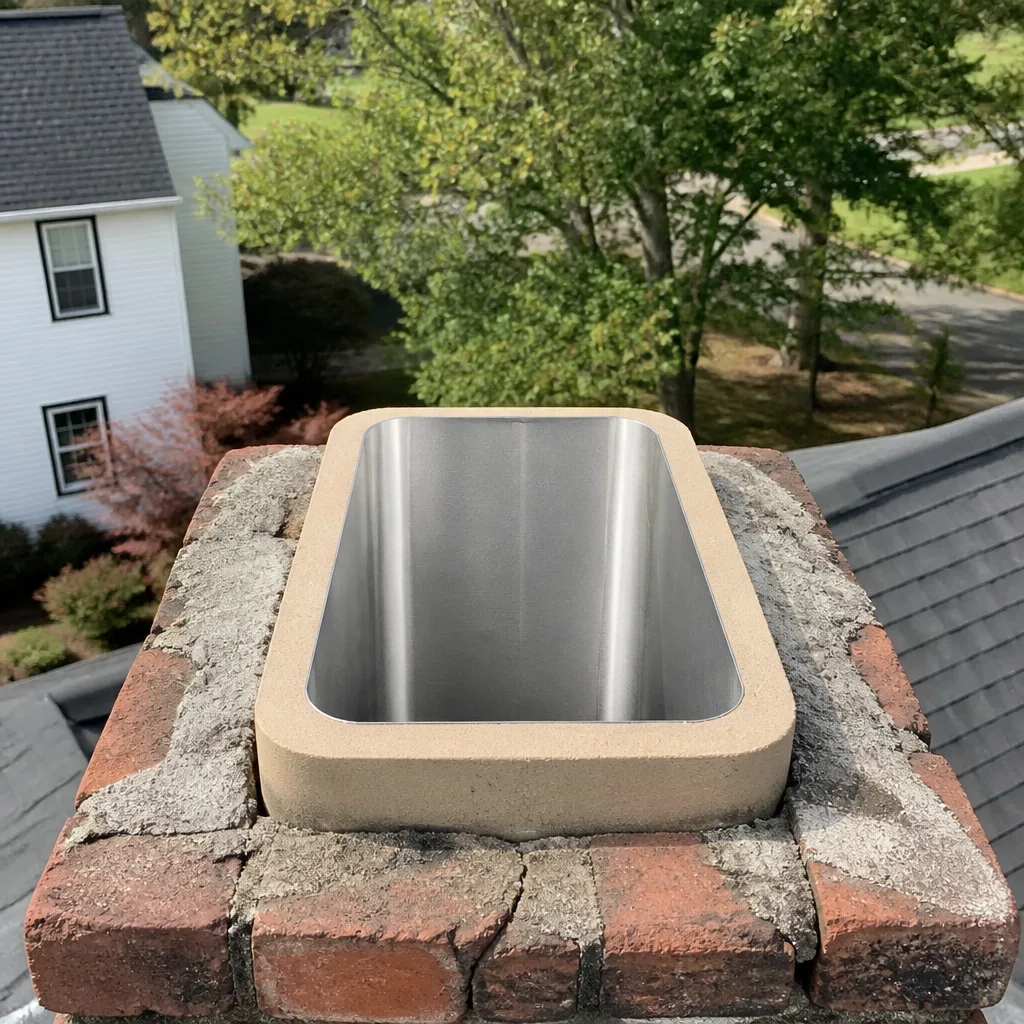
When you book a sweep and inspection, ask what you’ll get back. Our chimney repair approach is to give you a full picture, in plain language, of what we found. That includes the flue, the cap, the crown, the flashing, and the firebox. If we spot something, we show you what we saw. Liner work often uses DuraFlex flexible liner systems, which fit the irregular flues in many of Kent’s older homes where rigid liners won’t work. Flue resurfacing uses HeatShield, which often lets us extend the life of an existing liner instead of replacing it. Both are professional-grade solutions, and we’ll recommend whichever one actually fits what we’re seeing, not the one that pays more.
Your Kent Chimney Calendar at a Glance
Here’s the seasonal version, condensed. Use it as the reference for the year.
Spring (March – May): Sweep and baseline inspection
- Annual chimney sweep after the burning season ends
- Full inspection of the flue, cap, crown, flashing, and firebox
- Repair planning for anything structural the sweep finds
- Repointing and masonry repair work, while weather allows
Summer (June – August): Structural work
- Crown replacement or re-sealing if the inspection flagged it
- Cap replacement using a Gelco or Famco cap, installed to spec
- Liner installation or HeatShield resurfacing, in dry weather
- Flashing gaps re-sealed at the chimney-to-roof junction
Fall (September – November): Pre-season check
- Second sweep for homes burning more than three cords
- Firebox and damper inspection before the first fire
- Carbon monoxide detector test
- Confirmation that the cap and crown are still in good shape
Winter (December – February): Use and observe
- Burn seasoned wood, keep the damper open, and watch for draft problems
- Note any smoke rollback, strange smells, or soot streaks near the fireplace
- Call us if you see any of those signs, and we’ll schedule the diagnostic
Common Mistakes to Avoid
- Waiting until October to book a sweep. That’s the busiest six weeks of the year for every chimney professional in Kent. Fall inspection is fine as a supplement, but the main sweep belongs in spring.
- Assuming a swept chimney is done for the year. A swept chimney is a starting point. The cap, crown, and flashing are the components most likely to fail next, and they don’t show up on a sweep alone.
- Burning wet wood to save money. Unseasoned wood is the fastest path to stage 3 creosote. A well-seasoned woodpile is cheaper than a liner replacement.
- Skipping the summer crawl into the attic. Water staining on the chimney chase in the attic is one of the earliest signs that the crown or flashing has failed. It’s easy to check while you’re up there for other things.
- Ignoring a hairline crown crack because it “looks minor.” A small crown crack is one winter of water and freeze-thaw away from being a replaced crown. Catching it early is the whole game.
- Trying to sweep a glazed flue yourself. Stage 3 creosote is not a brush-and-go job. The wrong tool can damage flue tile, and improper handling of chemically treated creosote is a genuine hazard.
- Treating “no visible smoke” as proof the chimney is fine. Perfectly clean-burning fires can still leave corrosive deposits on the flue tile. The inspection is what tells you whether the tile is holding up.
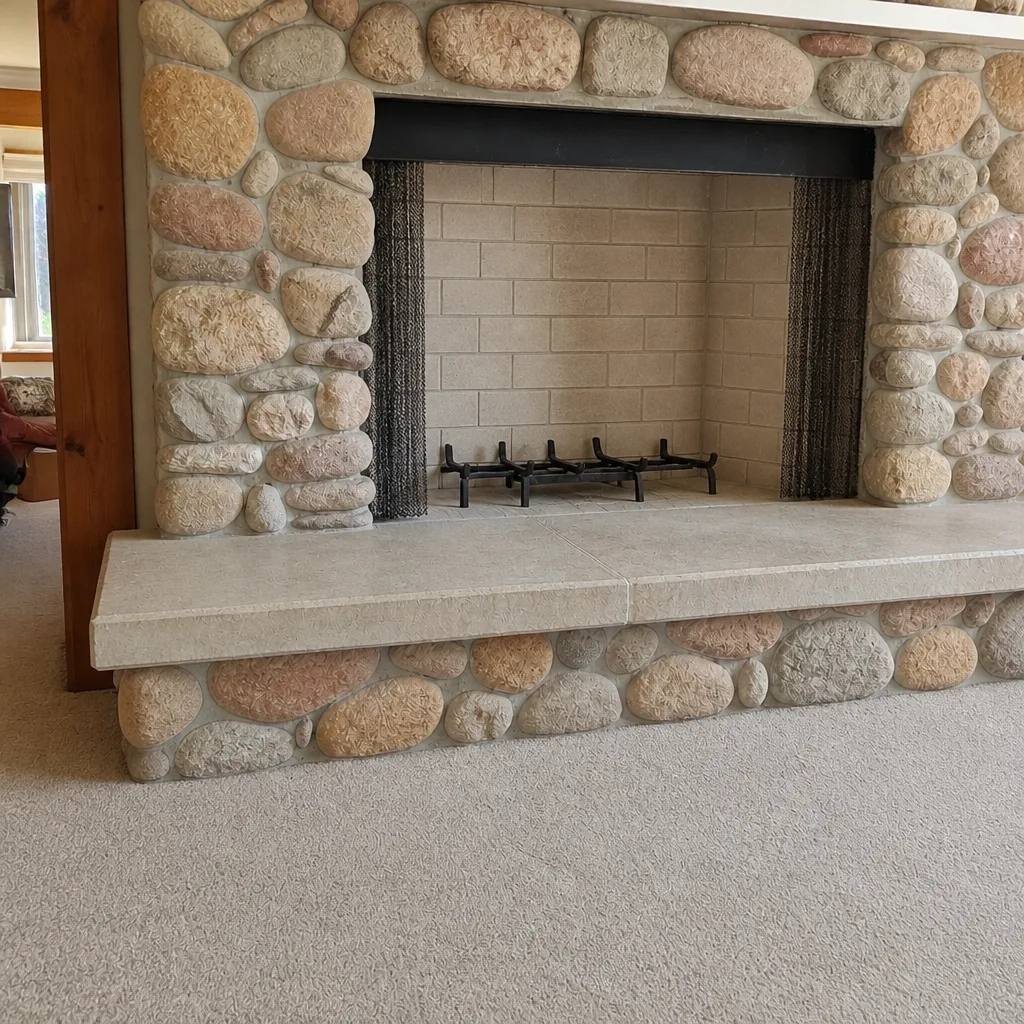
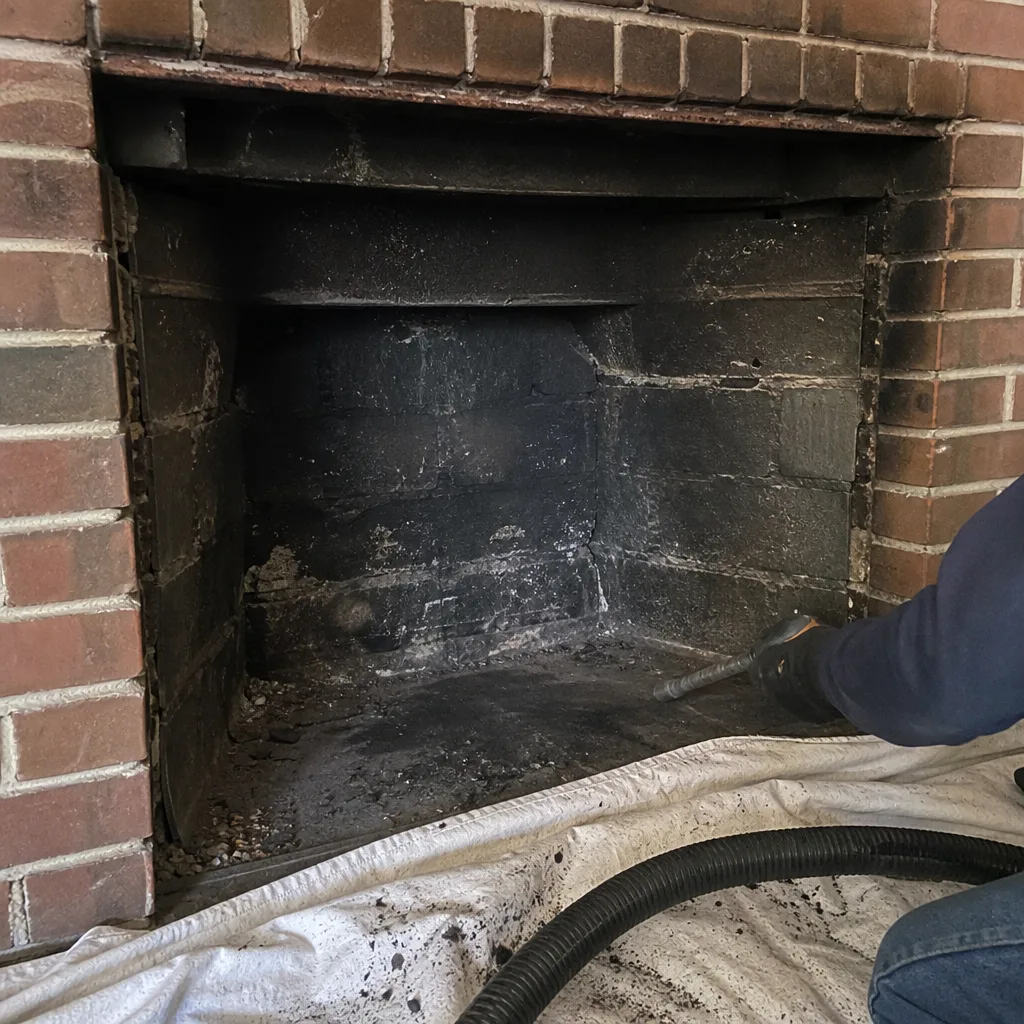
See the difference
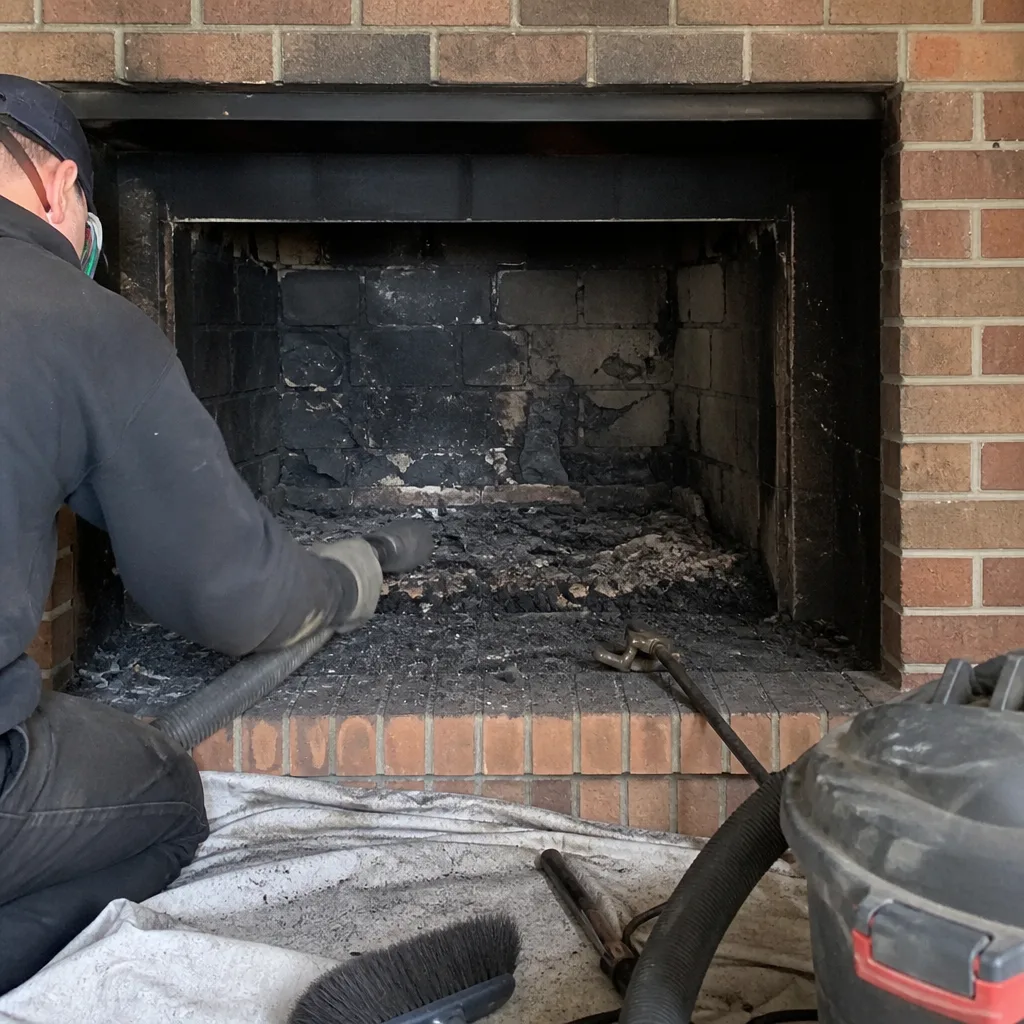 Before
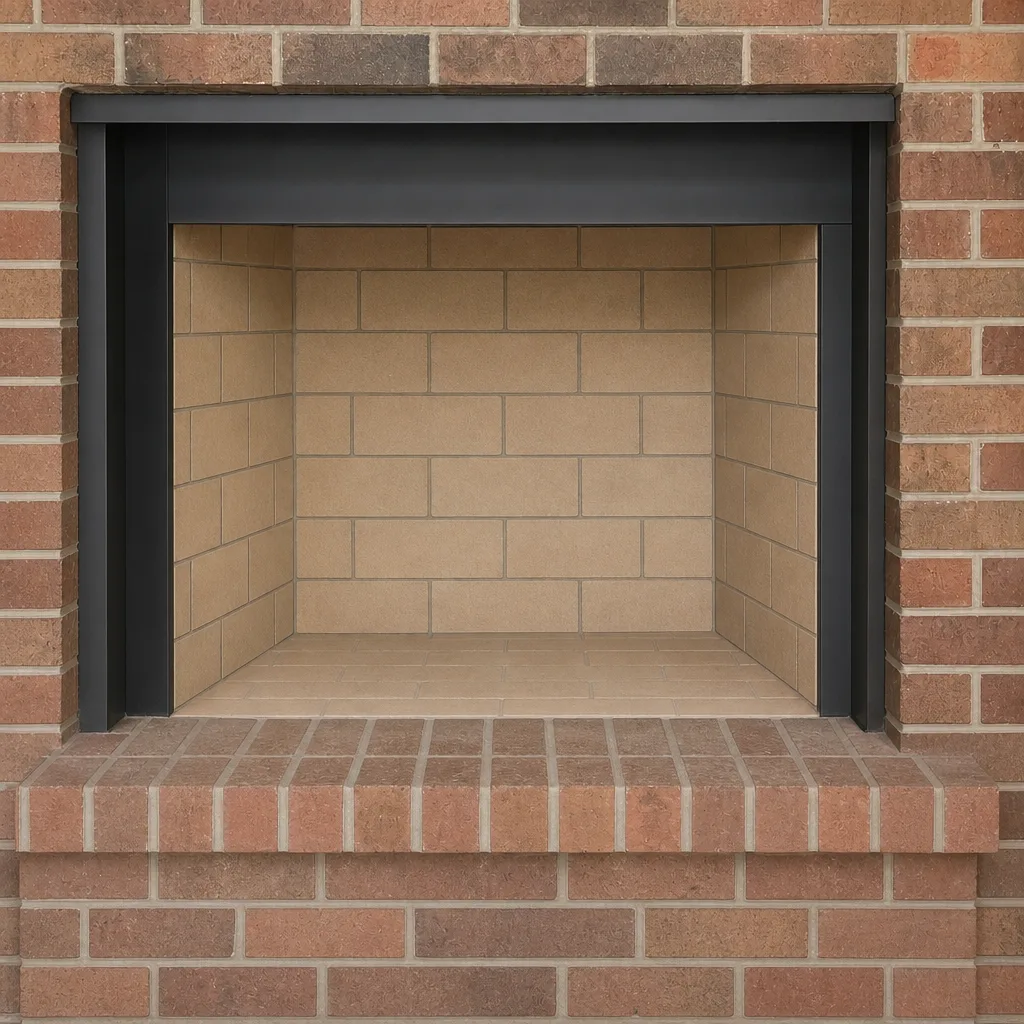 After
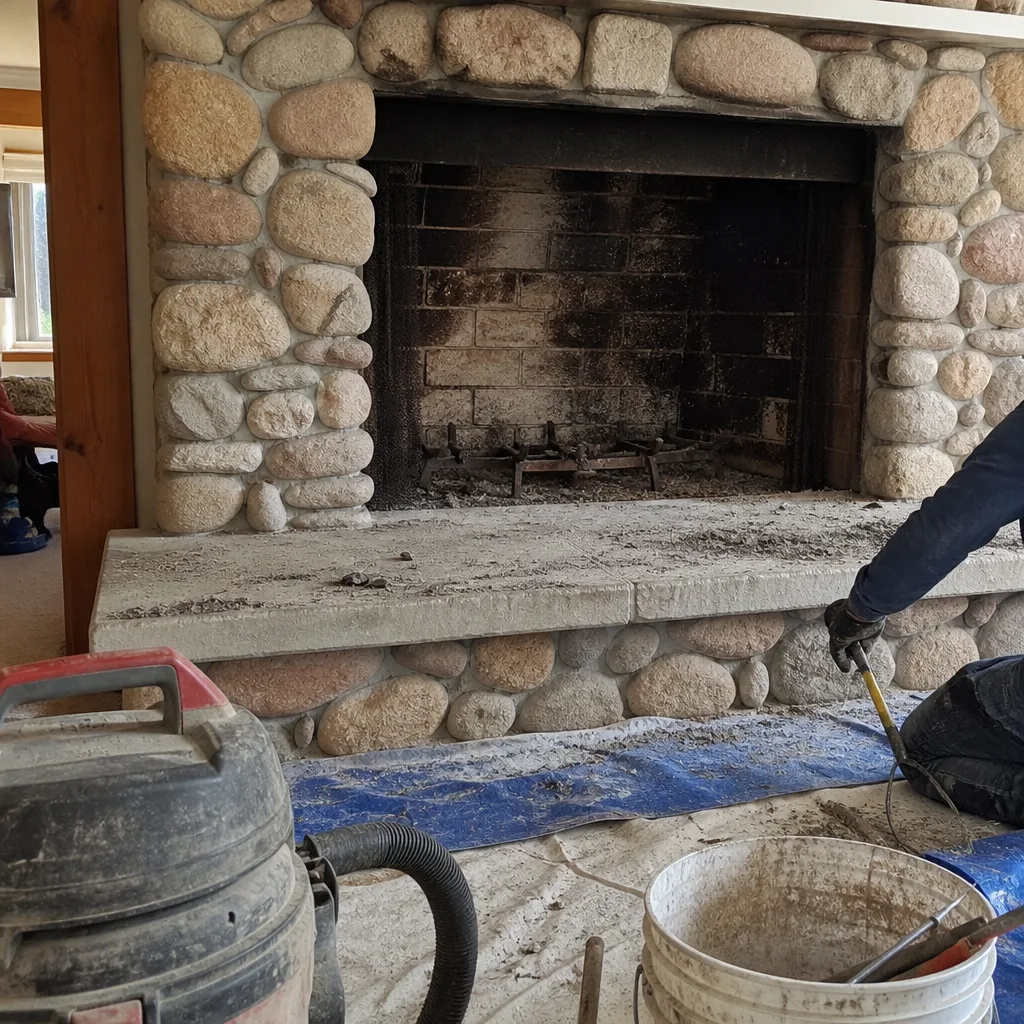 Before
 After
 Before
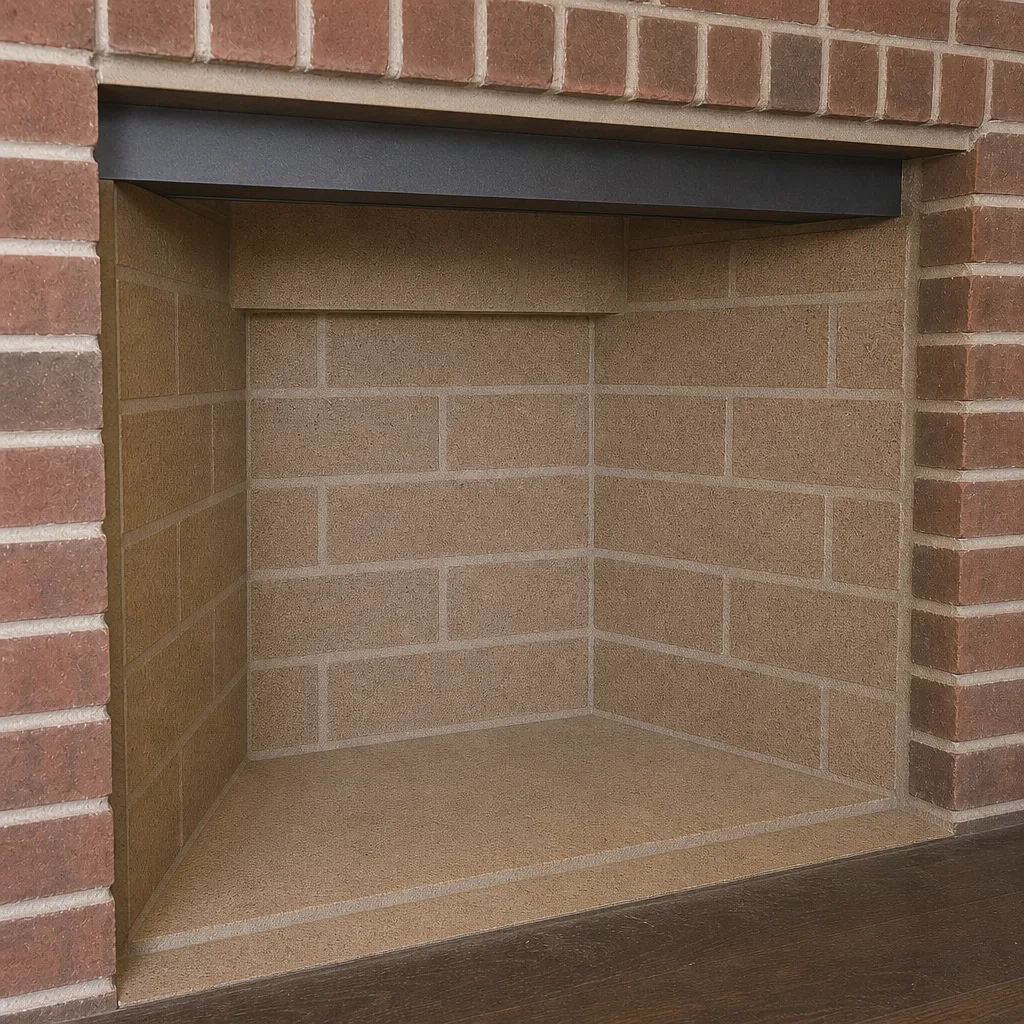 After
When to Call a Professional
Call a professional for the annual sweep and inspection, for any structural work on the chimney, and for anything you can’t confirm from the ground. Specifically: when you’re not sure of the flue condition, when the crown or cap looks wrong from below, when you see water or rust staining in the firebox, when your damper sticks or doesn’t seat, when you notice smoke backing into the room, and when it’s been more than a year since the last sweep. Kent Chimney Sweep offers free estimates in Kent. Call (855) 658-3498. We answer 24/7. Fast dispatch from 7am to 7pm, Sunday through Friday, closed Saturday.
We also handle fireplace repair, from damper replacement to firebox rebuilds, so a failing fireplace doesn’t need to be sent to a separate contractor. The whole system gets checked and addressed under one scope.
Frequently Asked Questions
Once a year for most homes, ideally in spring. If you burn more than three cords of wood per season, twice a year is a better fit. The spring sweep catches the winter’s creosote before summer heat hardens it, and the fall sweep gives you a fresh baseline before the heavy burning starts. Call (855) 658-3498 to book a sweep or inspection and confirm the right schedule for your home.
Not bad, but less effective. Fall sweeping removes what’s on the flue, but that creosote has sat through a summer of heat and is harder to fully remove. Spring sweeping catches deposit before it sets, and it gives you the whole summer to act on whatever the inspection finds. If you can only do one sweep a year, spring is the stronger choice.
It lets water into the masonry all winter. The crown is the sloped concrete surface at the top of the chimney, designed to shed water away from the flue. A crack interrupts that shedding, and water runs into the masonry below, freezes, expands, and widens the crack further. Catching a crown crack in summer and repairing it means you go into winter with a dry chimney.
You can clean light soot buildup yourself with the right brush and patience. You shouldn’t attempt removal of glazed stage 3 creosote or any inspection of the flue tile above the firebox, because that requires a camera and the trained eye to read what the camera shows. For most homeowners in Kent, a professional spring sweep is worth the cost because it comes with a structural inspection that DIY sweeping can’t provide. Call (855) 658-3498 for a free estimate.
Water or rust staining in the firebox, a white chalky residue on exterior brick, crumbling mortar joints, spalling bricks, a visibly damaged crown or cap, and smoke backing into the room are all signs the issue goes beyond the flue deposit. Any of these warrants a full inspection. We check the whole system, so the answer to “sweep or repair?” is based on what we actually see.
Yes, in Kent’s climate especially. A proper cap blocks rain, snow, and animals from entering the flue from above, and it does this without restricting draft. A cap from a professional line like Gelco, Famco, or Copperfield, installed to spec, is a small investment that removes one of the most common causes of water damage and animal nests in chimneys.
The Bottom Line
Chimney care in Kent runs on a spring-to-summer cycle, not a fall-to-winter one. Sweep in spring to catch creosote while it’s still workable, use summer to inspect and repair the crown, cap, and flashing, and run the fall checklist before the first fire. Heavy-use homes burning more than three cords benefit from two sweeps per year. The whole point of the seasonal rhythm is that the small work done in the dry months is what prevents the expensive work in the cold ones. A chimney that’s been checked, swept, and protected will outlast one that gets cleaned once in October and never looked at again.
If your chimney needs a sweep, an inspection, or a repair this season, call Kent Chimney Sweep at (855) 658-3498. Free estimates, and we’ll tell you what we found before we tell you what it costs.
Written by the team at Kent Chimney Sweep.