
Last updated November 25, 2026
 Sweep & inspection
 Caps & crowns
 Flue relining
 Masonry repair
 Gas fireplace service
Level 1 sweep and inspection to the NFPA 211 annual standard - flue, crown, cap, and flashing checked and photographed
Chimney sweep logs do not sweep chimneys. They loosen some creosote - which then falls where a brush and vacuum still have to collect it.
Chimney Cleaning Cost Breakdown: The Kent Homeowner’s Reference for 2026
The $99 chimney sweep special that shows up in a mailer rarely covers what the chimney actually needs, and the gap between that advertised price and the final invoice is where most homeowner frustration begins. Kent sits in a damp corner of the Puget Sound lowlands, where mild, wet winters give a fireplace a long, slow season of constant use, and a chimney that runs that hard every year needs more than a quick brush down the flue. This guide breaks a chimney cleaning bill into its real line items with actual dollar ranges, explains how to read each one, and shows you what to expect from a quote in the Kent market this year. You’ll learn what a sweep really costs, what each inspection level covers, and where an add-on is worth paying for.
Quick Answer
A standard chimney sweep in Kent typically runs about $175 to $295 for a floor-level cleaning of an accessible flue, and a Level 1 inspection is often bundled into that price. A camera-guided Level 2 inspection usually adds $185 to $385 on its own, crown repair lands around $245 to $640, and a properly fitted professional cap runs roughly $145 to $350 installed. The written estimate you get after we see the flue is what sets your final price.
Styles & brands we work with
- Sweep & inspection
- Caps & crowns
- Flue relining
- Masonry repair
- Gas fireplace service
Table of Contents
- What Drives the Price of a Chimney Cleaning in Kent?
- The Real Line-Item Cost Ranges for 2026
- Why Chimney Type Changes the Price
- Inspection Levels: What Each One Actually Covers
- Necessary Add-Ons vs. Genuinely Optional Ones
- How to Calculate Cost Per Fire
- Why Quotes Vary Between Kent Contractors
- How to Read a Kent Chimney Quote in Four Steps
What Drives the Price of a Chimney Cleaning in Kent?
Four things move the number up or down: the chimney’s construction, how much creosote has built up, how accessible the roof and flue are, and whether the sweep does the job with a drop cloth and a shop vacuum or with a camera and professional tools. The biggest surprise for most homeowners is the creosote grade. A light, dusty coating sweeps out fast. A heavy, glazed glaze is denser, harder to remove, and takes longer on the clock, and that time is what you’re paying for. Kent’s damp climate also drives creosote and moisture issues: when a flue doesn’t draft cleanly, smoke cools and deposits more heavily against the liner walls.
Roof access matters too. A single-story ranch with a gentle pitch near the valley floor is a quick setup compared with a steep roof or a tall masonry stack that needs more staging. Labor is the largest part of any quote, and it’s the part honest contractors won’t hide. When you request a chimney sweep, we tell you what we found before we tell you what it costs, so the price reflects the actual work on the flue in front of us rather than a fixed rate assumed over the phone.
In our experience, the flue itself is only half the story. A sweep addresses soot and creosote, but the crown, the cap, the damper, and the firebox all play into whether that cleaning holds up. If any of those are compromised, we flag it before the approach changes.
The Real Line-Item Cost Ranges for 2026
These are typical, estimated ranges for the Kent market in 2026, not exact quotes. Your written estimate sets the final word. Use this table to benchmark whatever a contractor hands you and to spot a number that seems unusually low or unusually high.
| Service | Typical Range | What It Covers |
|---|---|---|
| Basic chimney sweep | $175 – $295 | Brush and vacuum clean of an accessible flue, soot and creosote removal, floor protection |
| Level 1 inspection | Usually bundled with the sweep | Visual check of accessible portions of the firebox, flue, and exterior |
| Level 2 inspection with camera | $185 – $385 | Video scan of the full flue, firebox, and joints, plus a written photo report |
| Level 3 inspection | $485 – $1,200+ | Investigative access to concealed areas when a hazard is suspected |
| Liner resurfacing (HeatShield) | $1,450 – $3,800 | Non-invasive repair of a compromised masonry or clay flue |
| Flexible liner installation (DuraFlex) | $2,400 – $6,200 | New stainless liner for irregular or badly damaged flues |
| Crown repair or rebuild | $245 – $640 | Sealing cracks or rebuilding a failed crown to keep water out of the masonry |
| Chimney cap installation | $145 – $350 | Professional-grade cap fitted to close the flue’s top opening |
| Fireplace repair | $185 – $850 | Damper, firebox, hearth, or smoke chamber repair |
Two ranges in that table are wide on purpose. Liner work depends on the length and shape of the flue and whether the existing liner can be resurfaced rather than replaced. A camera inspection tells us which path makes sense, and the chimney repair conversation starts from what the lens actually shows. Nothing gets recommended without evidence you can see for yourself.
Why Chimney Type Changes the Price
Three common chimney setups in Kent price differently, and the reasons are legitimate rather than arbitrary. A prefabricated fireplace has a factory-built metal flue that usually cleans quickly but needs specific brushes and inspection techniques. A masonry chimney carries a clay tile or brick flue, where the sweep has to watch for spalling tile and mortar joints during the cleaning, which takes longer. A wood stove flue tends to be smaller in diameter and accumulates creosote in a different pattern, so the brush work and the inspection both follow a different routine.
- Prefab fireplace: faster to clean, but manufacturers specify which products and brushes are compatible, so the technician checks the rating before starting.
- Masonry chimney: heavier labor and more inspection attention, because a cracked tile or a failed crown has to be caught during the sweep rather than after.
- Wood stove flue: the smaller pipe and the creosote pattern mean more careful, sometimes slower, brush work, and the stove itself often needs a separate inspection pass.
An older masonry stack in Kent with an irregular flue, the kind found in some of the city’s mid-century homes, may not accept a rigid liner. That’s where a flexible system like DuraFlex earns its place, because it can follow the shape of a flue that a straight pipe cannot. We work on the whole system, not just the flue, so the construction type is the first thing we identify and the last thing we leave unexamined.
Inspection Levels: What Each One Actually Covers
The three inspection levels come from the national standard for chimney inspection, and they build on each other. Understanding the difference is the single best defense against a quote that pads the bill with services you didn’t ask for. Here’s what each level means in plain terms.
- Level 1 inspection. A visual check of everything you can see without tools or special access: the firebox, the damper, the visible portion of the flue, and the exterior of the chimney from the ground or a ladder. This is normally part of a routine annual sweep. It’s the right level for a chimney with no known problems.
- Level 2 inspection. Adds a video camera scan of the entire flue, the firebox, and the joints, and it’s the level a professional recommends after a chimney fire, a change of fuel or appliance, a new home purchase, or any event that could have damaged the liner. It produces a written photo report you keep.
- Level 3 inspection. The investigative level, used when a serious hazard is suspected and areas of the chimney have to be opened up or accessed behind walls to find it. This is rare and reserved for a specific, suspected problem.
We include a camera scan and a photo report in the inspection so you can see the liner for yourself, not just take our word for a crack. If the inspection turns up a damaged flue, we can move straight into a resurfacing or liner plan under the same roof, which means you’re not handed off to a second contractor who starts the conversation over. When the firebox or damper itself needs attention, that work falls under fireplace repair, and it’s handled alongside the sweep rather than weeks later.
Necessary Add-Ons vs. Genuinely Optional Ones
The add-on list is where defensive homeowners get worn down, and where a bit of knowledge pays off. Some add-ons are nearly always necessary for a chimney to perform safely through a Kent winter. Others are genuinely optional, and a good contractor will tell you which is which without pressure.
Almost always necessary when the condition is present:
- A camera inspection on any chimney with no inspection history. You can’t fix what nobody has seen.
- Crown sealing or repair when cracks are visible. A cracked crown lets water into the masonry all winter, and repeated freeze-thaw cycles break brick and mortar down further.
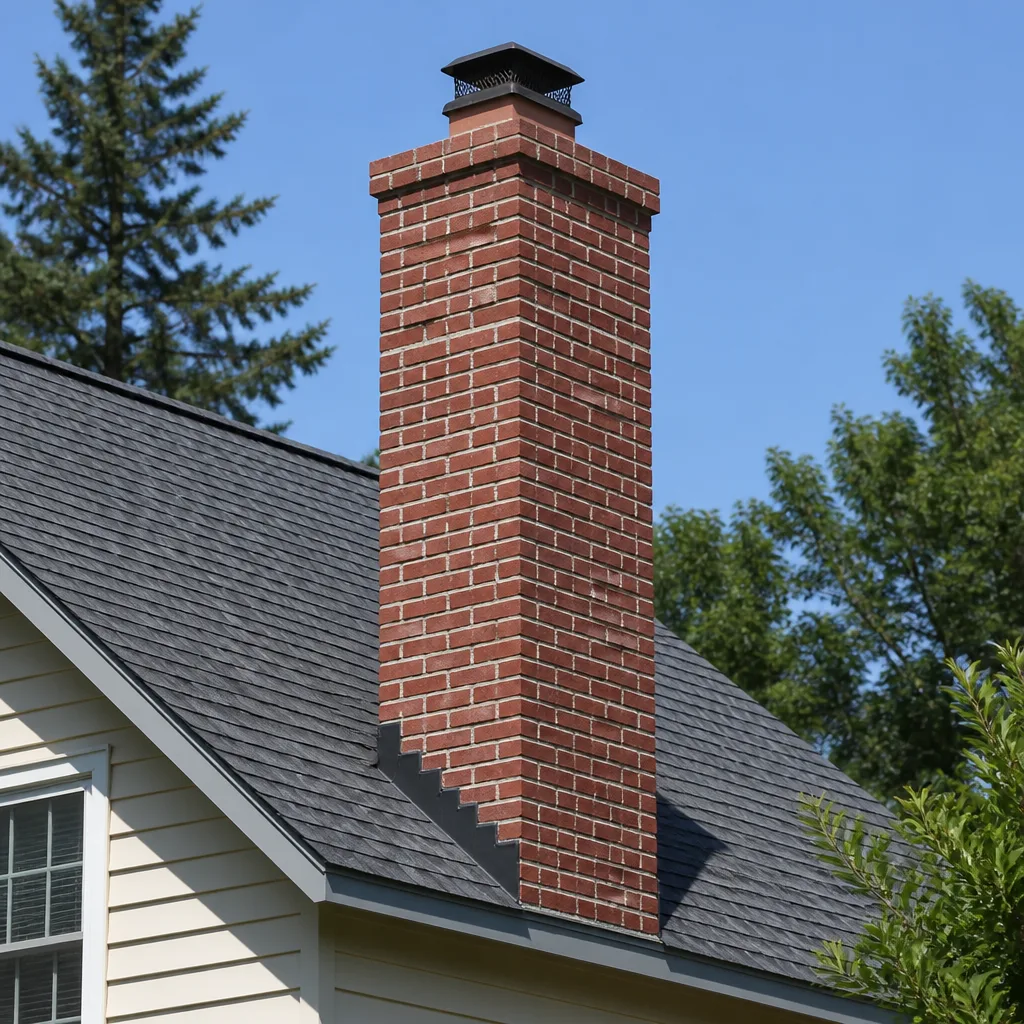
- A cap when the flue is open at the top. An open flue takes in rain, snowmelt, birds, and debris. A proper cap closes the most common entry point for water damage.
Genuinely optional, unless the inspection shows a specific problem:
- Full liner replacement when a resurfacing would solve the problem. HeatShield liner resurfacing is a non-invasive alternative to a full relining when the existing flue is still structurally sound.
- Cosmetic masonry work. Repointing that isn’t structural can often wait a season.
- Add-on fireplace accessories. Useful, but never urgent on the same visit as the sweep.
The tests to apply: does this add-on address something the camera or the visual inspection actually found, and would waiting cause it to get worse? If the answer to both is yes, it’s necessary now. If the answer to either is no, say so out loud and ask the contractor why they believe otherwise.
How to Calculate Cost Per Fire
Here’s a framework for deciding whether an annual sweep is worth it, and it’s simple arithmetic rather than a scare tactic. Take your total annual chimney spend, divide it by the number of fires you typically burn in a season, and compare that per-fire cost against the cost of the single event you’re avoiding. If you burn forty fires a winter and spend around $250 on a sweep with a bundled Level 1 inspection, that’s a handful of dollars per fire. A well-maintained flue that gets swept annually doesn’t eliminate every risk, but it does keep the creosote layer from building into the dense, glazed condition that burns.
The comparison isn’t really sweep versus no sweep. It’s a known, budgeted annual number versus an unpredictable repair. A chimney fire can crack clay tiles, warp a prefab flue, and leave the liner in a condition that needs resurfacing or replacement before the fireplace is safe to use again. Carbon monoxide is a separate concern: a blocked or damaged flue can send exhaust into the home instead of up and out, and that risk doesn’t announce itself with smoke or smell. The goal here isn’t to frighten anyone into an expensive service. It’s to show that routine annual care is usually the cheapest way to keep a fireplace you use heavily, as many Kent homes do through our long damp season, from turning into a repair project.
Why Quotes Vary Between Kent Contractors
Two contractors can quote the same chimney differently and both be telling the truth about their own costs. Labor overhead, equipment quality, and insurance coverage are the three variables that most affect what a homeowner actually gets and what their risk exposure looks like.
- Labor overhead. An established shop with trained technicians and proper scheduling costs more per hour than a one-person operation, but it’s also less likely to discover a problem that it can’t handle and hand you off mid-job.
- Equipment quality. A shop vacuum and a stiff brush are one price point. A camera, professional-grade brushes, and a resurfacing system like HeatShield are another. The equipment determines how much of the flue is actually inspected and how well a repair holds up.
- Insurance coverage. A contractor working on a home without proper liability coverage leaves the homeowner exposed if something goes wrong. The local pro we connect you with is licensed and insured as their state requires, and that coverage is part of what you’re paying for in a professional quote.
Materials matter too. A cap bought at a hardware store and one from a professional line like Gelco or Olympia Chimney are not the same product, and the difference shows in a few seasons. We install professional-grade components from brands chimney engineers trust, because a cap or a liner that fails early costs more in the long run than the better part did up front.
How to Read a Kent Chimney Quote in Four Steps
A quote should read like a scope of work, not a headline number. Use this four-step method to compare two estimates fairly and to spot the gaps before you sign.
- Find the sweep line. It should state the cleaning of a specific flue, whether floor protection is included, and whether the debris and soot are hauled away.
- Find the inspection level. The quote should say Level 1, 2, or 3 and state whether a camera scan and a written photo report are included. If it’s vague, ask.
- Find the condition-based items. Crown, cap, liner, and firebox work should be listed separately with clear pricing, and should be presented as “recommended because we saw this” rather than a single lump sum.
- Find the written total and the guarantee. Ask for the total before any work starts, and ask about a satisfaction guarantee. A flat price agreed before booking protects everyone.
We include a flat-price estimate and a satisfaction guarantee on the work, and we show the evidence behind every recommendation. If a contractor won’t explain a line item, that’s your answer. If a chimney repair (note: link already used above) – skip this mention and instead note below.
One more thing to check: whether the contractor can complete crown, cap, and liner work in-house or whether each is a separate subcontract. Full-service coverage means the sweep, the inspection, and the structural protect-all happen in one scope, with one diagnosis and one set of materials. That continuity matters most in Kent, where a wet season means water management is as important as flue cleaning.
Common Mistakes to Avoid
- Choosing a sweep on the advertised price alone. A $99 special is a marketing number, and the gap between it and the final invoice is where most of the confusion lives. Ask what the price includes before you book.
- Skipping the camera inspection. A visual sweep without a camera can miss a cracked tile or a failed joint higher in the flue. Not every chimney needs a Level 2 every year, but every chimney should have had one at least once.
- Treating the sweep as the finish line. A swept chimney is a starting point, not a finish line. The crown and the cap are what keep the masonry dry and the flue clear between visits.
- Ignoring a missing cap. An open flue top is the most common entry point for rain and animals, and a proper cap is one of the cheapest parts of the bill.
- Accepting work without a written scope. If the quote is a single number with no line items, you can’t tell a necessary repair from an upsell. Ask for the breakdown.
- Assuming any contractor can handle an irregular flue. Older masonry stacks sometimes need a flexible liner system, and not every contractor carries one. Ask before booking.
- Waiting until the first cold snap. Kent’s damp falls mean the ideal time to inspect is before the burning season, while the flue is dry and the schedule is open. That’s a seasonal reason to plan ahead, not an hourly one.
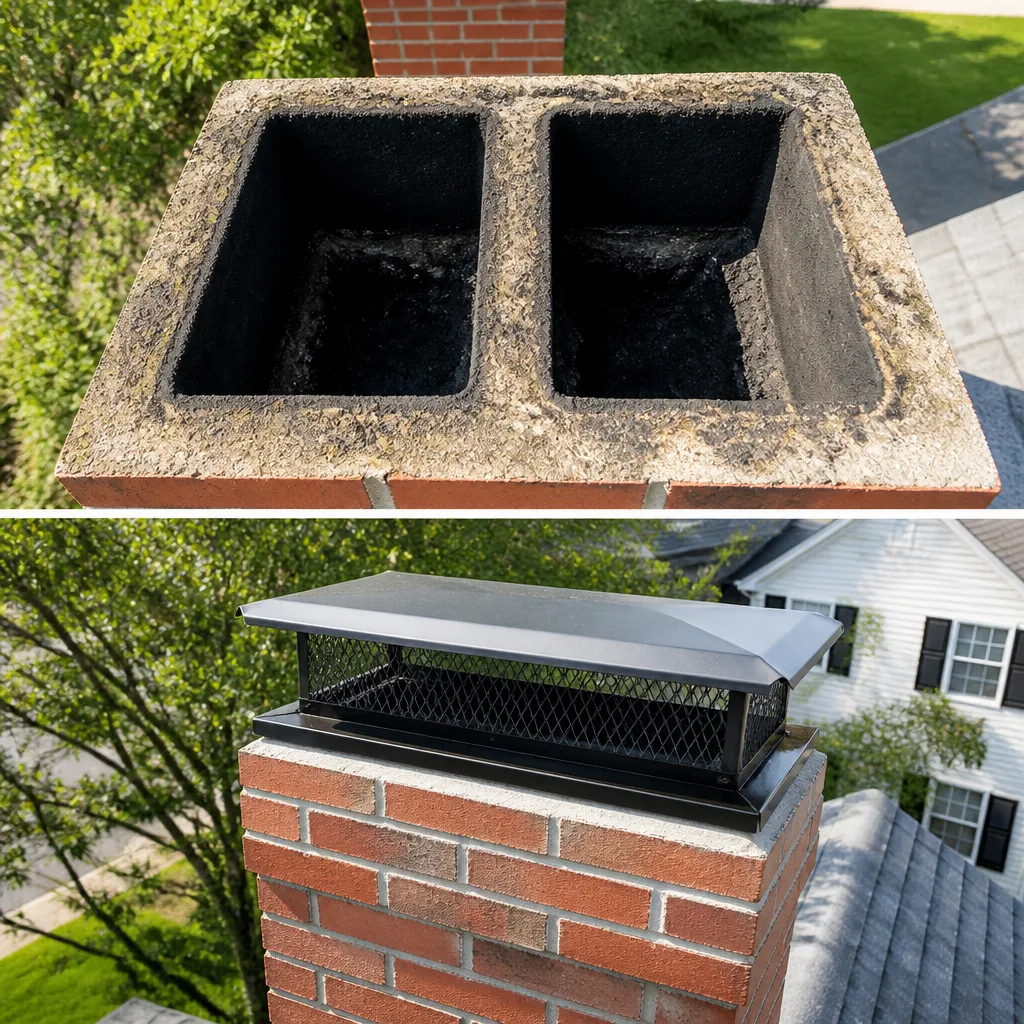
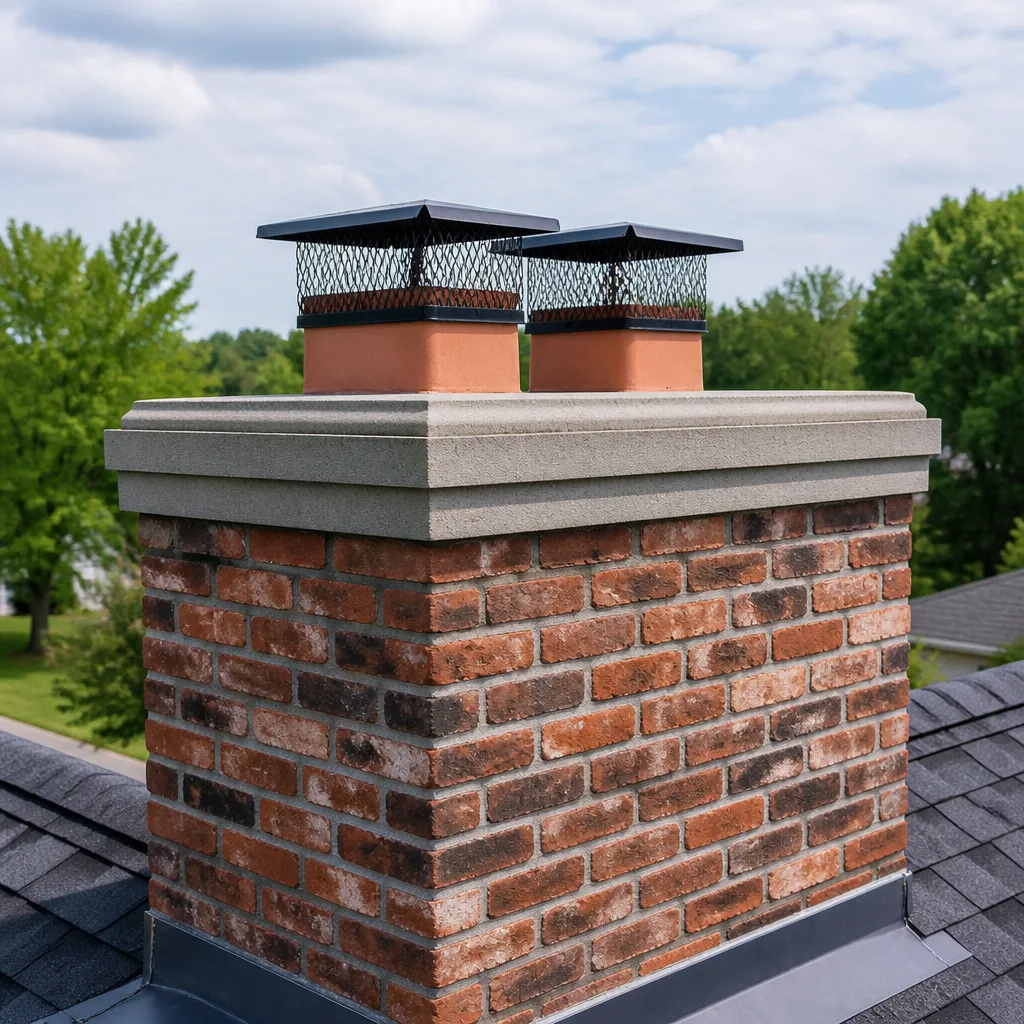
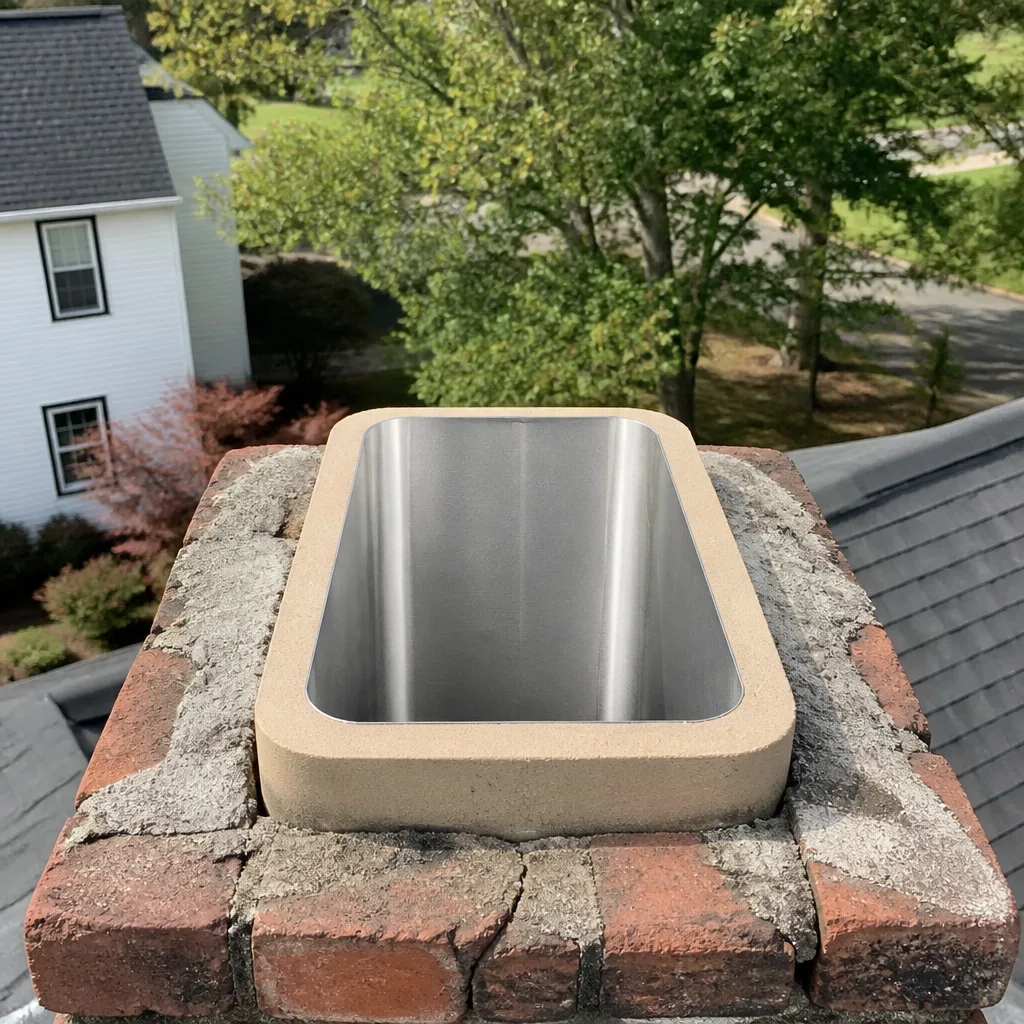
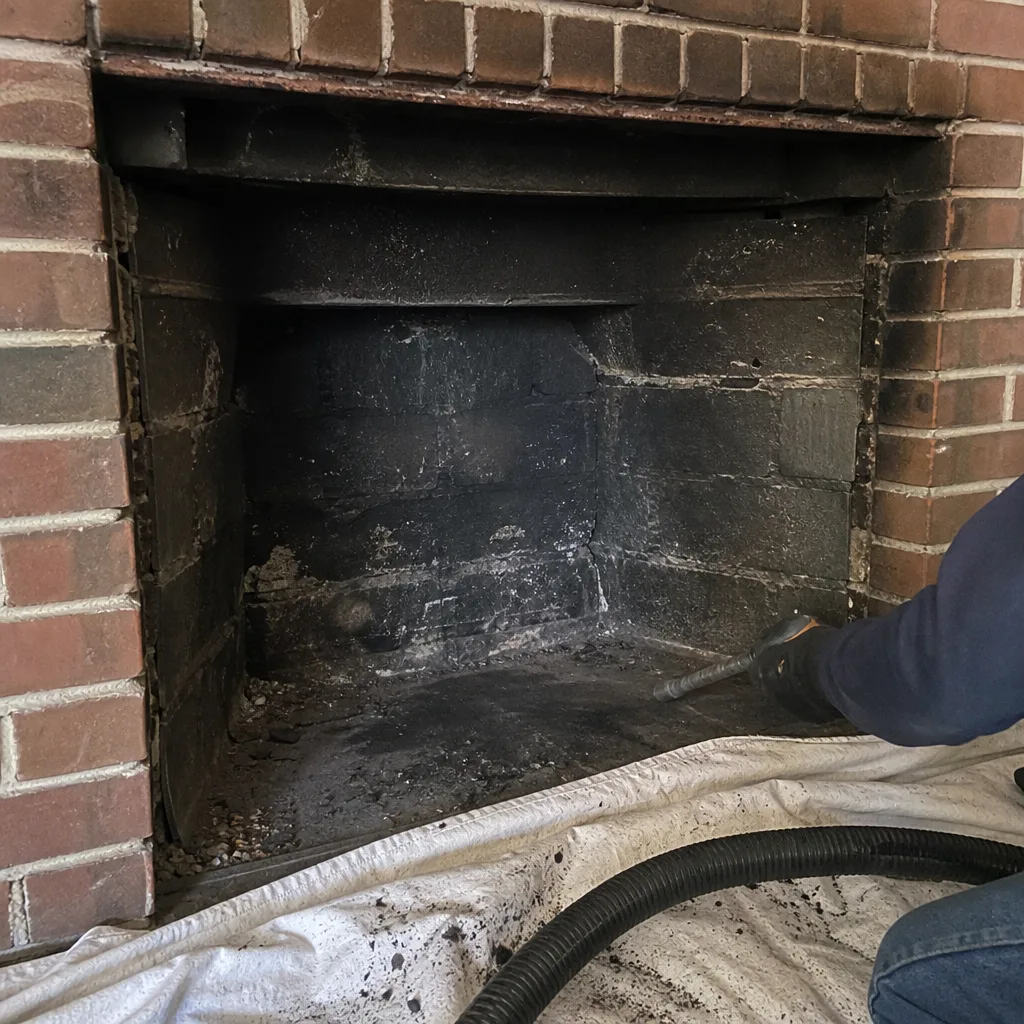
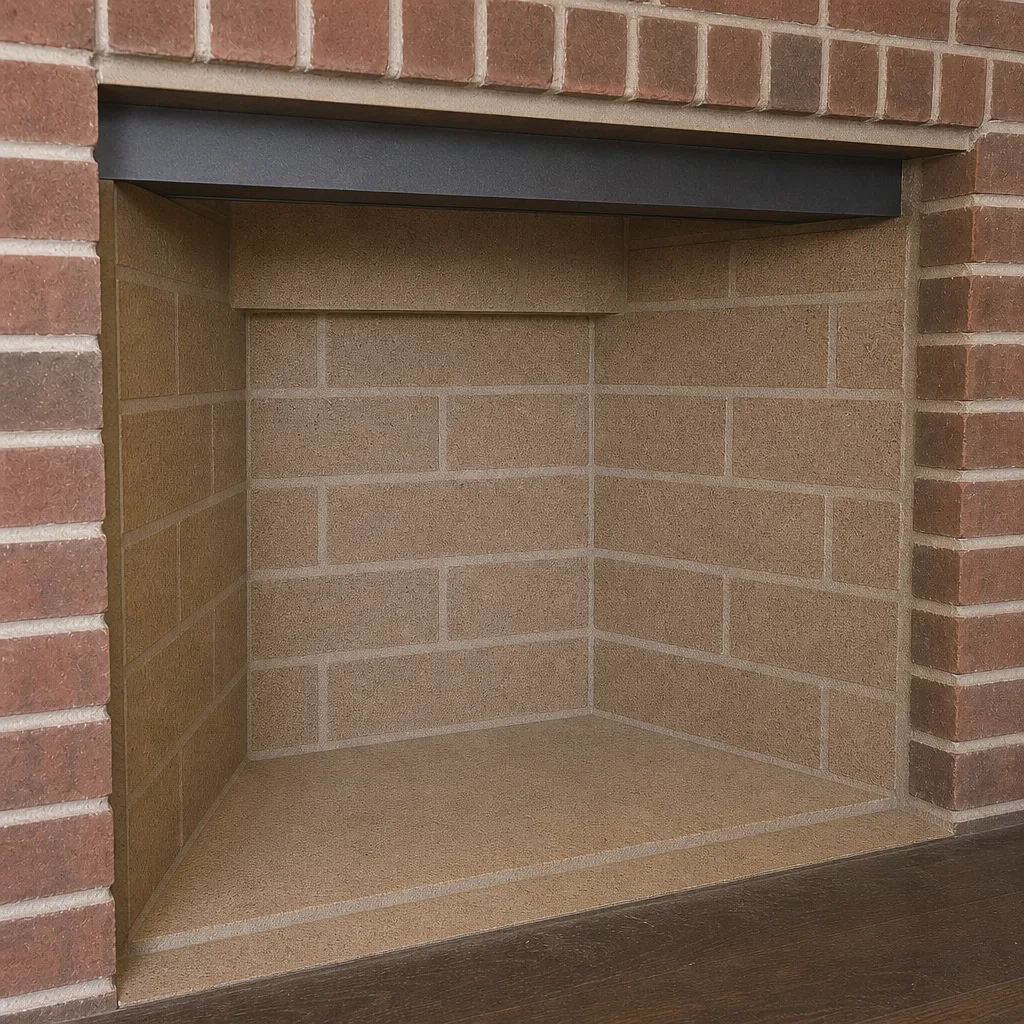
See the difference
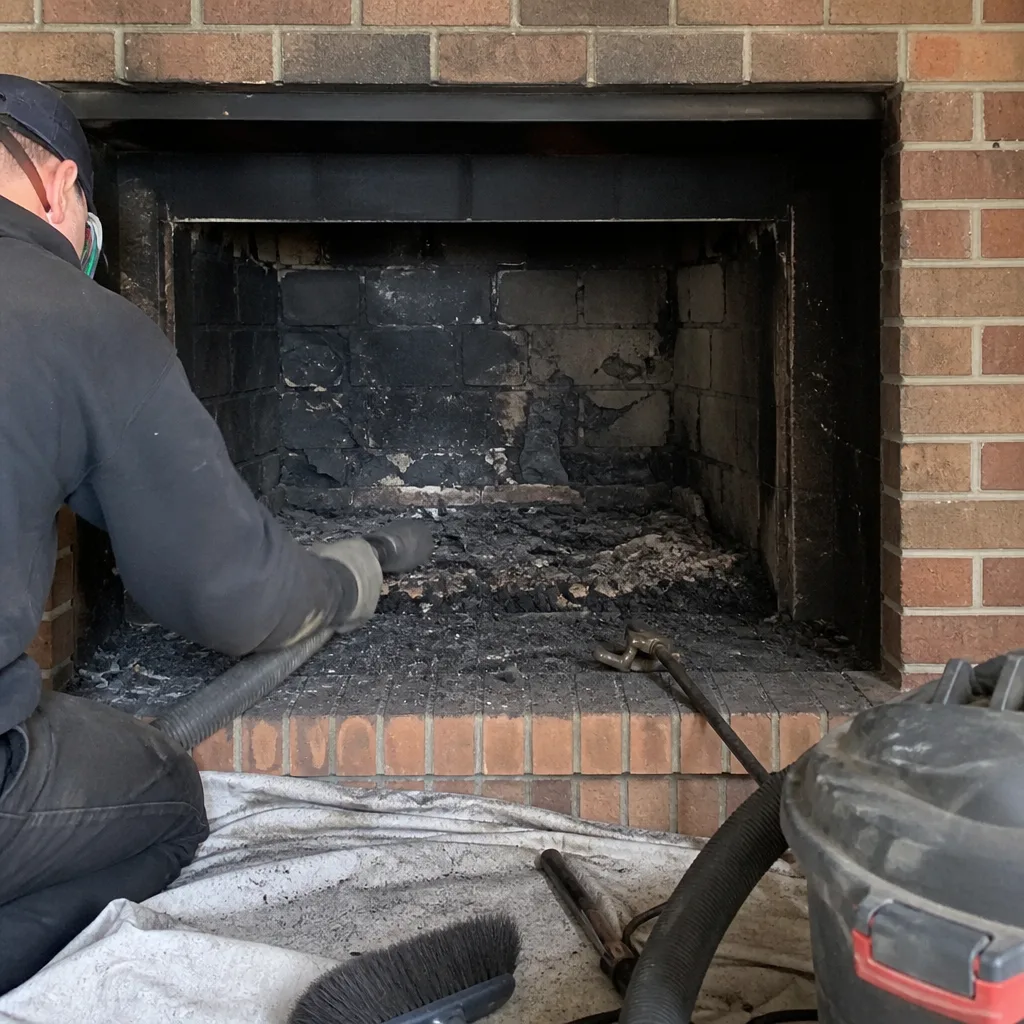 Before
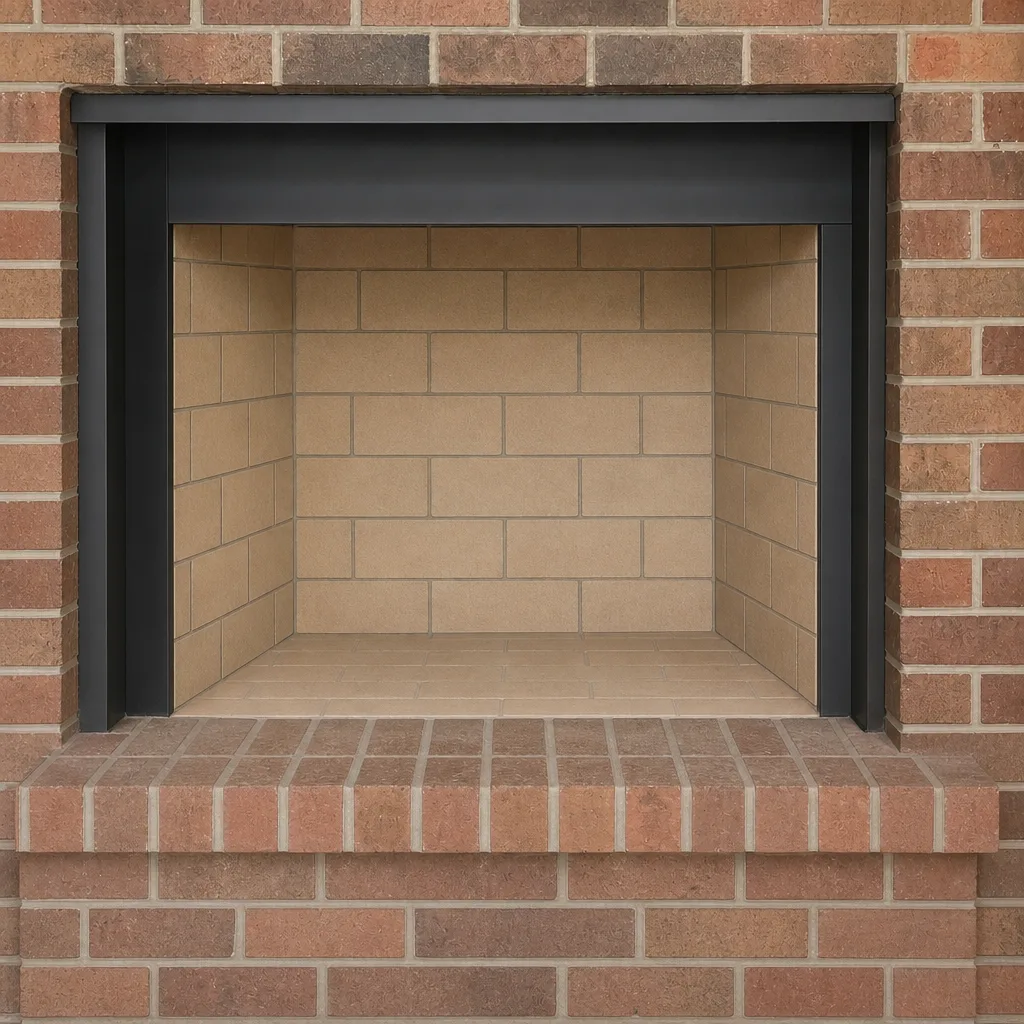 After
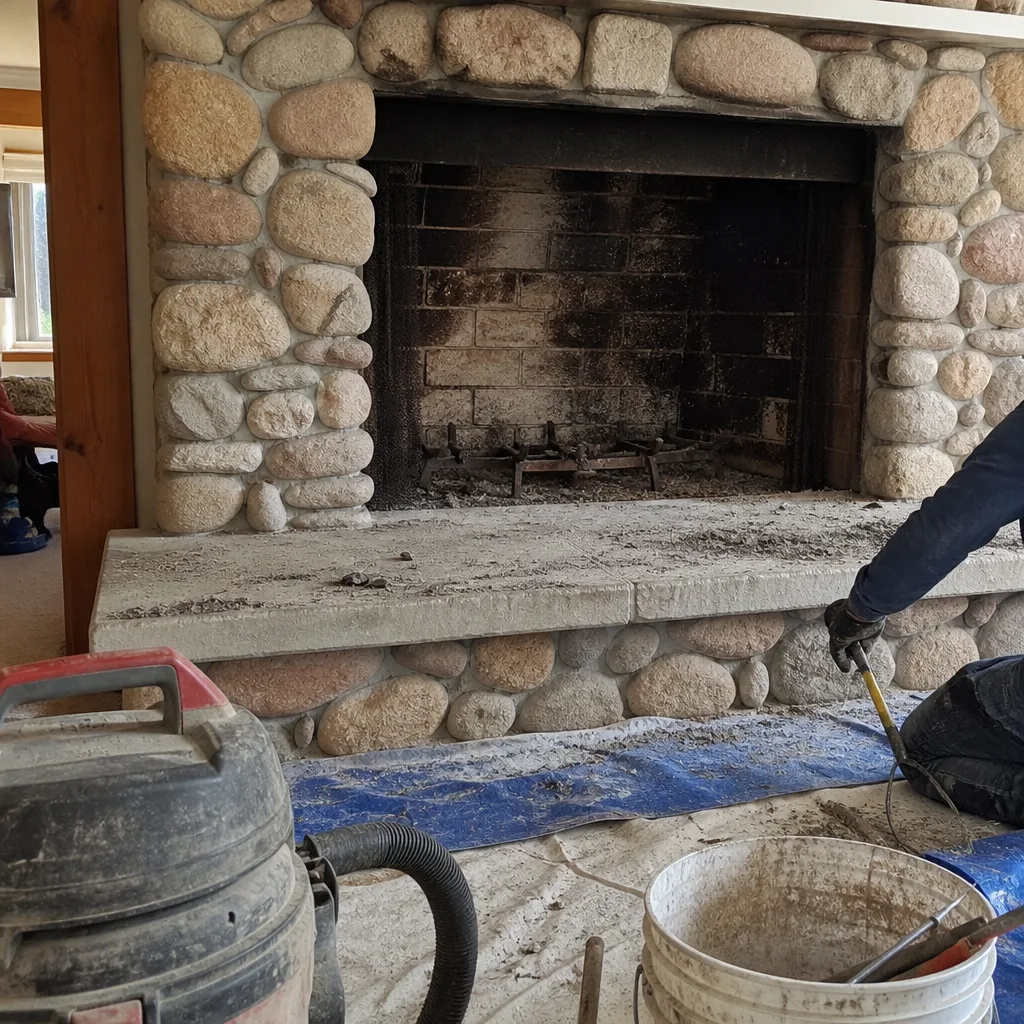 Before
 After
 Before
 After
When to Call a Professional
Call a professional when the creosote grade is heavy or glazed, when you’ve never had the chimney inspected, when you’ve had a chimney fire even if it seemed minor, when you’ve noticed smoke backing into the room, or when you’re buying a home whose chimney has no inspection history. Call also if you see cracked or missing mortar at the crown, a cap that’s come loose, or water staining on the masonry. Those are structural issues a brush alone can’t fix. We handle routine cleaning, inspection, crown and cap work, and liner resurfacing under one scope, and we can work with your insurer on a claim if a repair is involved. Kent Chimney Sweep offers free estimates in Kent. Call (855) 658-3498. We answer 24/7. Fast dispatch from 7am to 7pm.
Frequently Asked Questions
A standard chimney sweep in Kent typically runs about $175 to $295 for a floor-level cleaning of an accessible flue, often with a Level 1 inspection bundled in. The written estimate sets your final price. Call (855) 658-3498 for an exact quote; estimates are free.
Not always, and that’s the most common upsell to watch for. If the flue is still structurally sound, HeatShield resurfacing can repair it without a full replacement. A camera inspection tells you which path the flue actually needs, and you should see the evidence before you decide. Call (855) 658-3498 for an exact quote; estimates are free.
Once a year for a chimney in regular use, and more often if you burn heavily or notice a heavy creosote layer. In Kent’s damp climate, an annual inspection also catches moisture and masonry issues before they grow. Call (855) 658-3498 for an exact quote; estimates are free.
Creosote builds up in layers that get denser and harder to remove, and a heavy glazed buildup raises the potential for a chimney fire. A blocked flue can also let carbon monoxide reach the living space. Call (855) 658-3498 for an exact quote; estimates are free.
A prefab metal flue usually cleans faster and needs specific brush tools, while a masonry chimney takes longer because the sweep watches for spalling tile and mortar damage during the cleaning. The price reflects the actual time on the flue. Call (855) 658-3498 for an exact quote; estimates are free.
We cover sweep, inspection, crown and cap work, fireplace repair, and liner installation as one scope, using professional-grade lines like HeatShield, Gelco, Olympia Chimney, and DuraFlex. That means one diagnosis and one set of materials. Call (855) 658-3498 for an exact quote; estimates are free.
The Bottom Line
Chimney cleaning in Kent in 2026 is a known cost if you ask the right questions. A sweep runs about $175 to $295, a camera-guided Level 2 inspection adds $185 to $385, crown work lands around $245 to $640, and a cap runs roughly $145 to $350. The number that matters isn’t the advertised special. It’s the written estimate with line items, the camera evidence behind every recommendation, and whether the scope covers the whole system, from the flue to the crown. A swept chimney is a starting point, not a finish line, and the crown and cap are what carry it through a wet Kent season. Read the quote, ask what each line is for, and see the proof before you agree.
Kent Chimney Sweep covers the entire system in a single relationship: sweep, inspection, crown and cap work, fireplace repair, and liner installation, using professional-grade brands like Gelco, Olympia Chimney, and HeatShield. Nothing is recommended without camera evidence you can see for yourself, and we’ll tell you plainly when work can safely wait. We tell you what we found before we tell you what it costs, and our technicians have up to 15 years of experience. Call (855) 658-3498 for a free estimate. We answer 24/7. Fast dispatch from 7am to 7pm, Sunday through Friday. Request a Kent Chimney Sweep estimate today.
Written by the team at Kent Chimney Sweep.